by BPD Team | Mar 22, 2021
WHAT IS AN INSTANT GAS HOT WATER SYSTEM?
Instant gas hot water systems, otherwise known as tankless, instantaneous or continuous flow, only heats water as and when you need it. This reduces the amount of water wasted during the lag time for hot water to reach the tap, making them a great option for all kinds of homes and businesses.
HOW DOES AN INSTANT GAS HOT WATER SYSTEM WORK?
Continuous flow hot water systems work by heating water as needed, with either a pilot flame or electronic ignition (which can be placed both internally and externally, but only if sufficient ventilation is an option). Water is heated by a gas burner as it flows through a coiled pipe, which is known as a heat exchanger. When a hot water tap is turned on, the gas burner starts, only heating the amount of water that is required. This offers a range of benefits, as it does not continuously keep heating a full tank of stored water. This means that there is no heat loss from a tank, resulting in both energy and cost savings.
To ensure the water is heated correctly, the pace of the water is slowed down as it flows through the heat exchanger. This means that instant gas hot water systems supply hot water at a lower pressure than storage systems.
Instant gas hot water systems typically deliver hot water at flow rates per minute of between 10 litres and 30 litres, depending on the model.
Instantaneous Gas Hot Water System*
WHAT ARE THE INSTALLATION REQUIREMENTS FOR AN INSTANT GAS HWS?
In order for you to have an instant gas hot water system, you must have a gas connection – whether this is installed already or requires installation. You must also have an adequate place to put the hot water system – whether indoors with good ventilation via a flue or outdoors. If you are unsure, give your local hot water specialist a call (or call us!).
WHAT ARE THE PROS AND CONS OF AN INSTANT GAS HOT WATER SYSTEM?
Pros
- Highly efficient and energy-saving.
- Reduce wasted water.
- Small, so can fit almost anywhere.
- Reduce lag time for hot water to reach the tap.
- Can be installed almost anywhere – indoors and outdoors.
- Both flued and unflued options.
- Can be used as an energy-efficient backup booster for solar hot water systems.
- In theory, never run out of hot water again (if the system is the correct size).
Cons
- Expensive upfront costs, especially if you have to have a gas connection installed.
- If gas isn’t available in your area, this isn’t an option – unless you are looking to use LPG.
- LPG can be expensive.
- A continuous flow of gas is required to deliver continuous hot water, therefore you must ensure you have appropriately sized gas pipes and gas meters to service the system.
WHO DOES AN INSTANT GAS HOT WATER SYSTEM SUIT?
An instant gas hot water system is a great option for a range of homes of up to four people, as long as they are connected to gas (or are prepared to pay higher costs for LPG). Installing multiple units may be needed for large homes or buildings.
If you would like further information in relation to installing a gas hot water system in your home or workplace, give Brisbane Plumbing and Drainage a call today on 1300 616 203 and we can assist.
NEED SOME MORE HELP?
Learn more about how hot water systems work here, or head to one of our specific information pages below:
Resources:
*Photo courtesy of BUILD.

by BPD Team | Mar 22, 2021
WHAT IS A HEAT PUMP HOT WATER SYSTEM?
Heat pump water heaters are super energy-efficient, using only around 30% of the energy utilised by traditional electric storage systems – even though they run on electricity. They utilise renewable energy without needing extra roof panels like solar, by absorbing the heat in the surrounding air to heat water.
HOW DOES A HEAT PUMP HOT WATER SYSTEM WORK?
Heat pump systems are also referred to as ‘air-source heat pumps’ and work like a fridge in reverse – they grab the heat from outside the storage tank and transfer it to the water inside through a heat exchange system.
In essence, heat pump HWSs take ambient heat from the air around the system and transfer it to a super cold liquid refrigerant, which travels around in copper piping. The liquid is then transferred into a compressor, where it is compressed and as the pressure rises, the temperature increases. Following on from this, the liquid then travels to the condenser, where the heat from the refrigerant is moved to the water in the storage tank. Finally, the expansion valve reduces the pressure and the cycle commences again.

Heat Pump Hot Water System*
WHAT ARE THE INSTALLATION REQUIREMENTS FOR A HEAT PUMP HOT WATER SYSTEM?
Heat pump hot water systems are really easy to install, with similar installation requirements to an electric storage hot water system. As long as you have an appropriate place to put the water heater, and you have electricity, then you can have a heat pump. This does not mean however that heat pump HWS is for you – always check you have the correct weather!
WHAT ARE THE PROS AND CONS OF A HEAT PUMP HWS?
Pros
- Environmentally-friendly.
- High energy efficiency.
- Lower greenhouse gas emissions than traditional systems.
- Easy to install and connect.
- No need to solar panels.
- Long-term money savings.
Cons
- High upfront costs.
- Not ideal for really cold climates.
- Installation location needs to consider the noise – similar to that of an air conditioner
- Unreliable if not installed properly.
WHO DOES A HEAT PUMP HOT WATER SYSTEM SUIT?

Heat Pump Hot Water System efficiency in Australia*
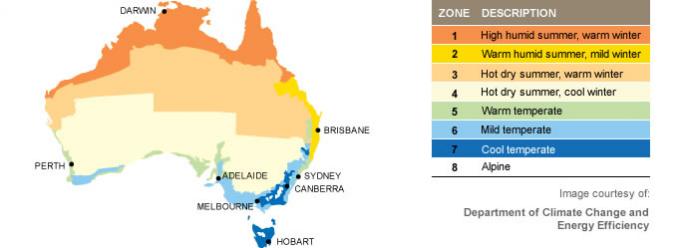
Because of the way the heat is absorbed from the outside air through the heat pump system process, they generally work best where the ambient temperature is higher than around 19ºC consistently. While they will work in cooler climates, the compressors will need to work harder and may not last as long, adding to costs.
Heat pumps are super energy efficient, using around 1/3 the amount of electricity of a standard electric storage tank, however, this has to be checked against whether it is being compared to a storage tank system that worked on off-peak electricity rates. Heat pumps operate as and when they are needed, meaning they will often run during peak electricity tariff times if required. The additional costs of electricity at peak times may well offset any savings made by using less electricity overall. You and your hot water specialist must carefully consider the running costs.
Heat pump systems come into their own in areas where solar collectors are not a desirable or viable option, and where gas is not available. – BUILD
If you would like further information in relation to installing a heat pump hot water system in your home or workplace, give Brisbane Plumbing and Drainage a call today on 1300 616 203 and we can assist.
NEED SOME MORE HELP?
Learn more about how hot water systems work here, or head to one of our specific information pages below:
Resources:
*Photo courtesy of Energy Rating.
by BPD Team | Mar 22, 2021
5 COMMON ELECTRIC HOT WATER ISSUES
Is your electric hot water system not working properly? The hot water system can develop faults over time, the most common issues are related to leaks, odour, noise, or water temperature. In this article, we will discuss the most common electric hot water system faults. Important note – all repairs to hot water systems must be carried out by a licenced plumber or licenced hot water specialist.

Electric hot water system
AGE-RELATED ELECTRIC HOT WATER PROBLEMS
The electric hot water systems can last up to 15 years. However, if your appliance is over 10 years old (or approaching this age), it could be breaking down frequently. The cost of ongoing repairs and also the increase in your energy bills due to its inefficient operation could mean it’s more cost-effective to consider replacing the system. It is definitely cheaper than getting it repaired again and again.
NO HOT WATER?
Lack of hot water could be due to many reasons:
- Blown fuse or frequently tripping the safety switch
- A leak in the hot water tank
- Damaged heating elements and coils
Blown Fuse or Frequently Tripping Safety Switch – Lack of hot water can arise from a blown fuse or tripped circuit breaker. You can check the switchboard to see if the hot water circuit breaker or the safety switch fitted to the hot water circuit is on or off.
- If the safety switch is on, the problem could be due to a blown fuse.
- If the safety switch keeps tripping frequently, you need to get it assessed by a licensed electrician. Electricity and water can be extremely hazardous to your safety, so do not attempt to repair them yourself. Contact a professional plumber or electricians to take a look at it.
A leak in the hot water tank – Leak could arise due to faulty pipes or broken pressure/temperature release valves. Usually, these valves release water to release pressure if the water gets too hot. If there is a small amount of water, it is normal. However, if there’s a puddle of water, you would need to get it checked by your local plumber. Don’t forget to turn off the hot water system at the switchboard as water and electricity can be hazardous. Call your hot water specialist for specific instructions.
Damaged heating elements and coils – The coils and heating elements heat up the cold water inside the unit. If they are broken or worn out, the water won’t be heated and you will get cold water.
YOUR WATER IS TOO HOT OR COLD
This problem could arise because of a faulty thermostat. Ask your plumber to check the temperature of your thermostat and adjust it, if needed.
YOUR ELECTRIC STORAGE HOT WATER SYSTEM IS NOISY
If your storage electric hot water system is making odd sounds that resemble boiling, popping or hissing noises, it could indicate overheating in the system or the accumulation of sediment in the tank. Get the problem checked with your local plumber.
THE HOT WATER SMELLS LIKE ROTTEN EGGS OR IS DIRTY
If your hot water is dirty or smelly, the culprit could be rust in the tank or a decaying anode rod. To resolve this problem, you need to speak to your plumber or hot water specialists. Temporary solutions can resolve the problem but for a long term solution, you might need to replace the anode rods or have the tank checked for rust. Contact your local plumber for electric hot water system repairs.
CONTACT RELIABLE AND EXPERIENCED PLUMBERS FOR HOT WATER SYSTEM REPAIRS
Electric hot water systems can develop a range of faults over time. If you are experiencing ongoing issues, contact Brisbane Plumbing and Drainage at 1300 616 203 for a no-obligation quote. Our experienced plumbers can install, repair and replace your electric hot water system.
by BPD Team | Mar 22, 2021
DOES YOUR HOT WATER SYSTEM NEED TO BE REPLACED?
Hot water systems are generally very reliable and last a long time. However, like all other appliances, they can break down, and do eventually come to the end of their useful life. So how do you know when it’s time to replace the hot water system? Here we will discuss the 7 common signs that can predict breakdown in your hot water system.
1. Your hot water system is old
Do you know how old your hot water system is? The lifespan of storage electric hot water systems is usually 10-12 years but it can depend on how well you have maintained the system and water quality in your area. Hard water deteriorates the internal components of the system and reduces the lifespan. If it is getting closer to the 10-12 years mark, it might be the perfect time to get it replaced.
How to check the age of your hot water system?
Check the manufacturer’s label on your hot water system. The label would include the manufacturing date and serial number. If you can’t see the label, contact a professional plumber who can recommend the best solution to you.
2. It makes strange noises
When the hot water system is noisy, i.e, makes boiling, popping or hissing noises, it could indicate overheating in the tank or the buildup of sediment. Popping or hissing noises are good indicators of sediment accumulation. In this case, you would need to flush the tank and get it cleaned.
If it makes a boiling noise, it could indicate overheating of the water and high pressure in the tank. It is best to contact a hot water system technician for assistance.
3. Keeps breaking down
If it keeps breaking down and you are getting it repaired constantly, consider replacing your system. Research your options before you buy a hot water system and make an informed decision.
4. Can’t keep up with your demand
If you aren’t getting enough hot water, your demand might be higher than the capability of the water heater. The number of people living in your house might have increased creating additional demand. Replace your hot water system with a larger system equipped to handle the demands of your household.
5. Water is dirty or smelly
If your hot water is dirty, it could be due to corrosion in the tank or pipes. If it is due to corroded pipes, replacing the pipes could fix the problem. However, if it is due to corrosion in the tank, it would need to be addressed immediately. Smelly water is caused by degrading anode rods. Depending on the extent of the problem, the anode rods could be replaced.
The odour can be treated by flushing the water and treating it with hydrogen peroxide. However, it is a short-term solution and you should consider replacing the system.
6. Your hot water system is leaking
A leaking hot water system is difficult to fix. Leaks can cause corrosion and build-up of mould. They can also damage the floors, walls, and fixtures around the unit. The leaks could arise due to faulty pipes, pressure/temperature release valves, or a fault or damage to the storage tank. Get the leaks checked by your local plumber.
7. Your power bills are too high
If your power bills are too high, the decreased efficiency of your hot water system might be the culprit. The accumulation of sediments or leakages in the system can make the system work harder to heat water. It is a sure shot sign that replacement is crucial.
HOT WATER SYSTEMS REPLACEMENTS BRISBANE
If your hot water system is old or keeps demanding repairs, get it replaced immediately. Before you get it replaced, ensure you decide on the type of hot water system and its size. Call your local hot water system experts at 1300 616 203. Brisbane Plumbing and Drainage offers hot water system installation, repairs, and maintenance services across Brisbane.
by BPD Team | Mar 19, 2021
The ultimate in modern convenience, Zip hot water taps and water heating systems provide instant boiling, chilled, or sparkling water at your fingertips. The Brisbane Plumbing and Drainage team can take care of the installation of the full Zip range throughout Brisbane, Logan, and the Redland areas. Book today.
Zip, a proudly Australian business, has been producing instant boiling and hot water solutions for homes and businesses around the country since 1947. One of the original boiling water systems used widely through canteens, restaurants, cafes since the 1960s, Zip continues to develop and innovate to this day.

Thanks to the versatile design of the Zip tap, installation options extend from apartments to large homes, single offices to large multi-storey buildings. Zip taps are a functional addition to any kitchen with a great many benefits which include:
- The Zip advanced filtration systems provide instant fresh filtered hot, chilled, or sparkling water.
- Zip taps make it easier than ever to drink more water and stay hydrated every day.
- The tap effectively removes harmful microplastics from your drinking water.
- Filters also get rid of nasties such as chlorine, lead, rust, asbestos fibres, sediment, and parasites out of the water.
- The units boast extremely energy-efficient heating and cooling systems.
- Instant boiling water means never having to waste time waiting for the kettle to boil again.

Zip Hydrotap
For complete Zip hot water installation throughout Brisbane, Logan, and Redlands contact our team at 1300 616 203 or complete our quick online hot water service request form today.