by BPD Team | May 25, 2026
Have you noticed tiny, fuzzy, moth-like insects hovering around your bathroom sink, kitchen drain, or shower? If so, you are likely dealing with an infestation of Psychodidae, commonly known as drain flies, sewer flies, or filter flies.
While they don’t bite or sting, these persistent little pests lay their eggs in the slimy organic matter that builds up inside drains. If you do find yourself in this situation, you need to act fast. Leaving them alone can lead to a massive population boom and may point to an underlying plumbing issue.
Before tackling the problem, you need to make sure you are dealing with the right pest.
Check for these characteristics:
- Does it have six legs, a pair of wings, and antennae?
- Is it about 1–5mm long?
- Is it grey or tan-coloured, with lighter wings?
- Is the body covered in fuzzy, moth-like hairs?
- When not flying, do the wings fold flat over the body?
- When crushed, are you left with a powdery, white smudge?
If this sounds like the culprit, you are dealing with drain flies. While they aren’t dangerous themselves, the bacteria, microorganisms, and other nasties they carry around from decomposing waste can be seriously unhygienic for your family. Besides this, ignoring them may mean you’ll need to call on blocked drain cleaning services in the future. Why? Because they feed on the very gunk, grease, and hair that is threatening to choke your pipes.
According to public health data and environmental guidelines on water quality from health.gov.au, maintaining sanitary, free-flowing wastewater systems is essential to preventing pest-borne bacteria from contaminating your living spaces. Knowing how to get rid of drain flies as quickly and thoroughly as possible is therefore crucial.
Here is how to go about getting rid of drain flies:
Resume activities
Drain flies can so often be spotted in and around your sinks, showers, and other drains and plumbing outlets after you’ve been away on holiday, or in guest rooms and rarely used ensuites. The reason? They prefer stagnant water and untouched drains much more than active ones. If the infestation is incredibly minor, the drain flies are often moved on naturally once you simply start using those taps and showers consistently again, flushing out their resting spots.
Identify the source
If the drain flies aren’t going away with everyday use, it’s time to investigate deeper. That’s because they may actually be attracted by something else, like rotting fruit elsewhere around your property, so clean up any nearby food sources first.
If the source is definitely a drain (often the case with a slow-draining or blocked sink), consider covering it up to temporarily confirm the incursion. If you place a small cup or plastic lid lightly coated in vegetable oil or petroleum jelly over the drain overnight, the emerging drain flies will stick to it, confirming exactly which pipe they are calling home.
Mix up a brew
For those drain flies that are already living it up inside your home, grab a bowl and concoct a simple, non-toxic DIY trap. Mix together a brew of:
1 part sugar
1 part water
1 part white vinegar
A few drops of liquid dish detergent
Leave the bowl right next to the affected drain overnight. The sweet scent of the vinegar and sugar attracts the flies, while the dish soap breaks the surface tension of the liquid, causing them to sink and drown.
Boil the kettle
Drowning the sewer flies in a torrent of boiling hot water is also an effective way of reminding them that they’re not welcome at your place. If you carefully pour a kettle or two of boiling water down the drain once a day for a few consecutive days, the heat will destroy the organic biofilm where they lay their eggs. This simple trick also helps to flush out minor build-ups of oil, grease, and muck before they turn into major blockages.
Note: In 2026, professional drain care has moved away from harsh, corrosive chemical drain cleaners, which damage modern PVC pipes and harm the environment. Instead, if boiling water doesn’t work, consider using a natural microbial or enzyme-based bio-cleanser that safely eats away the organic slime without corroding your plumbing layout.
Do you have a leak?
Often, the thing that keeps drawing drain flies back to a property is a small, hidden pipe leak behind walls or under floors. The constant moisture creates the perfect structural breeding ground, allowing them to follow the plumbing route straight up to your fixtures.
In this case, a professional water leak detection and burst pipe inspection is the best course of action. Sometimes, a phenomenon like the presence of drain flies is actually the symptom of a deeper plumbing problem that has otherwise escaped your attention.
Brisbane’s drain experts can fix your drain fly problem
If you’re struggling with a persistent drain fly infestation and suspect an underlying blockage or structural pipe leak could be the cause, it’s time to get some experienced, trained, and fully licensed Brisbane plumbers on the case.
Thinking of getting professional help to clear your pipes for good? Speak to the experts at Brisbane Plumbing & Drainage. We are the masters of all issues relating to your drains, pipes, and everyday plumbing systems, backed by the very best people and the latest high-tech diagnostic gear.
Give your drain fly problem the flick by calling us on 1300 616 203 or getting with our friendly team to book your service today!
by BPD Team | May 20, 2026
Hot Water Systems Australia 2026: Types, Costs, Installation
There is no single best hot water system for every Australian home in 2026. Your ideal choice depends on household size, budget, and energy source.
We install every system type, but we start with a practical plan: match recovery rate and storage to your peak demand, then model lifetime costs with available rebates. Our licensed team designs and installs, with fixed upfront pricing, flexible finance and 24/7 emergency support. Below, we compare types, costs, sizing, efficiency, and Brisbane-specific tips so you can choose with confidence.
Key Takeaways:
What Types of Hot Water Systems are Available?
Australia’s market clusters into four categories:
- Electric: Electric systems remain common, serving millions of households across Australia. These systems are simple and reliable, with options for stainless steel tanks which cost more but tend to have a longer lifespan.
- Gas: Gas continuous flow units excel at fast recovery and high simultaneous demand. Typical delivery is up to about 4 litres per minute.
- Solar: Solar hot water systems, in the right climate, can meet up to 90% of household hot water needs.
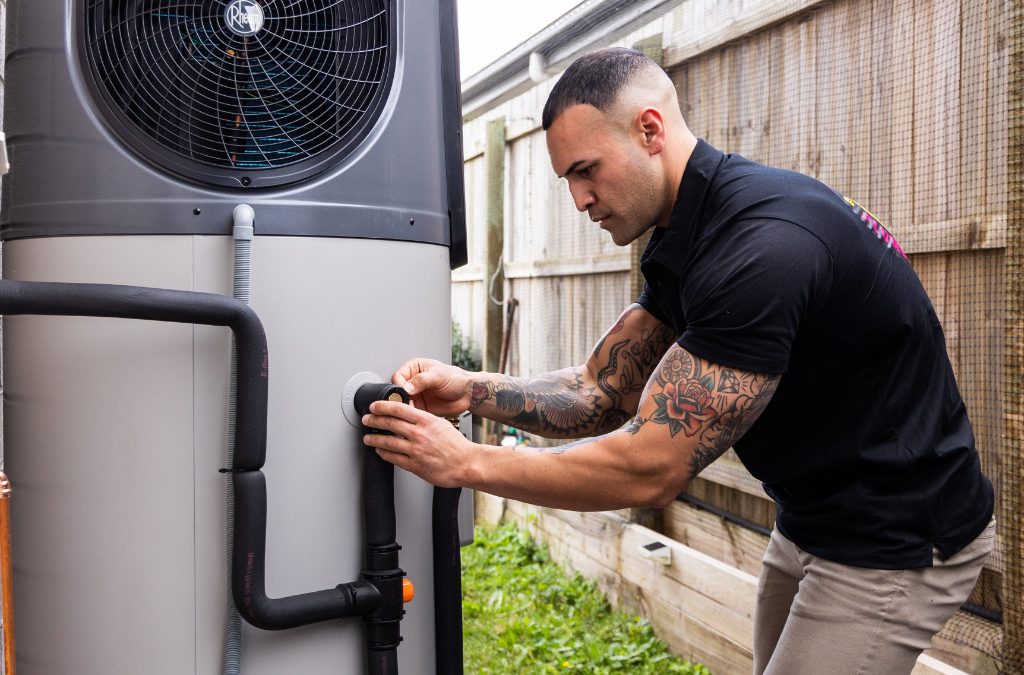
- Heat pump: Heat pumps lead for efficiency because they move heat rather than make it, using 60%–75% less electricity than standard electric heaters.
System Costs and Running Expenses in 2026
Look beyond sticker price and compare lifetime costs. A cheaper unit price might lead to higher long-term running costs. For example, electric storage systems are often the cheapest to buy, yet they typically have the highest running costs. Whereas, heat pumps generally cost more upfront, and many households pay in the $3,500-$7,000 range depending on model and complexity, yet they commonly run at $200-$350 per year. Federal Small‑scale Technology Certificates often reduce heat pump and solar prices resulting in a better long-term cost.
When you compare an electric tank to a heat pump, the annual savings can approach several hundred dollars, so many homes recoup the premium in roughly three years using typical prices and bills. Complex installs or relocations can add significant labour for electrical and plumbing adjustments, so factor that into quotes.
Rebates and Value
STCs lower upfront prices for eligible heat pump and solar units by a typical $900-$1,200, which shortens payback periods further. Furthermore, in high‑solar regions, pairing timing controls with storage can shift usage to cheaper or self‑generated energy, improving lifetime value.
Choosing the Right Size and Capacity
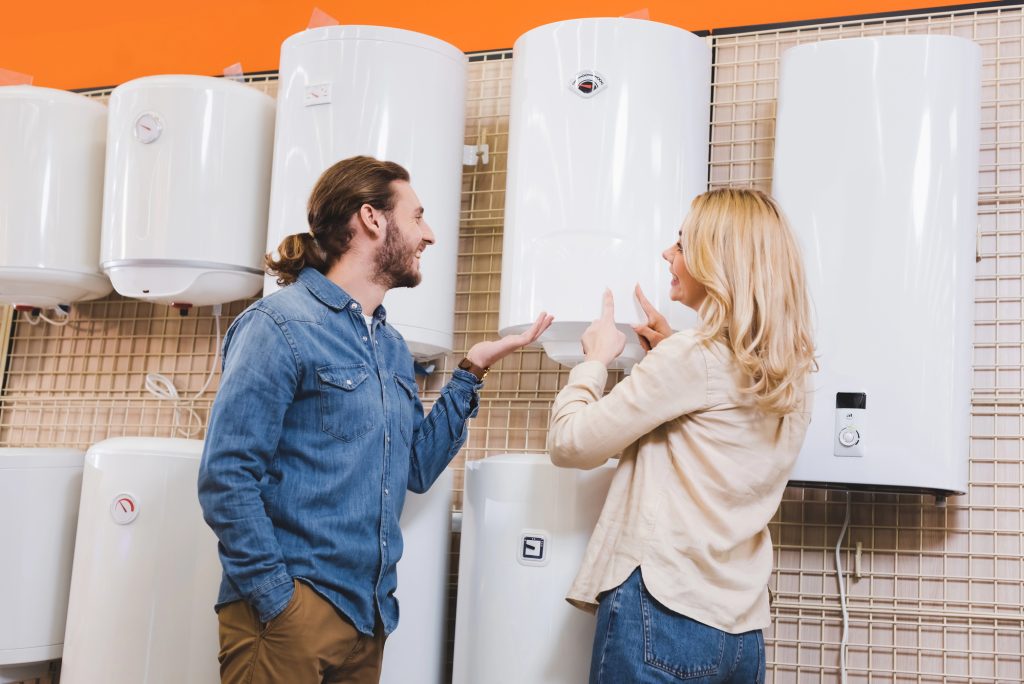
Start with demand. A common planning guide is 50-70 litres of hot water per person per day. Because heat pumps recover hot water slower than gas or electric resistance, storage volume is critical during the morning and evening peaks.
A bath can use around 150–200 litres on its own, which can drain a small tank if other fixtures run at the same time. For heat pumps, many families of four choose about 270–300 litres to create a comfortable buffer during peak demand. Water‑efficient fixtures help too. A 4‑star shower head can reduce water use by around 9L per minute, which eases both water and energy load.
Storage vs instantaneous
Storage tanks shine when you need a reserve for short, intense peaks. Instantaneous systems, especially gas, can be better for long showers or multiple bathrooms running in sequence, but they rely on strong flow and adequate gas supply. Heat pumps benefit from larger storage because their 1-2 L/min effective recovery is slower than gas alternatives.
What are Installation Requirements and Compliance Rules?
Hot water installs combine high voltage electricity, pressurised hot water, and sometimes gas, so DIY is unsafe and unlawful in Australia. Licensed trades must complete the work and commission the system for compliance.
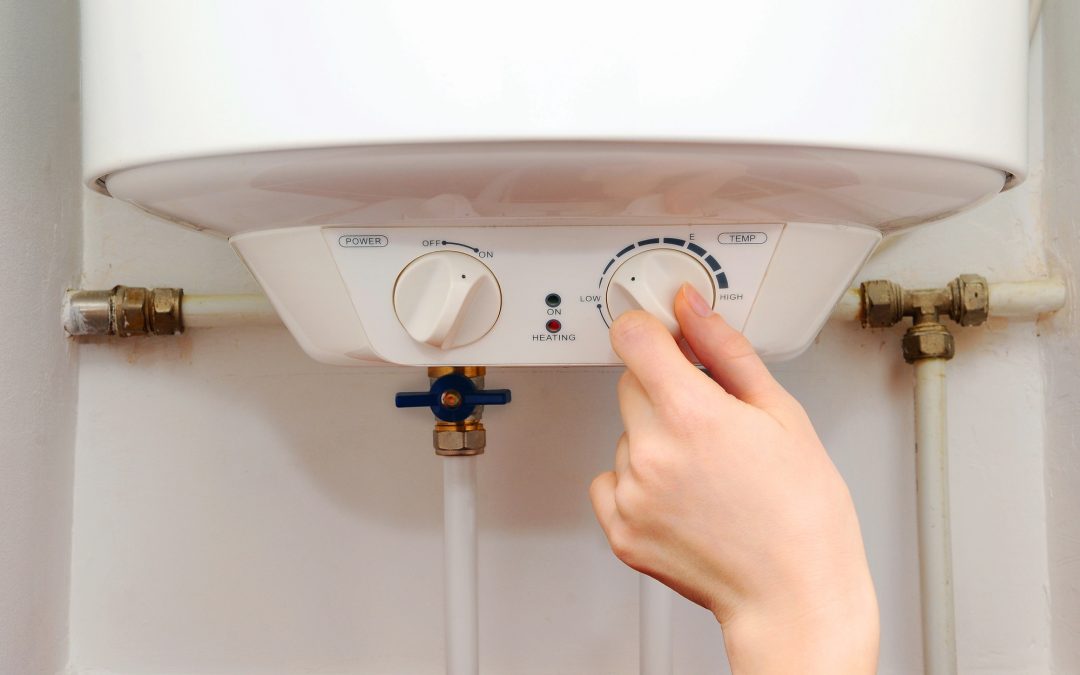
Australian regulations require storage at a minimum of 60°C to prevent Legionella and sets a maximum of 50°C at bathroom outlets to prevent scalding, or 45°C in high‑risk sites. Tempering or Thermostatic Mixing Valves are installed to blend hot and cold water for safe delivery.
Space, Power, and Gas
Site selection balances noise, airflow, condensate drainage for heat pumps, safe flueing for gas, and access for maintenance. Electrical upgrades or gas line changes can add scope and cost, so we confirm capacity and protections before install.
Maintenance and Longevity Considerations
Most storage systems last about 10 to 15 years with proper care. The main threats are corrosion and sediment. Steel tanks rely on a sacrificial anode that attracts corrosive elements, protecting the tank wall. Once consumed, corrosion accelerates.
The single best maintenance task for tank longevity is to inspect and replace the sacrificial anode every 3–5 years where required. Annual flushing helps remove sediment that can blanket electric elements or gas burners and reduce efficiency.
Common Brisbane issues: We often see hard water scaling in Brisbane that shortens the life of heat exchangers and valves. We recommend scheduled inspections to catch anode depletion, valve wear, and scale early.
Brisbane-Specific Considerations
Brisbane’s subtropical climate delivers about 283 sunny days per year, which is excellent for solar‑aligned hot water strategies. A standard electric tank plus a smart solar diverter or timer can be a low‑maintenance way to turn your tank into a thermal battery that soaks up daytime solar.
Heat pumps are not always necessary in Brisbane’s climate. Households with ample solar and simple needs may prefer electric‑plus‑diverter, while larger families or shaded sites may benefit from a high‑efficiency heat pump. Tariffs and council rules vary, so confirm eligibility and off‑peak options with your retailer.
Brisbane Plumbing and Drainage has completed over 100,000 jobs since 2014, and we back installs with fixed upfront pricing, flexible finance, 24/7 emergency service, and a Lifetime Workmanship Guarantee.
Call us on 1300 616 203 or book your hot water service online now.
Conclusion
Heat pumps currently offer the strongest efficiency gains, often using 60%–75% less electricity than electric storage and reaching COPs up to 5.2 in premium models. Yet the best system for you depends on household size, demand peaks, available energy sources, and site constraints. Electric storage remains a solid choice for low upfront budgets, gas excels for high simultaneous demand when a gas supply exists, and solar‑aligned strategies shine in Brisbane’s sunny climate.

by BPD Team | Aug 31, 2025
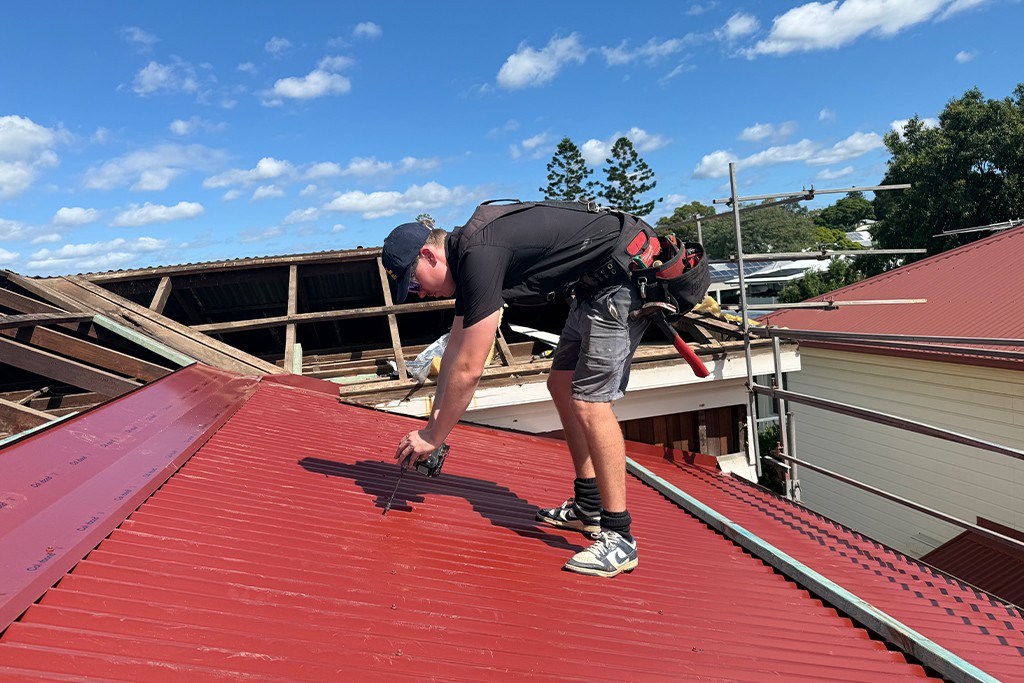
Replacing your roof is one of the biggest investments you can make as a Brisbane homeowner, so it’s worth understanding how the roofing landscape is changing. With climate conditions becoming more extreme and energy prices on the rise, more homeowners are turning to durable, efficient, and sustainable roofing options. Whether you’re planning a roof replacement now or in the near future, staying informed about the latest trends can help you make a smarter, longer-lasting choice.
Below is a simple comparison of popular roof materials used in Brisbane—ranging from affordable Zincalume to premium options like copper.
Roof Replacement Cost, Lifespan & Benefits (Brisbane)
| Roof material |
Estimated cost (per m2) |
Average lifespan |
Key benefits |
| Colorbond / Corrugated steel |
$45 – $100 |
40+ years |
Durable, low maintenance, many colour options, energy-efficient costings |
| Zincalume / aluminium |
$40 – $80 |
30 – 40 years |
Lightweight, rust-resistant, ideal for coastal areas |
| Tile (concrete) |
$40 – $60 |
30 – 50 years |
Classic look, good insulation, heavier so can reduce noise |
| Copper (premium) |
$180 – $400 |
70+ years |
Luxury finish, extremely durable, low maintenance |
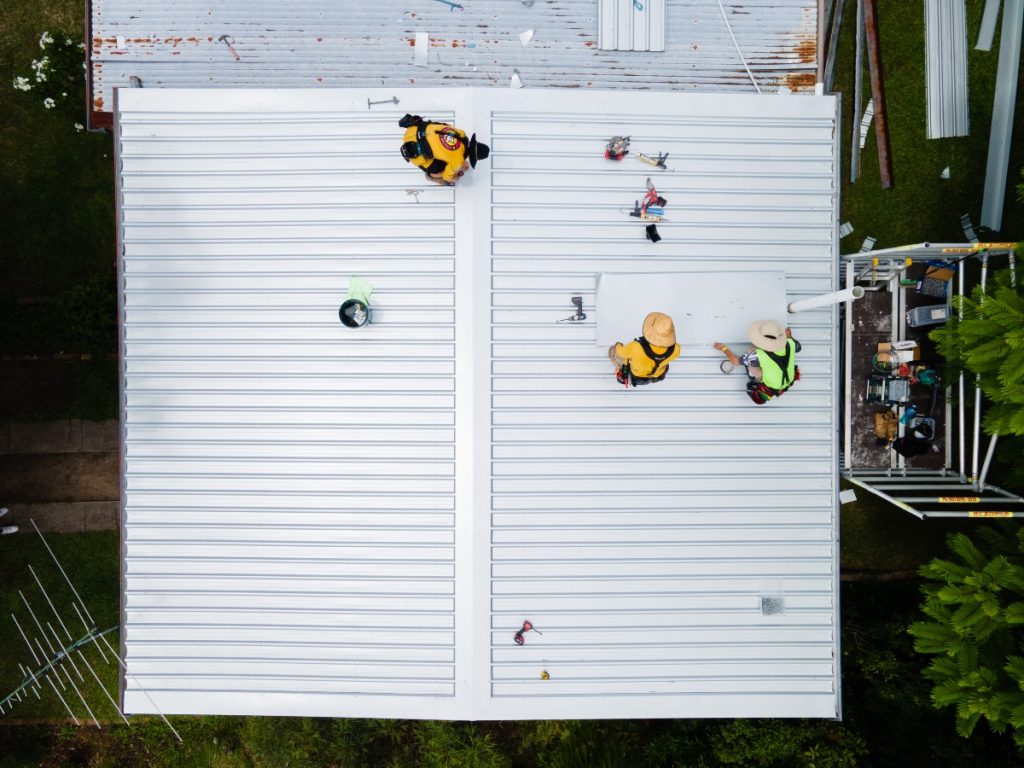
Trend 1: Colorbond Steel is the Top Choice
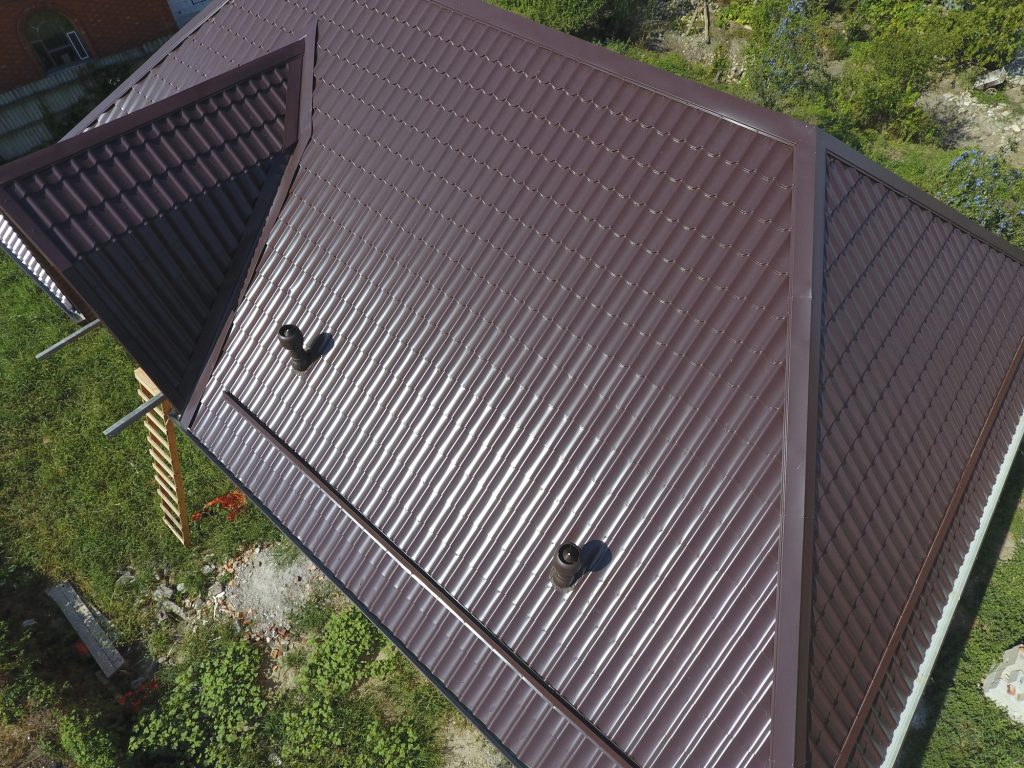
Colorbond steel has become Brisbane’s leading roofing material, and for good reason. Known for its strength, versatility, and low maintenance, Colorbond suits the city’s subtropical climate exceptionally well. It’s resistant to corrosion, holds up against storms, and doesn’t warp under high heat or humidity.
Beyond durability, homeowners are also drawn to Colorbond’s sleek, modern appearance. With a wide range of colours and profiles, it complements both contemporary and traditional home designs. The material is lightweight, making installation faster and less disruptive than traditional tile roofs.
Its thermal efficiency is another key advantage. Many Colorbond products are designed to reflect heat, which can help keep homes cooler in Brisbane’s hot summers and reduce reliance on air conditioning.
Trend 2: Energy-Efficient Roofing
With energy bills continuing to climb, more Brisbane homeowners are prioritising energy-efficient roofing solutions. These materials are designed to reduce heat absorption, improve insulation, and create a more stable indoor temperature throughout the year.
Metal roofing, including Colorbond and Zincalume, performs especially well in this regard. Their reflective surfaces deflect much of the sun’s heat, helping homes stay cooler during summer. Pairing these materials with quality roof insulation and ventilation systems can further improve thermal efficiency and reduce reliance on air conditioning.
Cool roofing technologies, such as reflective coatings and lighter-coloured materials, are also gaining popularity. For homeowners interested in long-term energy savings, these upgrades offer a practical way to cut cooling costs while improving indoor comfort.
Trend 3: Modern Roof Designs
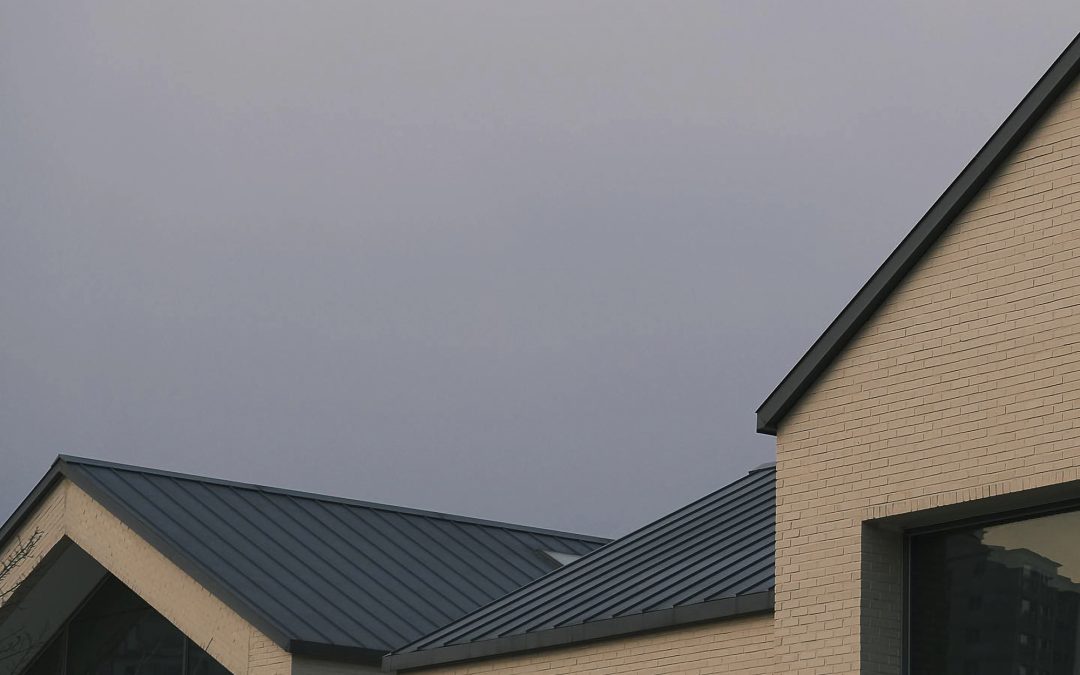
Modern and minimalist roof designs are becoming a standout trend across Brisbane’s residential suburbs. These designs focus on clean lines, flat or low-pitched profiles, and subtle colour palettes – often using monochromatic tones like charcoal, matte black, or soft greys.
Materials such as Colorbond steel and flat concrete tiles are commonly used in these styles, offering a sleek finish without sacrificing durability. The simplicity of modern designs also allows for greater integration with solar panels, skylights, and other contemporary features.
For homeowners looking to update the look of their property, modern roof designs offer a balance between visual appeal and practical function, particularly in new builds or major renovations.
Trend 4: Stronger Materials for Storms
Brisbane’s storm season brings intense rain, high winds, and the occasional hail event – all of which can take a serious toll on older or poorly maintained roofs. In response, more homeowners are replacing aging roofs with stronger, storm-resistant materials that offer better protection.
Steel roofing, particularly Colorbond, is designed to handle severe weather. It resists rust, won’t crack or split under pressure, and is less prone to damage from flying debris compared to traditional tiles. Reinforced fastenings, water-tight sealants, and gutter systems designed for heavy rainfall are also being built into modern roof upgrades.
As weather patterns grow more unpredictable, resilience has become a top priority. A well-installed, storm-ready roof not only protects the home but can also prevent costly water damage and reduce insurance risks.
Trend 5: Eco‑Friendly Choices
Sustainability is more than just a buzzword. It’s shaping how Brisbane homeowners approach home improvements, including roof replacements. Eco-friendly roofing materials and designs are on the rise, driven by an interest in reducing environmental impact and creating more energy-efficient homes.
Options like recyclable metal roofing, solar-ready designs, and green roofs (which incorporate vegetation) are becoming more accessible. Many homeowners are also choosing lighter-coloured or reflective materials to minimise heat absorption and reduce urban heat effects.
Even traditional options like concrete and terracotta tiles can be considered eco-friendly when sourced and installed responsibly. The key is choosing materials with long lifespans, minimal environmental impact, and compatibility with other sustainable upgrades, such as solar panels or rainwater harvesting systems.
Premium materials like copper are also being explored by eco-conscious homeowners. While more expensive upfront, copper is fully recyclable, extremely durable, and requires little to no maintenance over its lifetime—making it a high-end but sustainable option for long-term investment.

How to Know if You Need a Roof Replacement
For many Brisbane homeowners, the signs of roof deterioration aren’t always obvious until serious damage has occurred. Knowing what to look for can help you act early, way before small problems become costly repairs.
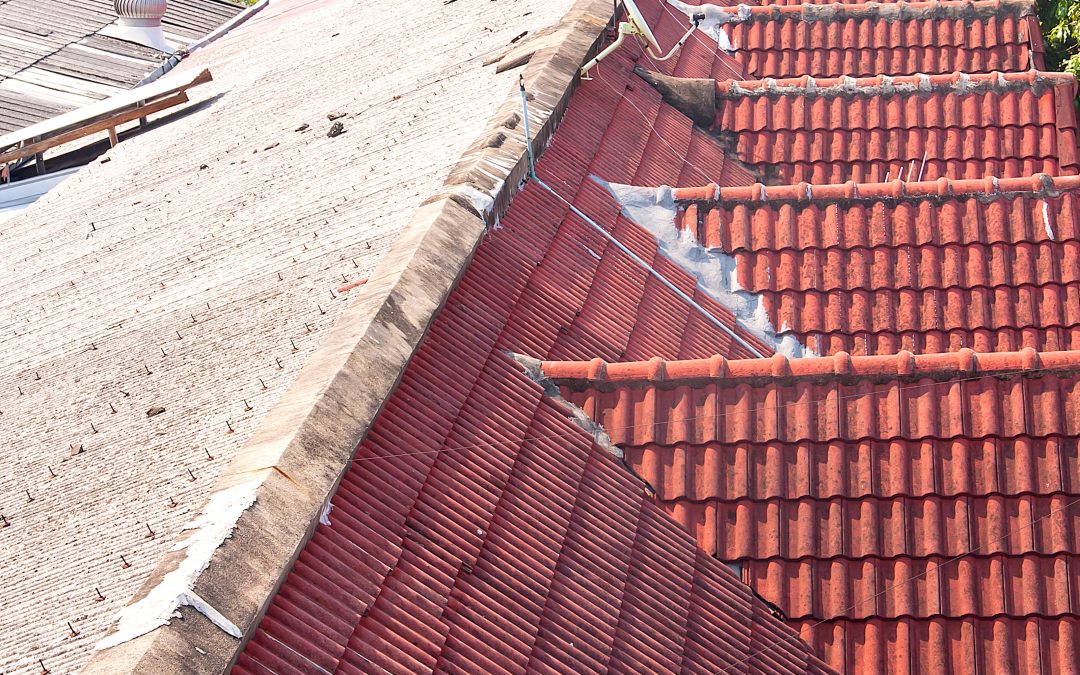
- Visible damage is a clear warning sign. If you notice cracked, missing, or warped tiles, rust patches on metal sheets, or loose fixings, your roof may no longer be weatherproof. Discolouration or streaks on your ceiling or walls may indicate water is seeping through the roof structure.
- Persistent leaks, even after basic repairs, often point to more significant underlying issues. While minor leaks can sometimes be patched, repeated problems suggest it might be time to consider a full replacement, particularly if the roof is over 20 years old.
- Sagging rooflines or structural movement may indicate that the underlying support has been compromised. This is especially common in older properties where roofing timbers have been exposed to long-term moisture or termite damage.
- Rising energy bills can also be a clue. If your roof is poorly insulated or damaged, it may be allowing excess heat into your home during summer or letting warmth escape during winter. A new, energy-efficient roof can restore thermal performance and lower ongoing costs.
Finally, consider the roof’s age and material. Brisbane’s subtropical climate, with intense sun, humidity, and summer storms, takes a toll on roofing materials. If your roof is reaching the end of its expected lifespan or has undergone frequent repairs, a replacement may be the safer, longer-term solution.
Talk to a Local Expert
With roofing trends shifting toward strength, efficiency, and sustainability, now is a good time to consider whether your current roof still meets the demands of Brisbane’s climate. While this guide covers the key trends and warning signs, every home is different.
If you’re thinking about a roof replacement in Brisbane, speaking with a local expert is the best place to start. A qualified professional can assess your roof’s condition, explain your options, and recommend the most suitable materials for your property and budget. Whether you’re exploring Colorbond steel, energy-saving upgrades, or storm-resistant designs, the right guidance can help you move forward with clarity and confidence.
by BPD Team | Jul 29, 2025
Wondering how much it costs to replace your roof with Colorbond in Brisbane? You’re not alone.
With so many figures online, it can be difficult to work out what’s accurate and what actually applies to your home. Some quote the price per square metre, others break it down by sheet type, but very few explain what’s included.
This guide gives a straightforward breakdown of Colorbond roof replacement costs in Brisbane. You’ll find a clear pricing table, the factors that affect the final price, and what to expect if you’re planning a project and want to understand your potential Colorbond roof replacement cost.
Average Cost of Colorbond Roof Replacement in Brisbane
The total cost to replace a roof with Colorbond in Brisbane typically ranges between $9,000 and $30,000, depending on the size of the roof, choice of materials, and how complex the job is.
Here’s a simple guide to help you estimate what your replacement might cost:
| Roof Size |
Standard Colorbond |
Double-Sided Colorbond |
Colorbond Ultra |
Small
(100–150 m²) |
$9,000 – $13,000 |
$10,000 – $14,500 |
$13,000 – $18,000 |
Medium
(150–200 m²) |
$13,000 – $18,000 |
$14,500 – $20,000 |
$18,000 – $23,000 |
Large
(200–300 m²) |
$18,000 – $26,000 |
$20,000 – $28,000 |
$23,000 – $30,000 |
Prices above include both materials and labour but exclude additional upgrades such as insulation, skylights, or guttering.
This table provides a realistic starting point, but actual quotes will vary based on roof design, access, and local labour rates. The rest of this article explains these factors in more detail so you can better understand where the costs come from and how to plan your project.
Factors That Affect Colorbond Roof Replacement Cost
Not every roof is the same, and neither is the price to replace one. Several key factors will influence how much you pay for a Colorbond roof in Brisbane.
Roof size and pitch
The bigger the roof, the more materials and labour are required. A steeper pitch also means more time and safety equipment, which can increase the cost. Flat or low-pitched roofs are usually quicker and cheaper to work on.
Type and colour of Colorbond sheets
Standard corrugated Colorbond is the most affordable option. Double-sided and Colorbond Ultra cost more but offer added protection, especially in coastal areas. Some colours may also carry a higher price, particularly from the premium or matt ranges.
Accessibility of your property
If your roof is difficult to reach, such as on a two-storey home with limited side access, contractors may need extra equipment or scaffolding. This adds to the labour and setup time, increasing the overall quote.
Removal and disposal of the old roof
Taking off old tiles or metal sheets takes time and care, especially if the roof contains asbestos. Disposal fees and skip bin hire will also be factored into the price. Replacements always cost more than installing on a new build for this reason.
Additional upgrades
Many homeowners choose to add extras during a roof replacement. This might include insulation under the sheets, new guttering or downpipes, skylights, or improved ventilation. Each upgrade adds to the cost but can improve comfort and energy efficiency long term.
Labour costs in Brisbane
Brisbane’s roofing labour rates are generally lower than in Sydney or Melbourne, but still vary depending on the contractor’s experience and workload. Expect to pay between $40 and $60 per square metre for installation, or $50 to $80 per hour for complex work.
Benefits of Investing in a Colorbond Roof
Choosing Colorbond for your roof replacement isn’t just about appearance. It’s a practical decision that offers several long-term benefits, especially in Brisbane’s climate.
Durability in Brisbane’s storms and heat
Colorbond steel is made to handle extreme conditions. It resists cracking, peeling and warping, even under intense summer heat or heavy rainfall. That makes it a strong choice for homes exposed to Queensland’s changing weather.
Energy efficiency with reflective technology
Lighter shades in the Colorbond range reflect more sunlight and absorb less heat. This helps keep your home cooler and can reduce the need for air conditioning during summer. Many roofs also include Thermatech® technology to improve thermal performance.
Low maintenance and corrosion resistance
Colorbond is easy to look after. It doesn’t need regular sealing or painting, and occasional rinsing with clean water is usually enough. The protective coatings also help guard against rust, making it suitable for homes in coastal areas.
Modern aesthetic with a range of colours
With over 20 colours to choose from, including classic and contemporary tones, Colorbond suits both traditional and modern homes. It also comes in different profiles to match the style of your home and neighbourhood.
Long-term value and peace of mind
A Colorbond roof is built to last for decades. With proper installation and minimal maintenance, it can remain in good condition for 50 years or more. That makes it a worthwhile investment for homeowners planning to stay in their home long term or boost resale value.
What to Expect During Installation
If you’ve never replaced a roof before, the process can seem a bit daunting. Here’s a simple breakdown of what to expect when having a Colorbond roof installed in Brisbane.
- Roof inspection and quote
A qualified roofing contractor will visit your property to assess the existing roof. They’ll measure the area, check the condition of the frame, and provide a detailed quote based on your chosen materials and any extras.
- Safe removal of the old roof
Once the job is booked in, the old roofing materials are carefully removed. This includes disposing of old tiles or sheets and inspecting the frame underneath for any damage or repairs needed before installation begins.
- Preparation of the roof frame
The frame is cleaned and checked for structural soundness. Any damaged battens or supports are replaced at this stage. This ensures the new Colorbond sheets sit securely and perform properly.
- Installation of sarking or insulation
A layer of sarking or roof insulation is added to improve thermal performance and help reduce condensation. This step is especially important in Brisbane’s warm, humid climate.
- Laying Colorbond sheets and flashings
The Colorbond sheets are laid and fixed in place, followed by flashings around edges, valleys and roof penetrations. This seals the roof and helps prevent leaks during heavy rain.
- Cleanup and final inspection
Once the roof is complete, the site is cleared of debris and leftover materials. A final inspection ensures everything is finished to a high standard and meets current building codes.

When to Repair vs Replace
Not every roof issue means you need a full replacement. In many cases, a repair is enough to extend the life of your existing roof. Other times, replacement is the more practical and cost-effective choice.
When a repair may be enough:
- You have one or two isolated leaks
- A few sheets show early signs of rust
- Flashings have come loose or need resealing
- Minor damage after a storm that hasn’t affected the structure
If your roof is otherwise in good shape, a targeted repair can resolve the issue without the need for a full replacement. This is often a good option for newer roofs that have been well-maintained.
When replacement makes more sense:
- The roof is over 20 years old, and repairs keep piling up
- Rust or corrosion is widespread and affecting multiple areas
- There are sagging or clear signs of structural wear
- You want to upgrade the roof material for better performance or appearance
A replacement is also a better long-term investment if your current roof is no longer doing its job properly. In many cases, ongoing repairs can add up to more than the cost of starting fresh with a new, reliable Colorbond roof.
If you’re unsure which option suits your home, a qualified roofing professional can inspect the roof and offer guidance based on its condition, age, and expected performance.
Conclusion
Replacing your roof with Colorbond is a big decision, but it’s one that offers long-term value, durability, and protection, especially in Brisbane’s climate. Understanding the costs and what affects them can help you plan ahead and avoid surprises along the way.
Whether you’re budgeting for a future project or ready to move forward, knowing what to expect makes the process easier and more manageable. A well-installed Colorbond roof can last for decades and give you peace of mind through storms, heat, and everything in between.
by BPD Team | Jun 23, 2025
An instant hot water system – also known as a continuous flow or tankless water heater – gives you hot water exactly when you need it, and only when you need it. Instead of storing hot water in a bulky tank which needs to be stored on your property, it heats water on demand as you turn on the tap.
This space-saving solution is ideal for households wanting to cut back on energy costs and free up room in the laundry, kitchen, or bathroom. Whether you’re doing the dishes or jumping in the shower, an instant hot water system means no more running out of hot water midstream because there is no tank to be depleted.
It’s an efficient, reliable option for modern homes, and a smart upgrade if you’re looking to save on power and avoid the hassle of a traditional tank setup.

How does an instant hot water system work?
Wondering how an instant hot water system works? It’s surprisingly simple and efficient.
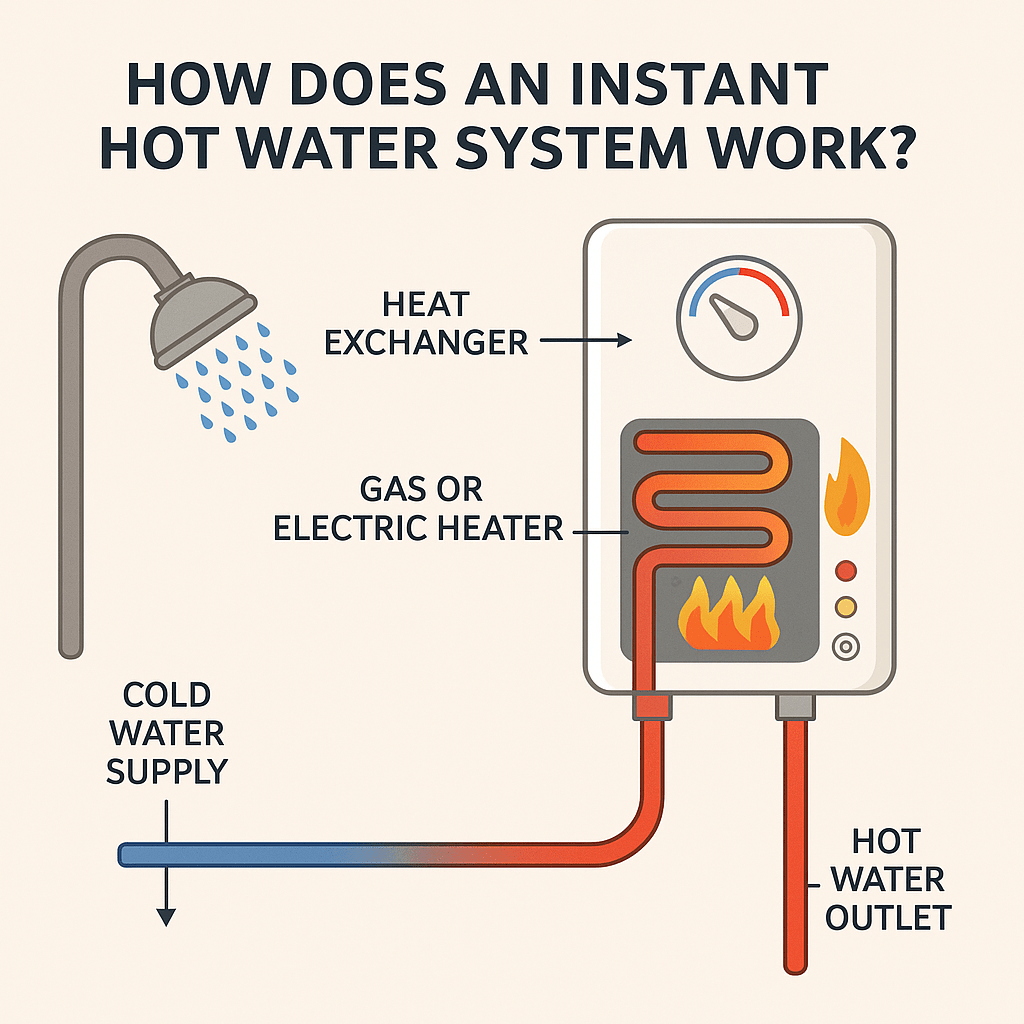
When you turn on a hot tap, cold water flows into the unit. A gas burner or electric element activates immediately, heating the water as it moves through a specially designed heat exchanger. Within seconds, hot water is delivered straight to your tap with no need to wait for a storage tank to fill or reheat.
Unlike traditional systems that constantly keep a tank of water warm, an instant hot water system only heats what you use, when you use it. This eliminates standby heat loss and avoids wasting energy on water you don’t need.
It’s a smart, on-demand solution that helps lower your energy bills and reduce environmental impact (due to its higher efficiency rating), all while keeping your showers comfortably warm.
Instant gas hot water systems
An instant gas hot water system uses a gas burner to rapidly heat water as it flows through the unit, delivering hot water to your tap in just a few seconds. It’s a reliable and efficient choice for larger households or homes with high water usage, especially where multiple bathrooms or appliances are in regular use.
One of the biggest benefits of gas systems is their ability to maintain strong performance during peak times. Whether you’re running the dishwasher, a couple of showers, and a washing machine all at once, you’ll still get a steady stream of hot water without interruption.
They’re also a smart option for energy-conscious families. Natural gas is often cheaper than electricity, which can lead to lower running costs over time. Plus, instant gas units keep working even during power outages, which is an added bonus for larger households that value reliability.
Installation does require a few extra considerations, including a dedicated gas connection and proper ventilation that complies with local regulations. For indoor models, a flue (duct or passage) may be needed to safely vent emissions. A licensed plumber or hot water specialist can advise on the best setup for your home.
Instant electric hot water systems
An instant electric hot water system uses an electric heating element to warm the water as it flows through the unit, providing hot water on demand without the need for a storage tank. These systems are compact, sleek, and easy to install – making them ideal for smaller homes, apartments, offices, or granny flats.
Electric models are especially well-suited for households with lower hot water requirements, such as one or two people living in a smaller space. They work best when used with just a couple of taps at a time, like in a bathroom or kitchenette setup.
While they may not match the high flow rates of gas systems, they make up for it with simplicity and flexibility. There’s no need for a gas line or venting, and they can be installed closer to the point of use – helping to reduce water wastage and waiting time.
If you’re looking for a budget-friendly, low-maintenance, and environmentally conscious solution, an instant electric hot water system is a smart, space-saving choice.

Gas vs electric: what’s best for you?
Not sure whether to choose gas or electric? Here’s a quick comparison to help you decide. Whether you want a low-maintenance option or you’re planning for long-term efficiency, thoroughly comparing gas vs electric hot water systems upfront can make all the difference long-term.
| Feature |
Instant gas |
Instant electric |
| Energy source |
Natural gas or LPG |
Electricity |
| Installation |
Requires gas connection and venting |
Easier installation, no venting |
| Operating costs |
Generally lower |
Potentially higher |
| Ideal for |
Larger households |
Smaller households |
| Environmental impact |
Emits greenhouse gases |
Can be paired with renewable energy |
Still unsure? A licensed plumber can help you weigh up the options and choose the instant hot water system that suits your household’s needs.
Why choose an instant hot water system?
If you’re tired of running out of hot water or paying to keep a tank heated 24/7, an instant hot water system could be the upgrade your home needs. Here’s why more Brisbane homeowners are making the switch:
- Hot water on demand – no more waiting or cold surprises.
- Energy-efficient – only heats water when you need it.
- Space-saving – compact units fit neatly on a wall.
- Modern performance – reliable, fast, and built to last.
Whether you live alone or with a busy household, these systems are designed to keep up.

Need help choosing?
If you’re still weighing up the options, a licensed plumber can offer advice tailored to your home’s setup.
Brisbane Plumbing & Drainage can help with expert guidance and professional installation when you’re ready.