
01 Jun 2025
How Do I Know If My Roof Needs Replacing?
Your roof is one of your home’s most important defences against the elements, yet many homeowners overlook signs of deterioration until serious problems develop. If left unaddressed, a failing roof can lead to water damage, higher energy bills, and even structural issues throughout your home.
Looking for broken, cracked, or missing shingles, visible water stains on your ceiling, and a roof that’s no longer lying flat are key indicators that replacement may be necessary.
The harsh Australian climate takes a heavy toll on roofing materials. Brisbane’s combination of intense sunshine, heavy seasonal storms, and high humidity creates challenging conditions that can accelerate roof deterioration. These weather factors can cause materials to break down faster than in more moderate climates, making regular inspection particularly important for local homeowners.
Most roofs have a lifespan of 20-25 years, though this varies by material type. If your roof is approaching this age and showing signs of wear, like granules in your gutters, curling shingles, or multiple leaks, it’s likely time to consider replacement rather than continued repairs.
Addressing roof issues quickly can prevent more extensive and costly damage to your home’s structure, ceilings, walls, and belongings.
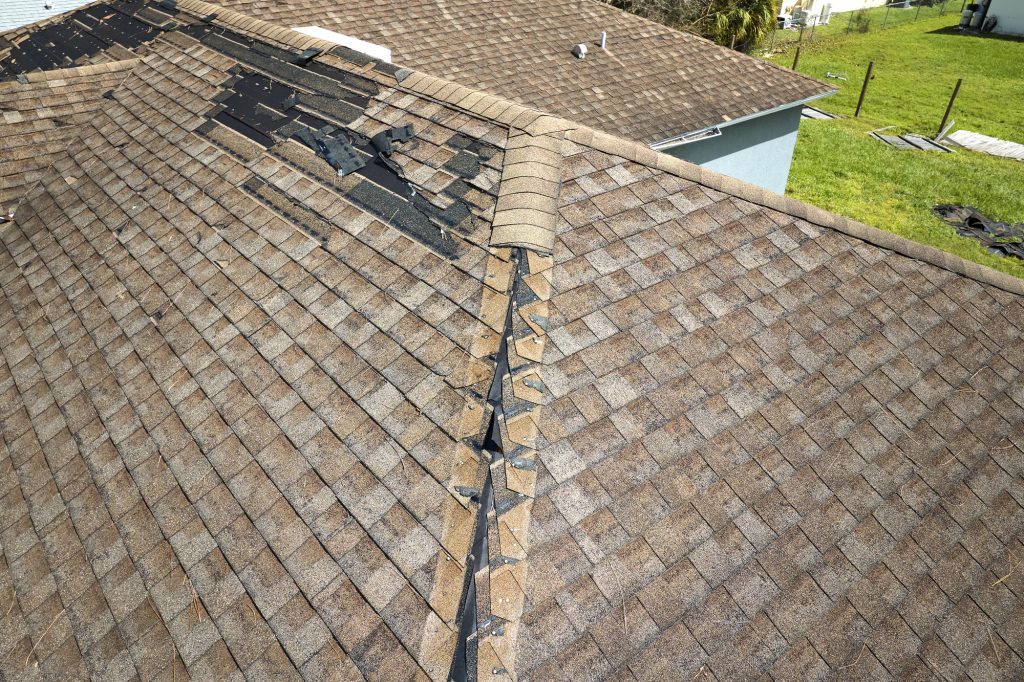
Damaged house roof with missing shingles after hurricane Ian in Florida. Consequences of natural disaster.
Top Signs Your Roof May Need Replacing
Regular roof inspections help catch problems before they escalate into costly emergencies. Identifying the early warning signs can save homeowners thousands in potential interior repairs.
Here are some top indicators to be aware of:
Age of Your Roof
Most roofs have a limited lifespan depending on the materials used. Standard asphalt shingle roofs typically last 20-25 years, while metal roofs can remain functional for 40-70 years with proper care. Concrete tiles generally last 30-50 years, and slate roofs can last over 100 years.
If your roof is approaching or has passed its expected lifespan, it’s wise to arrange a professional inspection.
Weather exposure in Australia accelerates roof ageing, especially in coastal areas where salt spray can corrode metal components. Harsh sun, cyclones, and severe storms in northern regions can also reduce a roof’s effective lifespan.
Even if a roof hasn’t reached its theoretical maximum age, previous poor installation or substandard materials might mean earlier replacement.
Visible Damage
Visible external damage is a clear signal that your roof needs attention. Look for cracked, loose, or missing tiles or shingles, which indicate weakness in the roof’s surface. These issues often result from weather exposure or material deterioration.
For metal roofs, check for rust patches, corrosion, or discolouration. Widespread rust and deep corrosion can compromise the structural integrity and water resistance of the roofing.
The roof valleys—areas where two roof planes meet— are a common failure point. Damaged valleys can allow water to penetrate the roof structure.
Curling, buckling, or blistering shingles signal the end of their useful life. Similarly, granules collecting in gutters (from asphalt shingles) indicate advanced wear.
After storms, look for new dents, punctures, or structural deformities, particularly on metal roofing. These weaknesses can lead to leaks and accelerated deterioration if they are not treated quickly.
Leaks and Water Damage
Water stains on ceilings or walls are telltale signs of roof leaks. These stains often appear as yellowish or brownish discolourations and may grow in size after rainfall.
Persistent leaks, especially those that return after repairs, suggest underlying problems with the roof system rather than isolated incidents. They typically indicate that the waterproof barrier of your roof has been compromised in multiple areas.
Addressing leaks promptly is critical, as water infiltration can damage structural timbers, ceiling materials, electrical systems, and insulation.
Sagging or Drooping Roof
A sagging roof represents a serious structural issue that demands immediate professional assessment. The drooping often appears as a noticeable dip or wave in the roofline that wasn’t present when the roof was new.
This problem typically stems from prolonged water damage to the roof decking or supporting structures. Water weakens wooden components, causing them to lose rigidity and eventually sag under the weight of the roofing materials.
Mould and Mildew Growth
Mould and mildew thrive in damp conditions. Any sign of mould on walls or ceilings is a strong indicator of roof-related moisture problems. Look for black, green, or grey patches on interior ceilings and walls, particularly in upper corners. A musty smell in rooms can also be a telltale sign of microbial growth.
Health concerns make addressing mould issues urgent. Mould spores can aggravate respiratory conditions and cause allergic reactions in sensitive individuals.
Simply cleaning visible mould without addressing the underlying moisture source only provides a temporary solution.
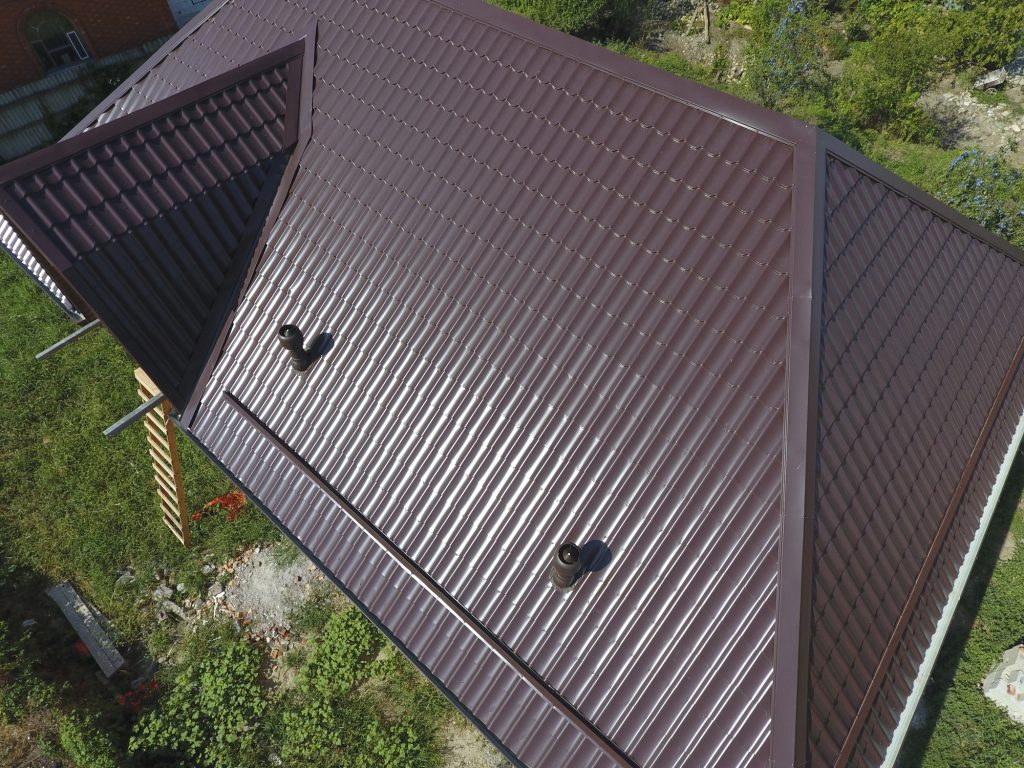
Why Choose Colorbond for Your New Roof?
Colorbond roofing has become a top choice for Australian homeowners looking to replace their roofs. There are several key advantages that make Colorbond stand out from traditional roofing materials.
- Exceptional Durability in Australian Conditions
Colorbond roofs are specifically engineered to withstand Australia’s harsh climate. They can handle everything from scorching summer heat to heavy rainstorms without deteriorating.
These roofs can last more than 50 years with proper care. This long lifespan makes them a smart investment compared to other roofing materials that might need replacement sooner.
- Weather Resistance Features
Colorbond steel undergoes special treatments to resist corrosion and rust. This quality is particularly valuable in Brisbane’s humid climate with frequent rainfall.
The material also offers excellent impact resistance against hail and falling debris. Your roof stays intact even during severe weather events.
- Energy Efficiency Benefits
The reflective surface of Colorbond roofing helps reduce heat absorption. This keeps homes cooler during hot Australian summers.
Many homeowners report lower cooling costs after installing Colorbond roofs. The material works with your home’s insulation to maintain comfortable indoor temperatures.
- Aesthetic Appeal and Design Options
Colorbond offers over 20 colour options to complement any home style. Whether you prefer subtle tones or bold statements, there’s a shade to match your vision.
The roofing comes in various profiles from traditional corrugated to modern flat panels. This versatility suits both heritage homes and contemporary designs.
- Lightweight and Low Maintenance
Colorbond’s lighter weight reduces structural stress on your home. This can be particularly beneficial for older properties that might struggle with heavier materials.
Unlike tiles that can crack and harbour moss, Colorbond requires minimal upkeep. A simple clean twice yearly is typically all that’s needed to maintain its appearance and performance.
What to Do If You Notice These Signs
Regular roof inspections, especially after severe weather events, will catch issues before they become major problems, saving homeowners thousands in emergency roof replacement costs.
If you notice anything amiss, the first step is to schedule a professional roof inspection with a qualified roofer. They have the tools and expertise to safely examine all areas of the roof.
Professional roofers can identify hidden damage that might not be visible from the ground and recommend repairs or replacement, depending on the roof condition.
Taking photos of visible damage can help document the issues before an inspection. This documentation may be useful for insurance claims if needed.
Conclusion: Stay Ahead of Roof Problems
Regular roof maintenance, such as keeping gutters clean and free of debris, helps prevent water damage and protect roofing materials. Routine cleaning also gives homeowners a chance to inspect their roof and identify early warning signs so they can act quickly.
Check for damaged or cracked tiles, missing capping, and hail damage at least twice yearly. Water spots on ceilings, missing tiles, and visible leaks are clear indicators that a roof assessment is needed promptly.
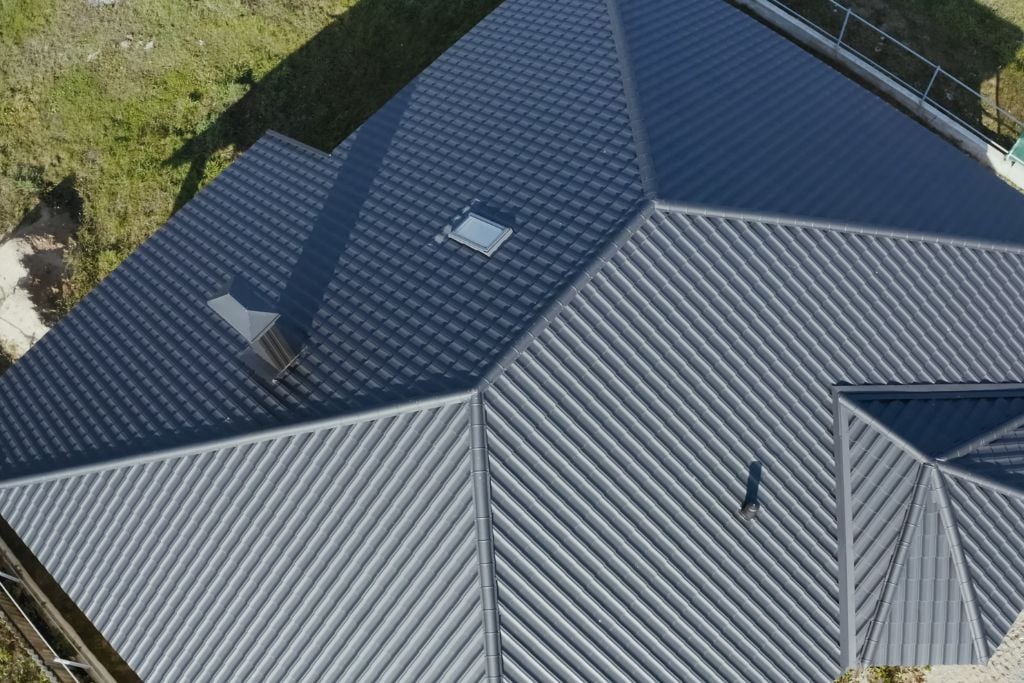
When it comes to a metal roof replacement in Brisbane, consider the options carefully. A durable material like Colorbond can provide peace of mind and long-term protection and might be more cost-effective than repairs for older roofs.
Materials like Colorbond offer excellent durability and protection against Australian weather conditions. They require less maintenance and can withstand harsh elements for decades.
A well-maintained roof protects your entire home investment. Consult with qualified roofing professionals for an honest assessment. Their experience can help you make the right choice between repair and replacement.