
31 Aug 2025
Roof Replacement Trends in Brisbane
Replacing your roof is one of the biggest investments you can make as a Brisbane homeowner, so it’s worth understanding how the roofing landscape is changing. With climate conditions becoming more extreme and energy prices on the rise, more homeowners are turning to durable, efficient, and sustainable roofing options. Whether you’re planning a roof replacement now or in the near future, staying informed about the latest trends can help you make a smarter, longer-lasting choice.
Below is a simple comparison of popular roof materials used in Brisbane—ranging from affordable Zincalume to premium options like copper.
Roof Replacement Cost, Lifespan & Benefits (Brisbane)
| Roof material | Estimated cost (per m2) | Average lifespan | Key benefits |
| Colorbond / Corrugated steel | $45 – $100 | 40+ years | Durable, low maintenance, many colour options, energy-efficient costings |
| Zincalume / aluminium | $40 – $80 | 30 – 40 years | Lightweight, rust-resistant, ideal for coastal areas |
| Tile (concrete) | $40 – $60 | 30 – 50 years | Classic look, good insulation, heavier so can reduce noise |
| Copper (premium) | $180 – $400 | 70+ years | Luxury finish, extremely durable, low maintenance |
Trend 1: Colorbond Steel is the Top Choice
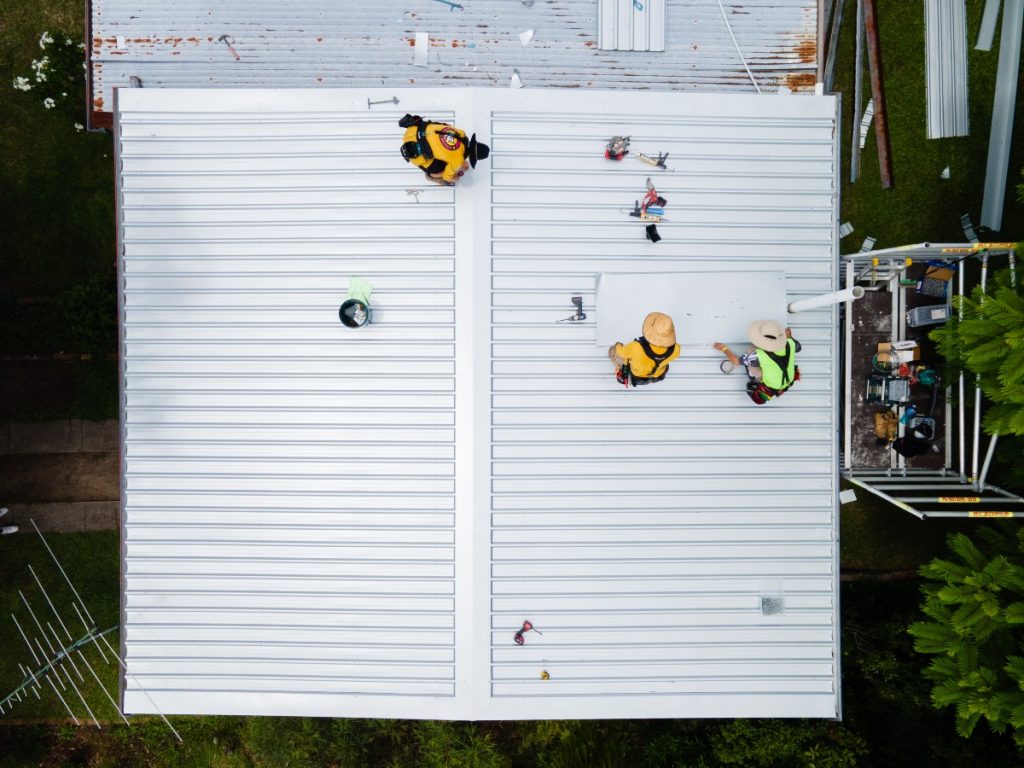
Colorbond steel has become Brisbane’s leading roofing material, and for good reason. Known for its strength, versatility, and low maintenance, Colorbond suits the city’s subtropical climate exceptionally well. It’s resistant to corrosion, holds up against storms, and doesn’t warp under high heat or humidity.
Beyond durability, homeowners are also drawn to Colorbond’s sleek, modern appearance. With a wide range of colours and profiles, it complements both contemporary and traditional home designs. The material is lightweight, making installation faster and less disruptive than traditional tile roofs.
Its thermal efficiency is another key advantage. Many Colorbond products are designed to reflect heat, which can help keep homes cooler in Brisbane’s hot summers and reduce reliance on air conditioning.
Trend 2: Energy-Efficient Roofing
With energy bills continuing to climb, more Brisbane homeowners are prioritising energy-efficient roofing solutions. These materials are designed to reduce heat absorption, improve insulation, and create a more stable indoor temperature throughout the year.
Metal roofing, including Colorbond and Zincalume, performs especially well in this regard. Their reflective surfaces deflect much of the sun’s heat, helping homes stay cooler during summer. Pairing these materials with quality roof insulation and ventilation systems can further improve thermal efficiency and reduce reliance on air conditioning.
Cool roofing technologies, such as reflective coatings and lighter-coloured materials, are also gaining popularity. For homeowners interested in long-term energy savings, these upgrades offer a practical way to cut cooling costs while improving indoor comfort.
Trend 3: Modern Roof Designs
Modern and minimalist roof designs are becoming a standout trend across Brisbane’s residential suburbs. These designs focus on clean lines, flat or low-pitched profiles, and subtle colour palettes – often using monochromatic tones like charcoal, matte black, or soft greys.
Materials such as Colorbond steel and flat concrete tiles are commonly used in these styles, offering a sleek finish without sacrificing durability. The simplicity of modern designs also allows for greater integration with solar panels, skylights, and other contemporary features.
For homeowners looking to update the look of their property, modern roof designs offer a balance between visual appeal and practical function, particularly in new builds or major renovations.
Trend 4: Stronger Materials for Storms
Brisbane’s storm season brings intense rain, high winds, and the occasional hail event – all of which can take a serious toll on older or poorly maintained roofs. In response, more homeowners are replacing aging roofs with stronger, storm-resistant materials that offer better protection.
Steel roofing, particularly Colorbond, is designed to handle severe weather. It resists rust, won’t crack or split under pressure, and is less prone to damage from flying debris compared to traditional tiles. Reinforced fastenings, water-tight sealants, and gutter systems designed for heavy rainfall are also being built into modern roof upgrades.
As weather patterns grow more unpredictable, resilience has become a top priority. A well-installed, storm-ready roof not only protects the home but can also prevent costly water damage and reduce insurance risks.
Trend 5: Eco‑Friendly Choices
Sustainability is more than just a buzzword. It’s shaping how Brisbane homeowners approach home improvements, including roof replacements. Eco-friendly roofing materials and designs are on the rise, driven by an interest in reducing environmental impact and creating more energy-efficient homes.
Options like recyclable metal roofing, solar-ready designs, and green roofs (which incorporate vegetation) are becoming more accessible. Many homeowners are also choosing lighter-coloured or reflective materials to minimise heat absorption and reduce urban heat effects.
Even traditional options like concrete and terracotta tiles can be considered eco-friendly when sourced and installed responsibly. The key is choosing materials with long lifespans, minimal environmental impact, and compatibility with other sustainable upgrades, such as solar panels or rainwater harvesting systems.
Premium materials like copper are also being explored by eco-conscious homeowners. While more expensive upfront, copper is fully recyclable, extremely durable, and requires little to no maintenance over its lifetime—making it a high-end but sustainable option for long-term investment.
How to Know if You Need a Roof Replacement
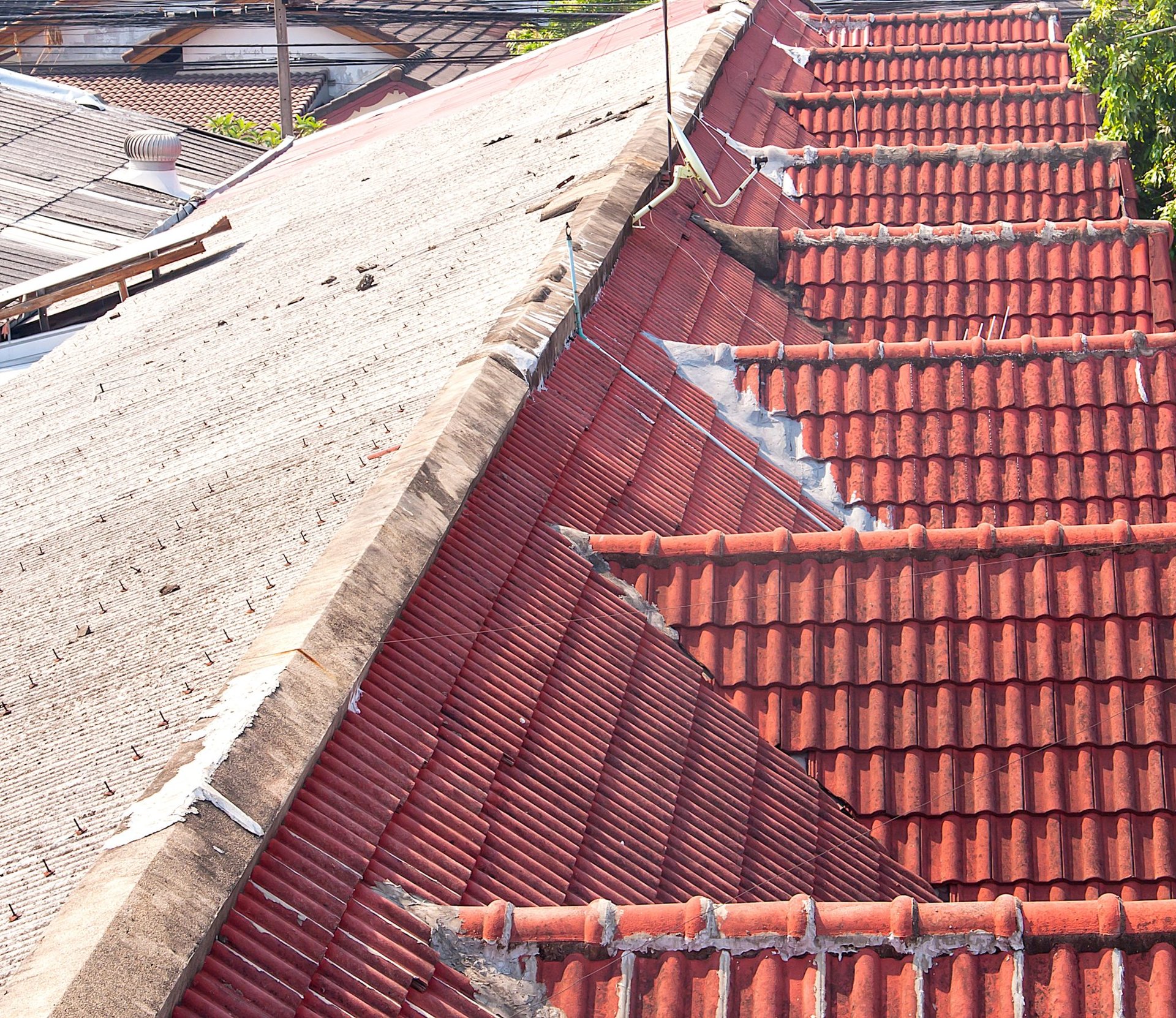
For many Brisbane homeowners, the signs of roof deterioration aren’t always obvious until serious damage has occurred. Knowing what to look for can help you act early, way before small problems become costly repairs.
- Visible damage is a clear warning sign. If you notice cracked, missing, or warped tiles, rust patches on metal sheets, or loose fixings, your roof may no longer be weatherproof. Discolouration or streaks on your ceiling or walls may indicate water is seeping through the roof structure.
- Persistent leaks, even after basic repairs, often point to more significant underlying issues. While minor leaks can sometimes be patched, repeated problems suggest it might be time to consider a full replacement, particularly if the roof is over 20 years old.
- Sagging rooflines or structural movement may indicate that the underlying support has been compromised. This is especially common in older properties where roofing timbers have been exposed to long-term moisture or termite damage.
- Rising energy bills can also be a clue. If your roof is poorly insulated or damaged, it may be allowing excess heat into your home during summer or letting warmth escape during winter. A new, energy-efficient roof can restore thermal performance and lower ongoing costs.
Finally, consider the roof’s age and material. Brisbane’s subtropical climate, with intense sun, humidity, and summer storms, takes a toll on roofing materials. If your roof is reaching the end of its expected lifespan or has undergone frequent repairs, a replacement may be the safer, longer-term solution.
Talk to a Local Expert
With roofing trends shifting toward strength, efficiency, and sustainability, now is a good time to consider whether your current roof still meets the demands of Brisbane’s climate. While this guide covers the key trends and warning signs, every home is different.
If you’re thinking about a roof replacement in Brisbane, speaking with a local expert is the best place to start. A qualified professional can assess your roof’s condition, explain your options, and recommend the most suitable materials for your property and budget. Whether you’re exploring Colorbond steel, energy-saving upgrades, or storm-resistant designs, the right guidance can help you move forward with clarity and confidence.