by BPD Team | Jun 1, 2025
Your roof is one of your home’s most important defences against the elements, yet many homeowners overlook signs of deterioration until serious problems develop. If left unaddressed, a failing roof can lead to water damage, higher energy bills, and even structural issues throughout your home.
Looking for broken, cracked, or missing shingles, visible water stains on your ceiling, and a roof that’s no longer lying flat are key indicators that replacement may be necessary.
The harsh Australian climate takes a heavy toll on roofing materials. Brisbane’s combination of intense sunshine, heavy seasonal storms, and high humidity creates challenging conditions that can accelerate roof deterioration. These weather factors can cause materials to break down faster than in more moderate climates, making regular inspection particularly important for local homeowners.
Most roofs have a lifespan of 20-25 years, though this varies by material type. If your roof is approaching this age and showing signs of wear, like granules in your gutters, curling shingles, or multiple leaks, it’s likely time to consider replacement rather than continued repairs.
Addressing roof issues quickly can prevent more extensive and costly damage to your home’s structure, ceilings, walls, and belongings.
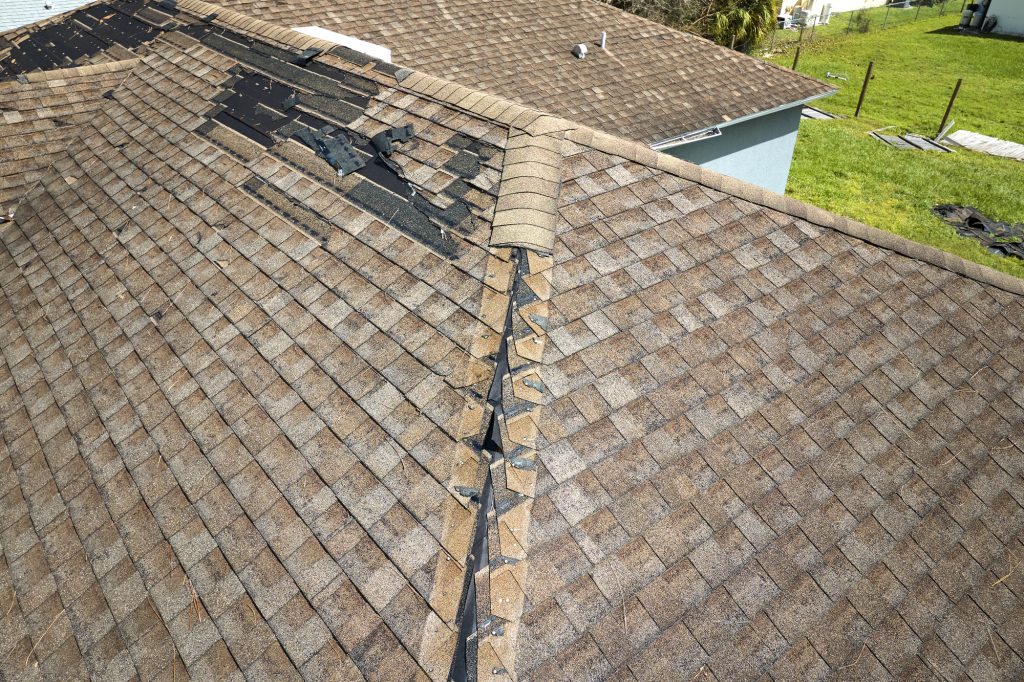
Damaged house roof with missing shingles after hurricane Ian in Florida. Consequences of natural disaster.
Top Signs Your Roof May Need Replacing
Regular roof inspections help catch problems before they escalate into costly emergencies. Identifying the early warning signs can save homeowners thousands in potential interior repairs.
Here are some top indicators to be aware of:
Age of Your Roof
Most roofs have a limited lifespan depending on the materials used. Standard asphalt shingle roofs typically last 20-25 years, while metal roofs can remain functional for 40-70 years with proper care. Concrete tiles generally last 30-50 years, and slate roofs can last over 100 years.
If your roof is approaching or has passed its expected lifespan, it’s wise to arrange a professional inspection.
Weather exposure in Australia accelerates roof ageing, especially in coastal areas where salt spray can corrode metal components. Harsh sun, cyclones, and severe storms in northern regions can also reduce a roof’s effective lifespan.
Even if a roof hasn’t reached its theoretical maximum age, previous poor installation or substandard materials might mean earlier replacement.
Visible Damage
Visible external damage is a clear signal that your roof needs attention. Look for cracked, loose, or missing tiles or shingles, which indicate weakness in the roof’s surface. These issues often result from weather exposure or material deterioration.
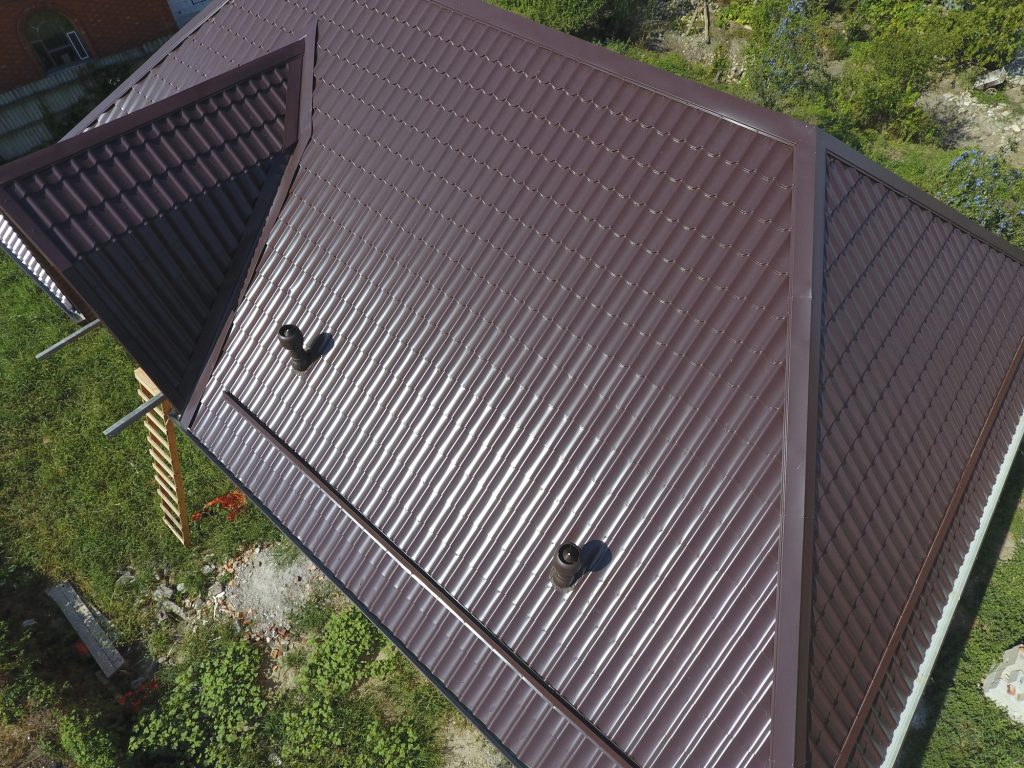
For metal roofs, check for rust patches, corrosion, or discolouration. Widespread rust and deep corrosion can compromise the structural integrity and water resistance of the roofing.
The roof valleys—areas where two roof planes meet— are a common failure point. Damaged valleys can allow water to penetrate the roof structure.
Curling, buckling, or blistering shingles signal the end of their useful life. Similarly, granules collecting in gutters (from asphalt shingles) indicate advanced wear.
After storms, look for new dents, punctures, or structural deformities, particularly on metal roofing. These weaknesses can lead to leaks and accelerated deterioration if they are not treated quickly.
Leaks and Water Damage
Water stains on ceilings or walls are telltale signs of roof leaks. These stains often appear as yellowish or brownish discolourations and may grow in size after rainfall.
Persistent leaks, especially those that return after repairs, suggest underlying problems with the roof system rather than isolated incidents. They typically indicate that the waterproof barrier of your roof has been compromised in multiple areas.
Addressing leaks promptly is critical, as water infiltration can damage structural timbers, ceiling materials, electrical systems, and insulation.
Sagging or Drooping Roof
A sagging roof represents a serious structural issue that demands immediate professional assessment. The drooping often appears as a noticeable dip or wave in the roofline that wasn’t present when the roof was new.
This problem typically stems from prolonged water damage to the roof decking or supporting structures. Water weakens wooden components, causing them to lose rigidity and eventually sag under the weight of the roofing materials.
Mould and Mildew Growth
Mould and mildew thrive in damp conditions. Any sign of mould on walls or ceilings is a strong indicator of roof-related moisture problems. Look for black, green, or grey patches on interior ceilings and walls, particularly in upper corners. A musty smell in rooms can also be a telltale sign of microbial growth.
Health concerns make addressing mould issues urgent. Mould spores can aggravate respiratory conditions and cause allergic reactions in sensitive individuals.
Simply cleaning visible mould without addressing the underlying moisture source only provides a temporary solution.

Why Choose Colorbond for Your New Roof?
Colorbond roofing has become a top choice for Australian homeowners looking to replace their roofs. There are several key advantages that make Colorbond stand out from traditional roofing materials.
- Exceptional Durability in Australian Conditions
Colorbond roofs are specifically engineered to withstand Australia’s harsh climate. They can handle everything from scorching summer heat to heavy rainstorms without deteriorating.
These roofs can last more than 50 years with proper care. This long lifespan makes them a smart investment compared to other roofing materials that might need replacement sooner.
- Weather Resistance Features
Colorbond steel undergoes special treatments to resist corrosion and rust. This quality is particularly valuable in Brisbane’s humid climate with frequent rainfall.
The material also offers excellent impact resistance against hail and falling debris. Your roof stays intact even during severe weather events.
- Energy Efficiency Benefits
The reflective surface of Colorbond roofing helps reduce heat absorption. This keeps homes cooler during hot Australian summers.
Many homeowners report lower cooling costs after installing Colorbond roofs. The material works with your home’s insulation to maintain comfortable indoor temperatures.
- Aesthetic Appeal and Design Options
Colorbond offers over 20 colour options to complement any home style. Whether you prefer subtle tones or bold statements, there’s a shade to match your vision.
The roofing comes in various profiles from traditional corrugated to modern flat panels. This versatility suits both heritage homes and contemporary designs.
- Lightweight and Low Maintenance
Colorbond’s lighter weight reduces structural stress on your home. This can be particularly beneficial for older properties that might struggle with heavier materials.
Unlike tiles that can crack and harbour moss, Colorbond requires minimal upkeep. A simple clean twice yearly is typically all that’s needed to maintain its appearance and performance.
What to Do If You Notice These Signs
Regular roof inspections, especially after severe weather events, will catch issues before they become major problems, saving homeowners thousands in emergency roof replacement costs.
If you notice anything amiss, the first step is to schedule a professional roof inspection with a qualified roofer. They have the tools and expertise to safely examine all areas of the roof.
Professional roofers can identify hidden damage that might not be visible from the ground and recommend repairs or replacement, depending on the roof condition.
Taking photos of visible damage can help document the issues before an inspection. This documentation may be useful for insurance claims if needed.

Conclusion: Stay Ahead of Roof Problems
Regular roof maintenance, such as keeping gutters clean and free of debris, helps prevent water damage and protect roofing materials. Routine cleaning also gives homeowners a chance to inspect their roof and identify early warning signs so they can act quickly.
Check for damaged or cracked tiles, missing capping, and hail damage at least twice yearly. Water spots on ceilings, missing tiles, and visible leaks are clear indicators that a roof assessment is needed promptly.
When it comes to a metal roof replacement in Brisbane, consider the options carefully. A durable material like Colorbond can provide peace of mind and long-term protection and might be more cost-effective than repairs for older roofs.
Materials like Colorbond offer excellent durability and protection against Australian weather conditions. They require less maintenance and can withstand harsh elements for decades.
A well-maintained roof protects your entire home investment. Consult with qualified roofing professionals for an honest assessment. Their experience can help you make the right choice between repair and replacement.

by BPD Team | Feb 27, 2025
When you’re soaking up the steam under the shower, you don’t spend a lot of time thinking about brands. But if the brand you chose is reliably churning out hot water each time you turn on the tap, that’s because it earned a reputation for performance, value for money and durability. So in this Australian hot water review, we’re going to take a closer look at the very best hot water system brands fitted to homes in Brisbane and beyond – and whether there are any stand-out systems you simply must consider.
What is Brisbane’s best hot water system brand?
Great hot water brands are about more than just reliably hot water for a decent price. The best hot water system brands Australia wide got to their high perch because of:
- The way they treat customers
- Their values, vision & mission
- The way they establish trust
- The way they inspire trust
- How they stack up against the competition.
Here at Brisbane Plumbing & Drainage, we’re passionate about our customers – which makes us passionate about Australian hot water systems too! So what is the best hot water system brand, we hear you ask? Let’s get straight into it:

Undoubtedly one of the most recognised hot water system brands in Queensland and beyond, but that’s no surprise – they’ve been doing what they do Down Under since 1937. Throw in some solid Aussie BHP steel and an incredible lineup of modern, efficient hot water technologies and options, and ‘Install a Rheem’ certainly seems like great advice. Want to know more? Then check our Rheem hot water system review!
Our pick: RheemPlus 5 Star 295 gas hot water system. Combine 5-Star energy efficiency with an amazing 305L first-hour capacity, and every family will love this unit.

Like Rheem, everyone has heard of Rinnai – a Japanese brand that bases its Aussie operations in Victoria. Our best memory of the brand is when Rinnai changed Australian hot water forever in the early 90s, when the first continuous flow systems hit the market. Know more about this brand in our Rinnai hot water system review!
Our pick: Infinity 26. This is probably Australia’s favourite instantaneous hot water system, complete with an amazing 6-Star rating – making it the most efficient continuous flow system on the market.
With more than 100 years of brand history, Dux still focus on the basics that everyone cares about – quality, reliability, safety and value for money, without ever stopping the push for innovation. Learn more in our Dux hot water system review.
Our pick: Airoheat 250L Heat Pump. It can be difficult to find a really great heat pump system in Australia, but this system is the perfect choice for going down the ‘green’ road without needing to think about solar panels.
At just 32 years of age, AquaMax is a comparative baby in the Aussie hot water market. But while younger and smaller than the brands listed above, this true-blue Australian brand is an award winner that continues to stun by smashing the country’s minimum energy performance standards. Learn more about them in our AquaMax hot water unit review.
Our pick: G270SS Gas Storage System. One of AquaMax’s latest and best in the premium Stainless Steel range, this unit is almost a full 30% above the minimum energy performance standards.
Even younger than AquaMax, Thermann really is a baby, having not even turned a decade old. But who cares about that, because this 100% Australian-owned brand has clawed its way up with lightning speed to become the fastest growing hot water brand in both Australia and New Zealand. Want to know more about Thermann? Then check out our Thermann hot water review.
Our pick: Electric Boosted Solar. Available in 3 capacities, and even giving you the choice of element position, this is the solar system you want if you want the peace of mind of an efficient electric tank for when the sun’s not shining.
So what’s the best Australian hot water service?
That’s our favourite 5, but now for the moment of choice – what is the best hot water system brand overall? In all honesty, it’s almost impossible to pick, especially when you consider that our Brisbane hot water repair experts also love to service and install Vulcan, Stiebel Eltron and Zip systems. At the end of the day, the best hot water system brands are always the ones that are best for you – your lifestyle, your home, your family size & habits, your technology preferences, and of course your budget.
Here at Brisbane Plumbing & Drainage, we’ve also built up a brand that is synonymous with quality workmanship, affordability and customer care – which means we’d love to help you choose which Australian hot water systems will work best for your needs. Contact our local Brisbane plumbers today – we can’t wait to hear from you!
by BPD Team | Nov 6, 2024
If you’re looking to complete a home renovation, tackle a DIY plumbing job, or just need some new hardware for your kitchen or bathroom, North Lakes offers some excellent options. Here’s a guide to the top retailers in the area, complete with addresses, brief summaries, and snippets of customer reviews to help you decide where to go!
Tradelink North Lakes Showroom + Trade
Address: 1/18-20 Burke Cres, North Lakes QLD 4509
About: Tradelink offers a wide range of plumbing, bathroom, kitchen, and laundry products in a stylish showroom setup. Known for personal consultations and expert advice, they’re a trusted option for both homeowners and tradespeople.
Customer Reviews:
“I cannot speak highly enough of the staff at Tradelink North Lakes. Jade is amazing, and Ben and Elliot provided wonderful help. Highly recommend!”
“Elliott was full of information and gave a great rundown on Hot Water Systems. It was a good experience; I learned a lot and saved money. Excellent customer service!”
Reece Plumbing North Lakes
Address: 6 Oxley St, North Lakes QLD 4509
About: Reece Plumbing offers a vast selection of plumbing supplies along with business services and expert knowledge for a range of projects. They are known for quality products and exceptional customer service, making them a go-to for tradespeople and DIYers alike.
Customer Review:
“A++++ experience. Knowledgeable staff and a wide selection of products. Highly recommended!”
Samios Plumbing Supplies
Address: 11 Flinders Parade, North Lakes QLD 4509
About: Samios Plumbing Supplies has been serving customers since 1947 with high-quality plumbing products and a customer-centric approach. Known for competitive pricing and a reliable selection, they are well-regarded among North Lakes residents.
Customer Reviews:
“We had THE best experience at Samios Plumbing North Lakes. Vivienne’s customer service was outstanding, and she gave us a great deal. Keep up the great work!”
“Staff were very helpful, and prices were good.”
“Friendly, efficient service. Thanks, Gary! Highly recommend this business.”
Sunshine Mitre 10 North Lakes
Address: 49 Stapylton St, North Lakes QLD 4509
About: Sunshine Mitre 10 is your one-stop-shop for all things DIY and building supplies. They offer a comprehensive range that includes plumbing, electrical, paint, power tools, garden supplies, and more. Their knowledgeable and friendly team is always ready to help.
Customer Reviews:
“The team at North Lakes Mitre 10 was fantastic. Rob provided expert advice on mowers without any pressure to buy. A seamless experience from start to finish.”
“Brilliant experience. Purchased a Weber grill, and the team was incredibly helpful. Great service—will be back.”
“What a gem! Clean, organized, and with staff who truly care about helping you find what you need. Wish I found this place sooner!”
Whether you’re a DIY enthusiast or a professional tradesperson, these retailers offer a variety of supplies and excellent customer service to meet your needs. Happy shopping in North Lakes!
Do you need professional plumbing services in North Lakes? Contact us today.
by BPD Team | Sep 23, 2024
Hot water is a household essential that many of us rely on daily, from morning showers to dishwashing and laundry. Yet, hot water systems often go unnoticed, until something goes wrong. A malfunctioning system can cause anything from inconvenient cold showers to noticeable issues like rising energy bills, and or even damage to your home.
It’s no surprise then that identifying the early warning signs of a malfunctioning hot water system can help you avoid unnecessary cost. Let’s explore some of the common signs that your hot water system might need repair, and why addressing them promptly can save you a major headache down the road.
Common Signs Of Hot Water System Problems
Like any appliance, your hot water system can develop issues over time. So, what should you look out for? Early signs that your hot water system might need attention include inconsistent water temperatures, unexpected leaks, and an insufficient hot water supply. More severe indicators are strange noises, discoloured or foul-smelling water, and unexplained increases in your energy bills. Recognising these signs early can help prevent further damage and ensure that your hot water system remains efficient and reliable for years to come.
Inconsistent Water Temperature
One of the most noticeable problems with a malfunctioning hot water system is inconsistent water temperature. This issue can be particularly disruptive; you might find yourself unexpectedly shivering in the shower, struggling to clean your dishes, or dealing with cold water when you least expect it. Such fluctuations in temperature are not just an inconvenience; they often indicate underlying problems that need prompt attention.
So, what could be causing these pesky temperature inconsistencies?
- Water leaks: leaks around your hot water system can disrupt the heating process and lead to temperature inconsistencies. If water is leaking from the tank or its connections, it can reduce efficiency and cause uneven heating. Besides the inconvenience of unpredictable water temperature, leaks can lead to water damage and increased utility bills. So, if you see water where it shouldn’t be, it’s time to call a professional before you end up with a new indoor pool!
- Insufficient hot water supply: a sudden drop in the amount of hot water available can signal a problem with the heating elements or the tank itself. So, if your system struggles to meet your household’s demand, you could find yourself confronted with a cold shower. Reasons for this vary, and could include a malfunctioning thermostat, sediment build-up, or a failing heating element. It’s like your hot water system is on a permanent vacation, leaving you out in the cold – talk about a cold heart.
- Unusual noises from the heater: strange noises such as banging, popping, or rumbling are a clear indicator that your hot water system is struggling to perform. Rest assured this isn’t Beetlejuice, these noises are most often associated with sediment build-up inside the tank, which can disrupt the heating process and cause temperature fluctuations (over time, this can also damage the heating elements and other components). No one wants a hot water system that sounds like a middle-school rock band across the street.
- Discoloured or foul-smelling water: if your hot water has a strange colour or odour, it might be a sign of a more serious issue. Rust or sediment in the tank can cause water to appear discoloured and smell unpleasant. This affects the efficiency of your water heater and could result in inconsistent temperatures.
- Rising energy bills: inconsistent water temperatures can also lead to increased energy consumption. Simply put, if your system struggles to maintain a steady temperature, it will try to work harder and use more energy, resulting in higher utility bills. This is often a sign that your hot water system is outdated and needs some degree of maintenance or repair to restore efficiency. Fixing these issues not only saves you from draining (pun intended) your wallet but also means you can spend your hard-earned money on your family or home improvements – like finally upgrading that old garden gnome collection you’re too embarrassed to bring out in front of the neighbours! Just me? Okay, moving on.
Addressing these issues promptly can help ensure that your hot water system operates smoothly, maintains a consistent temperature, and provides you and your family with reliable comfort.
Importance Of Timely Repairs
When you’re juggling a busy household, it’s easy to push small repairs to the back burner. After all, who has the time to deal with a dripping faucet or a minor hot water issue when there are a million other things on your to-do list? However, delaying these small fixes can lead to bigger headaches and higher costs down the road. Here’s why addressing issues with your hot water system are essential:
Preventing Further Damage: Small problems, if ignored, can quickly snowball into major issues. A tiny leak might seem like a minor inconvenience now, but over time, it can cause significant water damage or even lead to mould growth. Similarly, a thermostat that isn’t working correctly might make your system work harder, potentially damaging other components. Don’t let a small problem turn into a big one!
Avoiding Costly Repairs: In the chaos of daily life, it’s tempting to put off repairs, hoping they’ll resolve themselves. But putting off fixes can lead to much larger, more expensive problems. A small issue with sediment build-up or a faulty heating element might be easy and inexpensive to fix early on, but if you wait, you could end up needing to replace the entire system. Think of it like ignoring a small crack in your windshield; it might seem harmless at first, but it can quickly spread and become a major issue if not addressed.
By taking care of minor issues as soon as they arise, you’re not just saving yourself from future hassles; you’re also protecting your investment in your home. Regular maintenance and prompt repairs can keep your hot water system running smoothly, saving you both time and money in the long run.

Repair Vs. Replacement
When your hot water system starts showing signs of trouble, one of the biggest decisions you’ll face is whether to repair the existing unit or invest in a replacement. Both options have their pros and cons, and choosing the right path depends on several factors. Here’s a closer look at how to weigh your options:
Factors To Consider For Repair
- Cost: if the cost of repairing your hot water system is relatively low and the issue is minor, such as a faulty thermostat or a small leak, repairing might be the most economical choice. Consider the repair costs in relation to the age and overall condition of your system, and if the repairs are cheap and the system is relatively new, fixing it might be a smart move.
- The extent of damage: assess the severity of the problem. Minor issues like a clogged filter or a malfunctioning valve can often be repaired without too much hassle. If your system is only facing small, isolated issues, a repair can restore its functionality without a large expense.
- Age of the system: for systems under 10 years in age, repairs are usually the more practical and cost-effective way to extend the lifespan of your hot water system. However, if your system is older and has a history of frequent issues, repairing it will likely be a temporary solution.
When Replacement Makes Sense
- Frequent breakdowns: if your system often requires repairs, it may be time for a replacement. Continuous breakdowns not only become inconvenient but also extremely costly. In such cases, investing in a new unit can save you money in the long run, despite the higher upfront cost.
- Rising costs: if repair costs approach or exceed the cost of a new system, replacement will be more economical. A new hot water system will likely be more energy-efficient, reducing your utility bills and providing a more reliable performance overall.
- Significant age: for systems older than 10-15 years, replacement is often more sensible. At this age, even well-maintained systems can become less efficient and more prone to breakdowns. A new unit can offer better energy efficiency, improved technology, and a warranty for peace of mind.
- Increased demand: if your household’s hot water needs have increased significantly, perhaps your family has grown in size, a replacement system might be necessary to meet that higher demand. A newer, larger unit can also provide the consistent hot water supply you need without compromising on performance.
Weighing the cost of repairs against the benefits of a new system can help you make the best decision for your hot water needs.
Lifespan Of Hot Water Systems
Most hot water systems typically last between 8 to 15 years, depending on factors such as usage, water quality, and maintenance. Regular servicing can help extend this lifespan, but eventually, all systems reach a point where they become less efficient and more prone to failures. Knowing the average lifespan of your system can help you anticipate when it might be time to start considering a replacement, preventing unexpected breakdowns and ensuring you maintain a reliable supply of hot water for you and the family.

When To Consult Professional Help?
If you notice any of the signs mentioned above, or experience persistent issues with your hot water system, it’s time to consult a professional. Expert plumbers can accurately diagnose problems, offer solutions, and perform necessary repairs or replacements. So please don’t wait for a small issue to turn into a major problem. Regular maintenance and timely intervention can save you from costly repairs and ensure your hot water system operates efficiently, for longer.
For any concerns or to schedule a service, reach out to a trusted professional to keep your hot water system running as it should.
by BPD Team | Aug 28, 2024
Brisbane’s wet season can turn a minor roof leak into a costly disaster—are your gutters and downpipes ready to handle the deluge? Don’t let a small oversight cost you thousands in repairs.
Roof plumbing plays a critical role in protecting a home from water ingress. This means looking at gutters, downpipes, and other drainage systems that direct water away from the building structure. Regular checks and maintenance of these components are quick and inexpensive and will preserve the integrity of a roof and the entire house.
Identifying when roof plumbing maintenance is needed can save thousands of dollars in potential water damage.
By taking steps to recognise the warning signs of roof plumbing issues, homeowners are empowered to take action before significant damage occurs. Indicators such as visible water stains on ceilings and unexplained mould growth can point to underlying issues that require professional attention. By addressing these concerns promptly, homeowners can ensure their roofs are ready to withstand the upcoming rainy season.
This article will help you identify the most common warning signs of roof issues so you can arrange a professional repair early.
Sign 1: Water Stains on Ceilings
Water stains on ceilings are often the first indicator of a roof leak. These discolourations typically appear as brownish or yellowish marks, ranging from small spots to large patches.
Roof leaks can occur for various reasons, such as damaged shingles, cracked flashing, or clogged gutters. When water seeps through these weak points, it travels along roof beams and eventually reaches the ceiling.
Prolonged exposure to moisture can lead to weakened drywall, peeling paint, and mould growth.
Insulation in the roof cavity may also become waterlogged, reducing its effectiveness and increasing energy costs. Wet insulation also creates an ideal environment for mould and mildew to thrive.
Identifying and fixing the source of the leak quickly can prevent further damage to the home’s structure and protect the valuable possessions inside the home.
Sign 2: Visible Mould or Mildew
Mould and mildew fungi thrive in damp environments, often signalling the presence of leaks or inadequate ventilation. Even small amounts of moisture can lead to extensive mould colonies if left unchecked.
The health implications of mould exposure are significant. Inhaling mould spores can trigger allergic reactions, respiratory issues, and other health problems. People with asthma or weakened immune systems are particularly vulnerable.
Beyond health concerns, mould can compromise the structural integrity of a building. It feeds on organic materials like wood and drywall, gradually weakening these components over time.
Look for discoloured patches on ceilings or walls, especially in corners or near windows. Simply cleaning visible mould without fixing the leak or improving ventilation will result in its return.
An expert can uncover the underlying cause of hidden moisture sources and safely remove contaminated materials for good.
Sign 3: Sagging or Blocked Gutters
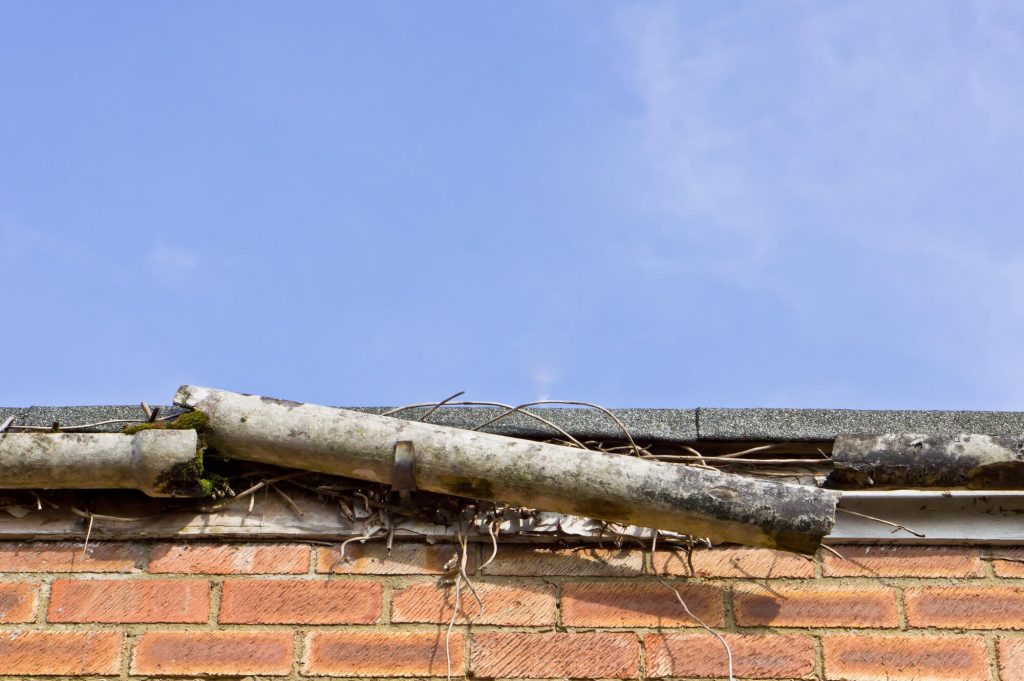
If not maintained, gutters can become clogged with leaves, twigs, and debris, preventing proper water flow. This blockage causes gutters to become heavy, dragging them down or pulling away from the roof’s edge, leading to water overflow.
When gutters sag, they can’t effectively channel water away from the house, which leads to drainage issues.
During heavy rain, water spills over the sides, causing damage to the home exterior and foundation. It can also seep into walls and ceilings, causing costly internal damage. The excess weight of blocked gutters can strain roof fixtures and fascia boards. In severe cases, this may lead to gutter detachment or roof damage.
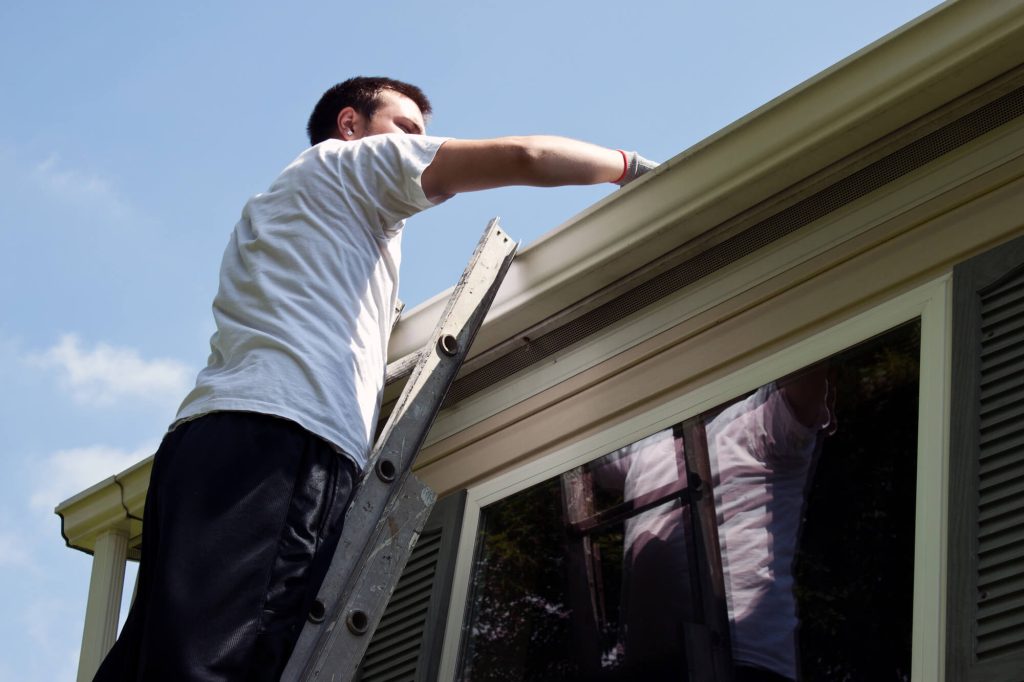
As well as professional roof maintenance, homeowners can inspect their gutters twice a year to remove debris and check alignment.

Sign 4: Peeling Paint or Wallpaper
Peeling paint or wallpaper often signals moisture issues within walls. As water penetrates, it can cause paint to bubble and separate from surfaces.
Wallpaper is particularly susceptible to moisture damage. When exposed to excess humidity, it can start to lift at the edges or develop obvious bubbles. These visual cues can point to more serious underlying problems.
Homeowners need to inspect walls and ceilings regularly for signs of peeling. Pay close attention to areas near windows, corners, and joints where water is more likely to accumulate. If multiple spots show deterioration, it’s wise to have a professional assess the situation.
Sign 5: Increased Utility Bills
Unexplained spikes in water or energy bills may be a subtle indication of hidden plumbing issues. Leaks in walls or under floors may increase humidity. This makes air conditioners and dehumidifiers work overtime, driving up electricity costs. If hot water pipes leak or tanks develop faults, energy prices also increase to constantly reheat the water.
Even small leaks waste valuable water and put pressure on heating and cooling systems.
A dripping tap can waste up to 20,000 litres of water per year. This adds up quickly on water bills. By comparing energy and water bills month-to-month and year-to-year homeowners can spot unusual increases and call a professional for help before the situation gets out of hand.
Sign 6: Cracked or Dislodged Roof Tiles
Damaged, cracked or dislodged roof tile tiles can compromise the roof’s ability to protect a home from the elements, particularly during heavy rainfall. Even small gaps can allow moisture to seep into the roof structure, potentially causing extensive damage over time such as wood rot, mould growth, and weakened structural integrity.
Professional roofers can assess the extent of tile damage and recommend appropriate repairs. In some cases, individual tiles can be replaced rather than having the expense of a full roof replacement.
Homeowners can trim overhanging tree branches, clean gutters regularly, and schedule professional roof maintenance to spot potential problems before they escalate.
Sign 7: Rusted or Damaged Flashing
Flashing consists of thin metal strips installed around chimneys, vents, and other roof penetrations to create a watertight seal.
Exposure to the elements can rust flashing and cause damage. This deterioration compromises its ability to prevent water ingress, potentially leading to leaks and water damage inside the home.
Signs of flashing issues include:
- Visible rust spots or corrosion
- Cracks or gaps in the flashing material
- Loose or missing sections
- Bent or warped metal strips
Inspect roof flashing regularly, especially before the rainy season to avoid more extensive damage to the roof and home interior. Replacement is usually simple and inexpensive for a professional to compete.
Sign 8: Debris Accumulation on the Roof
Leaves, twigs, and other organic matter often collect in roof valleys, gutters, and around chimneys or vents. This accumulated debris can trap moisture against the roof surface, potentially causing water to pool.
Over time, standing water can seep under roofing sections, compromising the roof’s waterproof barrier.
If gutters and downpipes become clogged with debris, rainwater cannot flow freely off the roof. This increases the risk of water backing up and finding its way into the home through weak spots.
Removing debris is the easiest way to help maintain proper water flow and protect the roof structure from unnecessary wear and tear. Experts have the right tools and knowledge to safely clear debris without damaging the roofing materials.

Sign 9: Musty Odours Indoors
A distinctive musty odour often develops when water infiltrates the building structure.
Water intrusion through the roof may not always be immediately visible. It can seep into walls, ceilings, or insulation before signs of damage become apparent. The resulting musty smell is often the first indicator that something is amiss.
Persistent musty odours should never be ignored. They can signal serious issues like:
- Mould and mildew growth
- Rotting timber framing
- Deteriorating insulation
- Compromised structural integrity
A thorough roof inspection by a qualified professional can pinpoint the source of leaks and prevent further damage to the home and protect the health of occupants.
The Benefits of Timely Maintenance
Timely maintenance and regular upkeep help prevent costly repairs down the track. By addressing minor issues promptly, property owners can avoid major problems that could lead to extensive damage and hefty bills.
Prevent Costly Repairs: Catching roof issues early saves you from expensive fixes down the line and extends the lifespan of roof plumbing components.
Protect Home Value: Regular maintenance preserves your home’s structural integrity, safeguarding its market value. Attention to roofing detail can positively impact resale value and attract more potential buyers.
Ensure Safety: A well-functioning roof system guards against water damage, mould growth, and potential hazards like electrical faults.
It’s not just the home structure that benefits from early plumbing maintenance. Furniture, electronics, and valuables need to be kept dry and free of mould for their longevity as well as the safety and well-being of occupants and pets.
Final Thoughts
As the rainy season approaches, homeowners need to be especially vigilant about looking after their roof condition.
Watch for signs like missing shingles, sagging gutters, or interior leaks. These issues can worsen quickly during heavy rains and lead to costly repairs down the line. A professional inspection before the wet season can catch hidden issues. Experts have the tools and knowledge to spot subtle problems quickly and can safely access hard-to-reach areas and provide detailed reports.
Roof upkeep is an investment in a home’s longevity. It safeguards against structural damage, mould growth, and energy inefficiency. Proper maintenance also extends the life of roofing materials.
Homeowners shouldn’t wait for obvious leaks before taking action. Being proactive about roof care saves money and stress in the long run. Contacting a qualified roof plumber for an assessment is a smart step towards peace of mind.