
28 Aug 2024
Top 9 Signs Your Roof Needs Plumbing Maintenance Before the Rainy Season
Brisbane’s wet season can turn a minor roof leak into a costly disaster—are your gutters and downpipes ready to handle the deluge? Don’t let a small oversight cost you thousands in repairs.
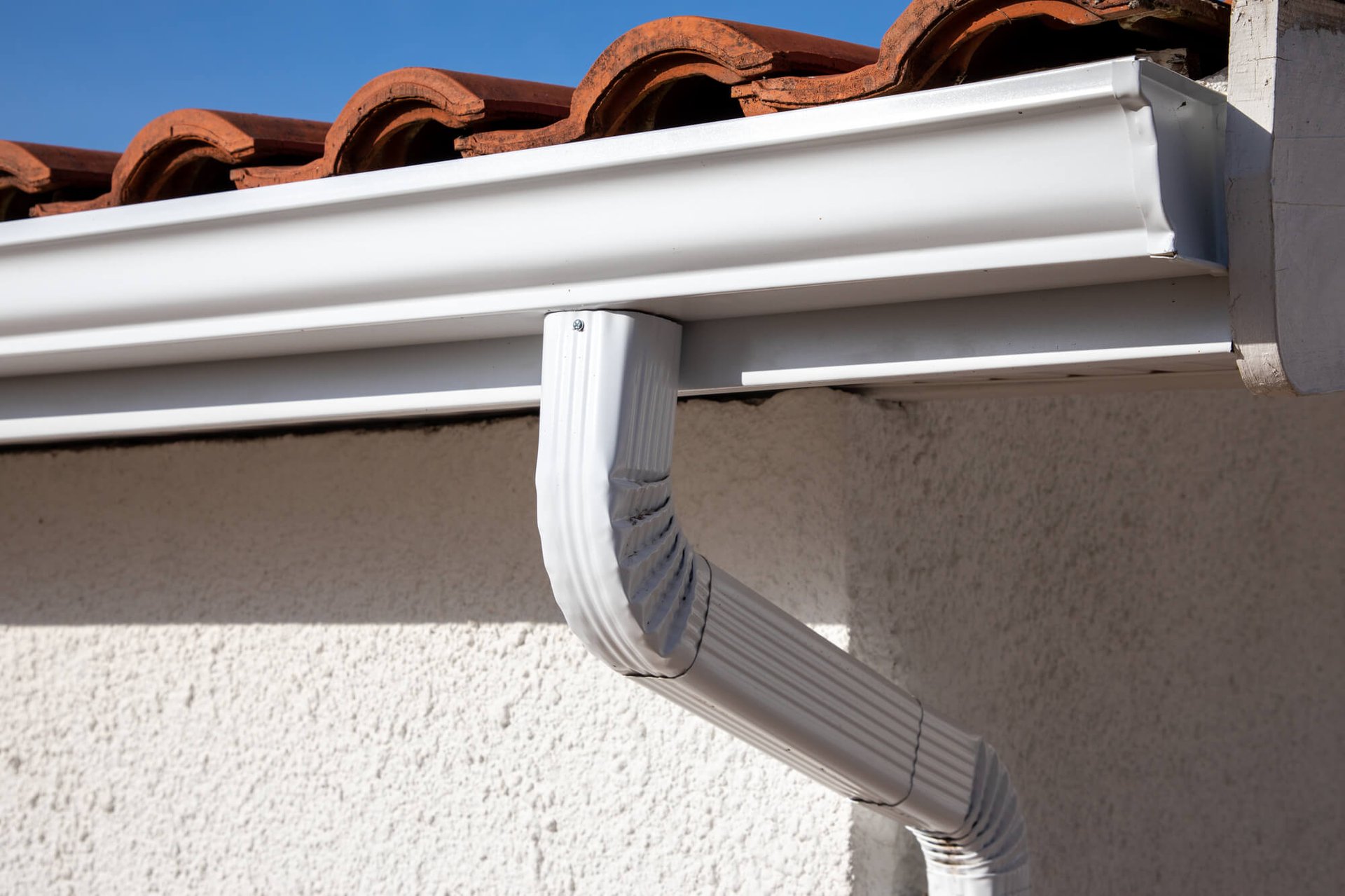
Roof plumbing plays a critical role in protecting a home from water ingress. This means looking at gutters, downpipes, and other drainage systems that direct water away from the building structure. Regular checks and maintenance of these components are quick and inexpensive and will preserve the integrity of a roof and the entire house.
Identifying when roof plumbing maintenance is needed can save thousands of dollars in potential water damage.
By taking steps to recognise the warning signs of roof plumbing issues, homeowners are empowered to take action before significant damage occurs. Indicators such as visible water stains on ceilings and unexplained mould growth can point to underlying issues that require professional attention. By addressing these concerns promptly, homeowners can ensure their roofs are ready to withstand the upcoming rainy season.
This article will help you identify the most common warning signs of roof issues so you can arrange a professional repair early.
Sign 1: Water Stains on Ceilings
Water stains on ceilings are often the first indicator of a roof leak. These discolourations typically appear as brownish or yellowish marks, ranging from small spots to large patches.
Roof leaks can occur for various reasons, such as damaged shingles, cracked flashing, or clogged gutters. When water seeps through these weak points, it travels along roof beams and eventually reaches the ceiling.
Prolonged exposure to moisture can lead to weakened drywall, peeling paint, and mould growth.
Insulation in the roof cavity may also become waterlogged, reducing its effectiveness and increasing energy costs. Wet insulation also creates an ideal environment for mould and mildew to thrive.
Identifying and fixing the source of the leak quickly can prevent further damage to the home’s structure and protect the valuable possessions inside the home.
Sign 2: Visible Mould or Mildew
Mould and mildew fungi thrive in damp environments, often signalling the presence of leaks or inadequate ventilation. Even small amounts of moisture can lead to extensive mould colonies if left unchecked.
The health implications of mould exposure are significant. Inhaling mould spores can trigger allergic reactions, respiratory issues, and other health problems. People with asthma or weakened immune systems are particularly vulnerable.
Beyond health concerns, mould can compromise the structural integrity of a building. It feeds on organic materials like wood and drywall, gradually weakening these components over time.
Look for discoloured patches on ceilings or walls, especially in corners or near windows. Simply cleaning visible mould without fixing the leak or improving ventilation will result in its return.
An expert can uncover the underlying cause of hidden moisture sources and safely remove contaminated materials for good.
Sign 3: Sagging or Blocked Gutters
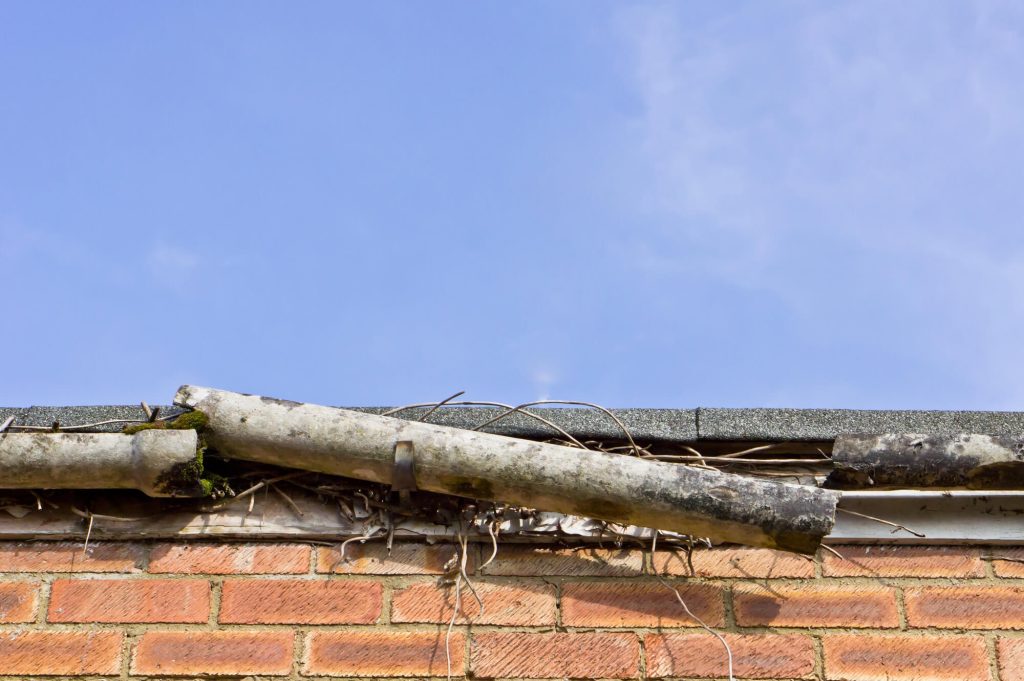
If not maintained, gutters can become clogged with leaves, twigs, and debris, preventing proper water flow. This blockage causes gutters to become heavy, dragging them down or pulling away from the roof’s edge, leading to water overflow.
When gutters sag, they can’t effectively channel water away from the house, which leads to drainage issues.
During heavy rain, water spills over the sides, causing damage to the home exterior and foundation. It can also seep into walls and ceilings, causing costly internal damage. The excess weight of blocked gutters can strain roof fixtures and fascia boards. In severe cases, this may lead to gutter detachment or roof damage.
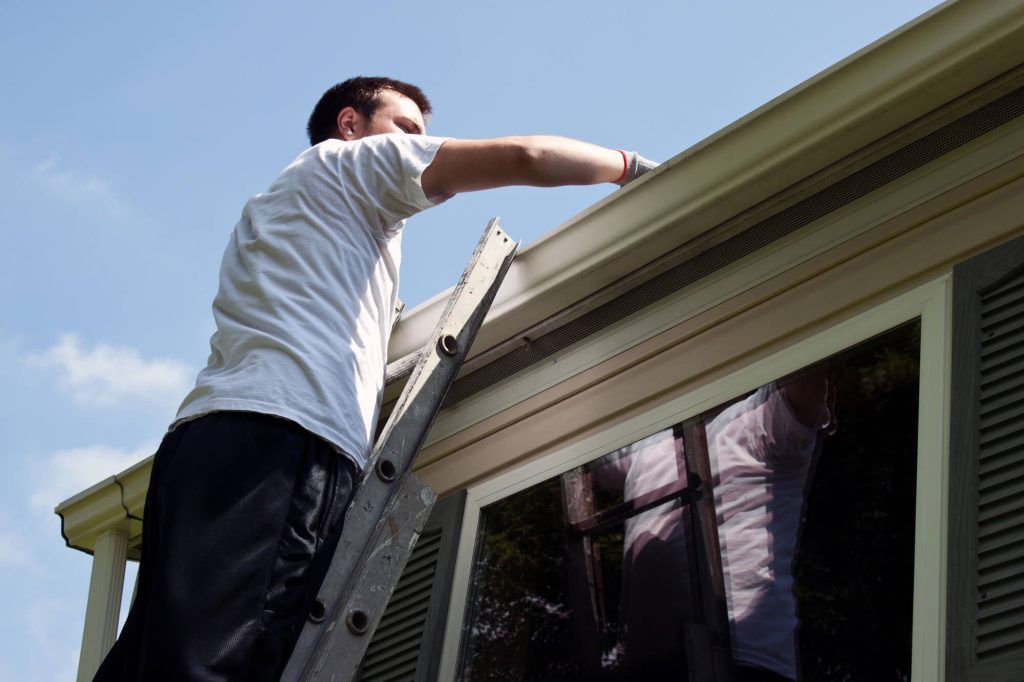
As well as professional roof maintenance, homeowners can inspect their gutters twice a year to remove debris and check alignment.
Sign 4: Peeling Paint or Wallpaper
Peeling paint or wallpaper often signals moisture issues within walls. As water penetrates, it can cause paint to bubble and separate from surfaces.
Wallpaper is particularly susceptible to moisture damage. When exposed to excess humidity, it can start to lift at the edges or develop obvious bubbles. These visual cues can point to more serious underlying problems.
Homeowners need to inspect walls and ceilings regularly for signs of peeling. Pay close attention to areas near windows, corners, and joints where water is more likely to accumulate. If multiple spots show deterioration, it’s wise to have a professional assess the situation.
Sign 5: Increased Utility Bills
Unexplained spikes in water or energy bills may be a subtle indication of hidden plumbing issues. Leaks in walls or under floors may increase humidity. This makes air conditioners and dehumidifiers work overtime, driving up electricity costs. If hot water pipes leak or tanks develop faults, energy prices also increase to constantly reheat the water.
Even small leaks waste valuable water and put pressure on heating and cooling systems.
A dripping tap can waste up to 20,000 litres of water per year. This adds up quickly on water bills. By comparing energy and water bills month-to-month and year-to-year homeowners can spot unusual increases and call a professional for help before the situation gets out of hand.
Sign 6: Cracked or Dislodged Roof Tiles
Damaged, cracked or dislodged roof tile tiles can compromise the roof’s ability to protect a home from the elements, particularly during heavy rainfall. Even small gaps can allow moisture to seep into the roof structure, potentially causing extensive damage over time such as wood rot, mould growth, and weakened structural integrity.
Professional roofers can assess the extent of tile damage and recommend appropriate repairs. In some cases, individual tiles can be replaced rather than having the expense of a full roof replacement.
Homeowners can trim overhanging tree branches, clean gutters regularly, and schedule professional roof maintenance to spot potential problems before they escalate.
Sign 7: Rusted or Damaged Flashing
Flashing consists of thin metal strips installed around chimneys, vents, and other roof penetrations to create a watertight seal.
Exposure to the elements can rust flashing and cause damage. This deterioration compromises its ability to prevent water ingress, potentially leading to leaks and water damage inside the home.
Signs of flashing issues include:
- Visible rust spots or corrosion
- Cracks or gaps in the flashing material
- Loose or missing sections
- Bent or warped metal strips
Inspect roof flashing regularly, especially before the rainy season to avoid more extensive damage to the roof and home interior. Replacement is usually simple and inexpensive for a professional to compete.
Sign 8: Debris Accumulation on the Roof
Leaves, twigs, and other organic matter often collect in roof valleys, gutters, and around chimneys or vents. This accumulated debris can trap moisture against the roof surface, potentially causing water to pool.
Over time, standing water can seep under roofing sections, compromising the roof’s waterproof barrier.
If gutters and downpipes become clogged with debris, rainwater cannot flow freely off the roof. This increases the risk of water backing up and finding its way into the home through weak spots.
Removing debris is the easiest way to help maintain proper water flow and protect the roof structure from unnecessary wear and tear. Experts have the right tools and knowledge to safely clear debris without damaging the roofing materials.
Sign 9: Musty Odours Indoors
A distinctive musty odour often develops when water infiltrates the building structure.
Water intrusion through the roof may not always be immediately visible. It can seep into walls, ceilings, or insulation before signs of damage become apparent. The resulting musty smell is often the first indicator that something is amiss.
Persistent musty odours should never be ignored. They can signal serious issues like:
- Mould and mildew growth
- Rotting timber framing
- Deteriorating insulation
- Compromised structural integrity
A thorough roof inspection by a qualified professional can pinpoint the source of leaks and prevent further damage to the home and protect the health of occupants.
The Benefits of Timely Maintenance
Timely maintenance and regular upkeep help prevent costly repairs down the track. By addressing minor issues promptly, property owners can avoid major problems that could lead to extensive damage and hefty bills.
Prevent Costly Repairs: Catching roof issues early saves you from expensive fixes down the line and extends the lifespan of roof plumbing components.
Protect Home Value: Regular maintenance preserves your home’s structural integrity, safeguarding its market value. Attention to roofing detail can positively impact resale value and attract more potential buyers.
Ensure Safety: A well-functioning roof system guards against water damage, mould growth, and potential hazards like electrical faults.
It’s not just the home structure that benefits from early plumbing maintenance. Furniture, electronics, and valuables need to be kept dry and free of mould for their longevity as well as the safety and well-being of occupants and pets.
Final Thoughts
As the rainy season approaches, homeowners need to be especially vigilant about looking after their roof condition.
Watch for signs like missing shingles, sagging gutters, or interior leaks. These issues can worsen quickly during heavy rains and lead to costly repairs down the line. A professional inspection before the wet season can catch hidden issues. Experts have the tools and knowledge to spot subtle problems quickly and can safely access hard-to-reach areas and provide detailed reports.
Roof upkeep is an investment in a home’s longevity. It safeguards against structural damage, mould growth, and energy inefficiency. Proper maintenance also extends the life of roofing materials.
Homeowners shouldn’t wait for obvious leaks before taking action. Being proactive about roof care saves money and stress in the long run. Contacting a qualified roof plumber for an assessment is a smart step towards peace of mind.