
23 Sep 2024
Signs Your Hot Water System Needs Repair
Hot water is a household essential that many of us rely on daily, from morning showers to dishwashing and laundry. Yet, hot water systems often go unnoticed, until something goes wrong. A malfunctioning system can cause anything from inconvenient cold showers to noticeable issues like rising energy bills, and or even damage to your home.
It’s no surprise then that identifying the early warning signs of a malfunctioning hot water system can help you avoid unnecessary cost. Let’s explore some of the common signs that your hot water system might need repair, and why addressing them promptly can save you a major headache down the road.
Common Signs Of Hot Water System Problems
Like any appliance, your hot water system can develop issues over time. So, what should you look out for? Early signs that your hot water system might need attention include inconsistent water temperatures, unexpected leaks, and an insufficient hot water supply. More severe indicators are strange noises, discoloured or foul-smelling water, and unexplained increases in your energy bills. Recognising these signs early can help prevent further damage and ensure that your hot water system remains efficient and reliable for years to come.
Inconsistent Water Temperature
One of the most noticeable problems with a malfunctioning hot water system is inconsistent water temperature. This issue can be particularly disruptive; you might find yourself unexpectedly shivering in the shower, struggling to clean your dishes, or dealing with cold water when you least expect it. Such fluctuations in temperature are not just an inconvenience; they often indicate underlying problems that need prompt attention.
So, what could be causing these pesky temperature inconsistencies?
- Water leaks: leaks around your hot water system can disrupt the heating process and lead to temperature inconsistencies. If water is leaking from the tank or its connections, it can reduce efficiency and cause uneven heating. Besides the inconvenience of unpredictable water temperature, leaks can lead to water damage and increased utility bills. So, if you see water where it shouldn’t be, it’s time to call a professional before you end up with a new indoor pool!
- Insufficient hot water supply: a sudden drop in the amount of hot water available can signal a problem with the heating elements or the tank itself. So, if your system struggles to meet your household’s demand, you could find yourself confronted with a cold shower. Reasons for this vary, and could include a malfunctioning thermostat, sediment build-up, or a failing heating element. It’s like your hot water system is on a permanent vacation, leaving you out in the cold – talk about a cold heart.
- Unusual noises from the heater: strange noises such as banging, popping, or rumbling are a clear indicator that your hot water system is struggling to perform. Rest assured this isn’t Beetlejuice, these noises are most often associated with sediment build-up inside the tank, which can disrupt the heating process and cause temperature fluctuations (over time, this can also damage the heating elements and other components). No one wants a hot water system that sounds like a middle-school rock band across the street.
- Discoloured or foul-smelling water: if your hot water has a strange colour or odour, it might be a sign of a more serious issue. Rust or sediment in the tank can cause water to appear discoloured and smell unpleasant. This affects the efficiency of your water heater and could result in inconsistent temperatures.
- Rising energy bills: inconsistent water temperatures can also lead to increased energy consumption. Simply put, if your system struggles to maintain a steady temperature, it will try to work harder and use more energy, resulting in higher utility bills. This is often a sign that your hot water system is outdated and needs some degree of maintenance or repair to restore efficiency. Fixing these issues not only saves you from draining (pun intended) your wallet but also means you can spend your hard-earned money on your family or home improvements – like finally upgrading that old garden gnome collection you’re too embarrassed to bring out in front of the neighbours! Just me? Okay, moving on.
Addressing these issues promptly can help ensure that your hot water system operates smoothly, maintains a consistent temperature, and provides you and your family with reliable comfort.
Importance Of Timely Repairs
When you’re juggling a busy household, it’s easy to push small repairs to the back burner. After all, who has the time to deal with a dripping faucet or a minor hot water issue when there are a million other things on your to-do list? However, delaying these small fixes can lead to bigger headaches and higher costs down the road. Here’s why addressing issues with your hot water system are essential:
Preventing Further Damage: Small problems, if ignored, can quickly snowball into major issues. A tiny leak might seem like a minor inconvenience now, but over time, it can cause significant water damage or even lead to mould growth. Similarly, a thermostat that isn’t working correctly might make your system work harder, potentially damaging other components. Don’t let a small problem turn into a big one!
Avoiding Costly Repairs: In the chaos of daily life, it’s tempting to put off repairs, hoping they’ll resolve themselves. But putting off fixes can lead to much larger, more expensive problems. A small issue with sediment build-up or a faulty heating element might be easy and inexpensive to fix early on, but if you wait, you could end up needing to replace the entire system. Think of it like ignoring a small crack in your windshield; it might seem harmless at first, but it can quickly spread and become a major issue if not addressed.
By taking care of minor issues as soon as they arise, you’re not just saving yourself from future hassles; you’re also protecting your investment in your home. Regular maintenance and prompt repairs can keep your hot water system running smoothly, saving you both time and money in the long run.
Repair Vs. Replacement
When your hot water system starts showing signs of trouble, one of the biggest decisions you’ll face is whether to repair the existing unit or invest in a replacement. Both options have their pros and cons, and choosing the right path depends on several factors. Here’s a closer look at how to weigh your options:
Factors To Consider For Repair
- Cost: if the cost of repairing your hot water system is relatively low and the issue is minor, such as a faulty thermostat or a small leak, repairing might be the most economical choice. Consider the repair costs in relation to the age and overall condition of your system, and if the repairs are cheap and the system is relatively new, fixing it might be a smart move.
- The extent of damage: assess the severity of the problem. Minor issues like a clogged filter or a malfunctioning valve can often be repaired without too much hassle. If your system is only facing small, isolated issues, a repair can restore its functionality without a large expense.
- Age of the system: for systems under 10 years in age, repairs are usually the more practical and cost-effective way to extend the lifespan of your hot water system. However, if your system is older and has a history of frequent issues, repairing it will likely be a temporary solution.
When Replacement Makes Sense
- Frequent breakdowns: if your system often requires repairs, it may be time for a replacement. Continuous breakdowns not only become inconvenient but also extremely costly. In such cases, investing in a new unit can save you money in the long run, despite the higher upfront cost.
- Rising costs: if repair costs approach or exceed the cost of a new system, replacement will be more economical. A new hot water system will likely be more energy-efficient, reducing your utility bills and providing a more reliable performance overall.
- Significant age: for systems older than 10-15 years, replacement is often more sensible. At this age, even well-maintained systems can become less efficient and more prone to breakdowns. A new unit can offer better energy efficiency, improved technology, and a warranty for peace of mind.
- Increased demand: if your household’s hot water needs have increased significantly, perhaps your family has grown in size, a replacement system might be necessary to meet that higher demand. A newer, larger unit can also provide the consistent hot water supply you need without compromising on performance.
Weighing the cost of repairs against the benefits of a new system can help you make the best decision for your hot water needs.
Lifespan Of Hot Water Systems
Most hot water systems typically last between 8 to 15 years, depending on factors such as usage, water quality, and maintenance. Regular servicing can help extend this lifespan, but eventually, all systems reach a point where they become less efficient and more prone to failures. Knowing the average lifespan of your system can help you anticipate when it might be time to start considering a replacement, preventing unexpected breakdowns and ensuring you maintain a reliable supply of hot water for you and the family.
When To Consult Professional Help?
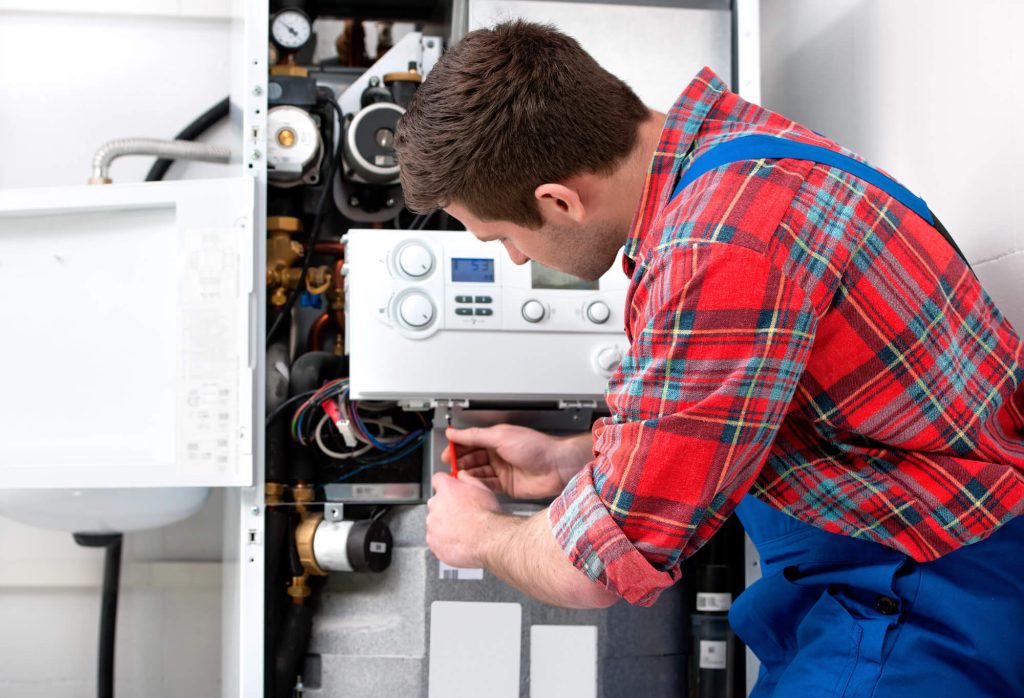
If you notice any of the signs mentioned above, or experience persistent issues with your hot water system, it’s time to consult a professional. Expert plumbers can accurately diagnose problems, offer solutions, and perform necessary repairs or replacements. So please don’t wait for a small issue to turn into a major problem. Regular maintenance and timely intervention can save you from costly repairs and ensure your hot water system operates efficiently, for longer.
For any concerns or to schedule a service, reach out to a trusted professional to keep your hot water system running as it should.