When you think about it, the taps in your home really do have it pretty tough. They must be available to work 24 hours a day, 7 days a week on call – whenever you need them, they need to be ready to go. And, when they aren’t working like they should or are a little noisy when they are turned on, we get super irritated… It’s a tough job!
In saying that though, when a tap is making unnecessary noise it can be both disruptive and annoying. That is why we thought we’d help you out with some reasons why it’s happening, and how to fix it! If you are worried in any way, we recommend speaking to your local plumber for some assistance. Or give Brisbane Plumbing and Drainage a call on 1300 616 203and we would be happy to assist.
Why is your tap being noisy?
The first question to consider is, why is your tap being noisy in the first place? There is a range of reasons this can occur, but the most common ones include:
The aerator may have mineral deposits in it.
The washers may be broken or the wrong size.
Tapware could be past its useful life.
The water pressure may be incorrect.
If your tap is noisy but none of the above seems to be the cause, it is best to get your local plumber in to take a look, as there may be something else going on that will require addressing.
What to look at when it comes to a noisy tap
If you have a tap causing a noisy problem in your home, take a look for one of the following causes:
The aerator
One of the first things to consider is the aerator. If you are wondering what an aerator is, don’t worry (you’re not alone) – an aerator is a small screen that can be found on the top of a tap. A super-easy way to see if your aerator is the problem is to remove it – unscrew it – and turn your tap on. If it is quiet, you’ve found the cause of all the noise and it will require replacement. Take your aerator to your local hardware store and you can likely find a replacement or something similar. Once you have a new aerator, put it back onto your tap and see if this solves your noise issues.
The washers
A super common cause of noisy taps is a broken or incorrectly sized washer. If this is the cause of your noisy tap though it is an easy fix – replace it! Only attempt this if you are confident with your skills and have the correct equipment. To check if the washer is the problem, turn the water supply off at the mains supply and carefully remove the top section of the tap. The washers can be seen after you remove the tap handle, so grab them out and take them to a hardware store for a replacement. Once you have purchased new washers, put your tap back together and turn the water back on at the main. Hopefully, it won’t be noisy anymore!
The system
This is a frustrating one but, if your taps are noisy, it may be that your tapware could do with an update. It is a common occurrence that tapware built into older homes weren’t designed for the needs of many households these days. If you have a feeling that this is why your plumbing system is making unnecessary noise, this isn’t something you can fix yourself – give a professional a call and they will be able to explain the available options to you.
The water pressure
Last, but certainly not least, check the water pressure. If it is quite high, this can cause quite a racket from your taps. You can test the water pressure by using a pressure gauge, which will indicate whether it is the problem. For reference, if your pressure gauge is reading around the 80 psi mark… you’ve likely found your issue. You will need to give your plumber a call to install a pressure regulator on your main water line, which should sort out the noise both now and into the future.
Get in the plumbing professionals
An alternative to all of the above is to call in the professionals to take a look – remember, they have the experience and tools suited to the job, as they look at plumbing issues all day every day. This allows them to provide specific advice as to the cause and the available solutions, saving you both time and effort. It is always safer to get the pros in too – they know exactly what they are doing, and have the exact equipment needed.
Your noisy tap specialists in Brisbane
If the taps in your home or business are causing a racket, give Brisbane Plumbing & Drainage a call on 1300 616 203 and we can assist with all your plumbing needs today.
Disclaimer: This page is to be used for informational reasons only. Any individual who chooses to undertake the above suggestions are accepting full and complete responsibility for any and all damages that may occur. It is strongly suggested that any plumbing works that are completed in your home or workplace are done so by an appropriately qualified tradesperson.
Why a $5 flexi hose is a ticking time bomb in your house?
Did you know that burst flexi hoses can leak up to 1500 litres of water per hour?
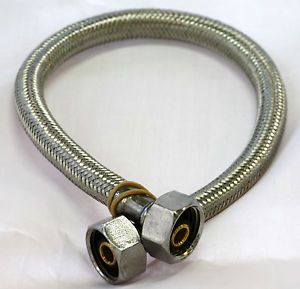
Flexi hoses can be a ticking time bomb and unless maintained regularly they can cause irreversible water damage to your house. Flexible hoses or braided stainless steel water connectors are popular in the Australian homes. They have replaced the some of the copper pipes and are commonly used in the kitchen and bathroom. Flexible hoses are cheap and versatile – but also the leading cause of water leaks.
Water-logging in your home from a leaking flexi hose can damage carpets, walls, furniture, and hard flooring, and flush thousands of dollars down the drain as well…
Regular maintenance is cheaper than damage repairs
According to reports by insurance companies -NRMA, Budget Direct, RACQ, IAG – flexi hoses are the primary cause of internal flooding in homes.
There have been many instances wherein the flexi hose burst while the residents were asleep. To their surprise, the whole house was flooded when they woke up. 1 out of 5 liquid claim to insurance companies is due to a burst flexi hose and the water damage claims can reach up to nearly $400,000. The damage caused by these leaky hoses can be very costly to fix and is totally preventable with regular maintenance.
Why do the flexi hoses fail?
DIY culture is quite popular in Australia and a lot of people attempt to do plumbing installations themselves. If the flexi hose is attempted by a DIYer, it can get stretched, twisted, loose or damaged causing the hose to break or burst within months of installation damaging the house.
Chemicals stored under the sink can cause the pipes to corrode. Many household chemicals contain chlorine which, released in the closed cabinet, will form hydrochloric acid which can cause corrosion in flexi hoses.
Chlorine in the water supply leaves behind a deposit of chloride and over time as the deposits build up can corrode the steel element. Over time, the steel part can begin to fail and cause the inner rubber lining to rupture causing the pipe to burst.
How to avoid a flexi hose bursting at your house?
Check flexi hoses regularly for damage, corrosion, rust marks, fraying, and kinks.
Flexible connectors should have a WaterMark Identification and certifier number.
Buy a good quality flexi hose and get it installed by a licensed plumber.
Get the flexi hose already installed in your house inspected by a professional plumber to ensure they are in good condition.
Install a pressure reducing valve to limit the pressure on the flexi hose.
Install a vent hole to allow ventilation and reduce chlorine levels in the closed cupboards where you store the household chemicals or consider storing them at another location.
Check the collar of the flexi hose for warranty – flexi hoses have been in the market for over 25 years. Earlier the warranty used to be 5 years and now they come with a warranty of 10 years. If the flexi hose installed in your house is reaching its warranty period or shows rust marks, bulges or kinks, get it replaced immediately by a qualified plumber.
Consider a maintenance schedule for the pipes, drains and appliances installed in your household.
Switch off the water supply from the mains when you are going away for a vacation.
Speak to a local plumber today
Regular maintenance is crucial to prevent water leaks from faulty flexible hoses, and much cheaper. Get in touch with your local plumbers in Brisbane on 1300 616 203 or complete the online booking form.
The plumbing Notifiable Work Laws allow plumbers to carry out certain jobs without receiving local government permit or mandatory inspection prior to work commencing.
The law came into effect on 1 November 2012 and allows all plumbers and drainers (licensed by the Plumbing Industry Council) to begin work essentially that day.
In the past, the approval process could take up to 20 days and cost up to $1600. The new laws profit you, our customer, by saving money and ensuring work can proceed at a faster rate.
QBCC Notifiable Work categories cover jobs such as:
extending or repairing water supply pipes on an existing building
repairing or replacing sanitary plumbing (toilets, vanity etc) in an existing building
some drainage work
installing or repairing temperature control devices – tempering valves or TMV’s
installation or repair of a hot water system
backflow prevention
greywater treatment plants
relocating plumbing fixtures
After completing any Notifiable Work your plumber or relevant person must complete the relevant forms (Form 4/4A) with the QBCC and pay the relevant fee within 10 business days.
For more information on the Queensland Building and Construction Commission (QBCC), Notifiable Work regulations visit the QBCC website – qbcc.qld.gov.au
Brisbane Plumbing and Drainage are fully licensed by the Plumbing Industry Council to perform all installations, alterations, and renovations throughout your home or business. We not only are up to date with the new laws set in place; we also have taken full advantage of what this means to our customers.
Your local Brisbane Plumber
Brisbane Plumbing and Drainage Services provide a comprehensive and legally up to date plumbing services in Brisbane, we can begin to assist you the day you contact us.
If you’re a buyer looking to purchase a property or a homeowner looking to sell you do have one piece of serious kit in your arsenal and that’s a Home Inspection report. Obtaining an HI report is an essential part of buying a property and a wise move for those looking to sell. It tells homeowners that they might have a potential plumbing or drainage problem so that they can carry out repairs before market to avoid losing a sale. Or at the very least, are aware of it, so that the price can be adjusted accordingly or potential buyers notified. It also helps buyers make a fully informed purchasing decision.
When it comes to plumbing problems, unfortunately, some are more common than others and the likelihood of whether or not they’re going to show upfront and centre on your report depends on a series of factors. The age of your property, plus the quality of workmanship and materials used to repair or install a plumbing system all play a significant part in it. That said, there are a few common occurrences that tend to show up time and time again.
DIY nightmares
In this age of Do It Yourself and cost-cutting there are more than a fair share of shoddy DIY plumbing nightmares that continually show up on HI reports.
Plumbing work that doesn’t meet industry regulations or is carried out by unlicensed people has the potential to derail an otherwise straight forward sale. So if you do decide to DIY anything more involved than changing a tap washer you could be setting yourself up for a lost sale or costly repairs down the track. Always use licensed, insured plumbers for any plumbing work around your home to ensure it is compliant and carried out in line with all relevant regulations.
Pipe or drain damage
Pipe damage or decay is one of those areas that can go undetected until a home building inspection is carried out. It’s often more of a problem in older homes where outdated piping materials, cracked or decayed pipes, or leaking fixtures and waste lines are often the norms rather than the exception.
Evidence of water damage
One other issue that often tends to appear regularly on a Home Inspection report is evidence of water damage. Problems such as patches of damp, mould, mildew, and fungus and rotting wood are all signs that your property has sprung a leak at some point.
If you’re in need of a 24-hour emergency plumbing service or simply need a plumber to check out your pipework, then give Brisbane Plumbing and Drainage a call. We have the expertise and the solutions to satisfy all your plumbing needs. Contact us on 1300 616 203 or complete our Job Booking Form for a seriously competitive quote.
As the summer weather approaches and it begins to warm up in Brisbane, homeowners are starting to come out of their winter hibernation to get stuck into a bit of maintenance around their properties. One of the essential tasks to carry out before the summer storm season is upon us is drain cleaning.
No, we’re not suggesting you bulk buy chemical drain cleaner to get your drain squeaky clean (don’t do this), rather scheduling a few general cleaning tasks to ensure your stormwater system efficiently removes the rainwater from around your home. This process is very important to prevent flooding and water damage to the property.
Important pre-storm season drain clearing tasks
Keeping your home stormwater systems running freely is actually pretty simple. Our drainage specialists recommend you start from the top.
Clear roofs and guttering – removing the build-up of leaves, sticks, and debris from the roof and gutters. And check your downpipes for any blockages.
Remove garden debris from drains – ensure the drain at the base of the downpipe as well as any grates, flow way pits, or drainage channels around your yard are free of dirt, leaves, and garden debris.
Repair any damaged areas of roof, guttering or downpipes – to avoid water getting into areas of your home it is not supposed to.
Trim overhanging branches – remove branches or foliage that hangs over the roof area of your home to prevent damages during a storm or strong winds.
Book a professional drain inspection
A plumbing inspection using a specially designed CCTV drain camera can accurately identify any blockages or drain damage in the areas of your stormwater drainage system that you can’t easily see.
Your drainage specialist can clear any partial blockages they find using methods like water jetting. Water jetting uses high-pressure water to break up any clogs clearing the drain. This method is much more environmentally friendly than chemical drain cleaners and a lot more effective.
Check your insurance
Make sure your home insurance is up to date and that you have adequate flood or storm damage cover.
Drain maintenance for businesses
These tasks don’t just apply to homeowners, business owners should also review and maintain the stormwater systems around their commercial property to avoid damage and protect workers and stock throughout the summer storms.