
17 Jan 2022
Thermostatic Mixing Valve VS Tempering Valve: What’s The Difference?
It is easy to get confused when you are researching hot water components for your property. There are many different parts, fittings, and compliance rules that go into a modern plumbing setup, and it can sometimes feel like plumbers are speaking a completely different language!
One of the most common points of confusion for homeowners and building managers alike is understanding temperature control. The wonderful little device that helps achieve the right hot water temperature is either a tempering valve or a thermostatic mixing valve, which can easily be mixed up but are actually two different things. Let’s take a look at both options to help clear up any confusion.
What is a thermostatic mixing valve?
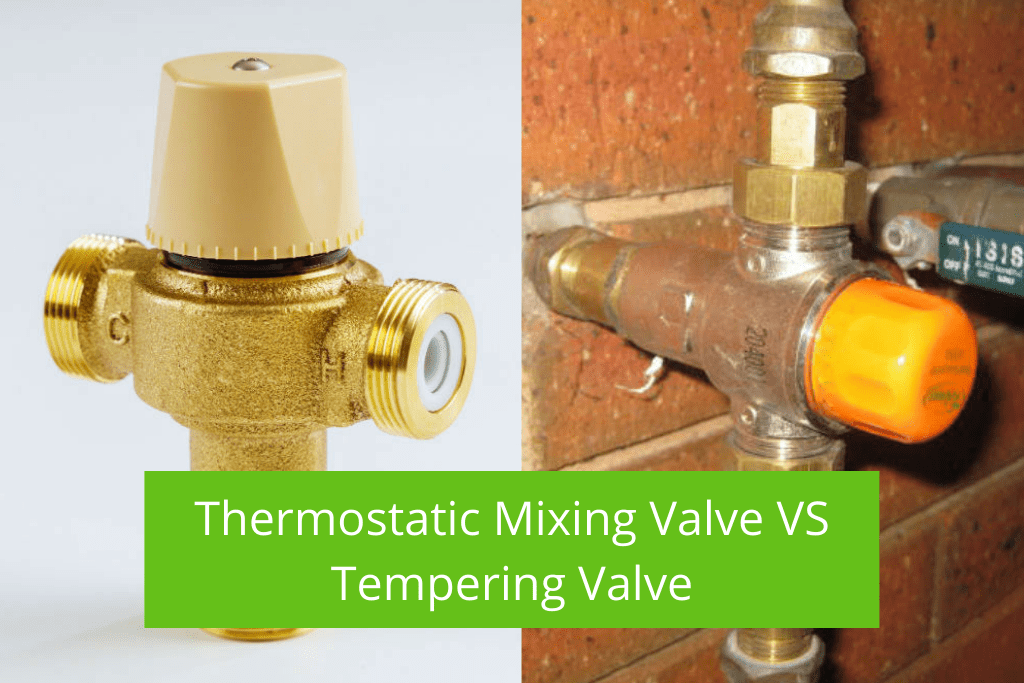
A thermostatic mixing valve, or TMV, is a great little gadget that blends both hot and cold water together to achieve a particular, predetermined water temperature when delivering water through a faucet.
How does a thermostatic mixing valve work?
A TMV works by mixing hot and cold water together to achieve a particular temperature (within 1°C +/-) to be delivered in various fixtures. The temperature is usually preset by a fully qualified plumber who has installed the device, and the element within a TMV that is sensitive to thermal activity automatically arranges the appropriate levels of hot/cold water to create the correct temperature of the liquid.
Modern TMVs are incredibly smart; if the cold water supply fails for any reason, the valve features an automatic fail-safe mechanism that shuts off the water flow instantly to prevent dangerously boiling water from hitting the tap.
What is a tempering valve?
A tempering valve is a temperature-sensitive 2-inlet or 3-inlet mixing valve which pulls water from your hot water system, mixes it with cold water and delivers it to a faucet.
According to the ABCB under the National Construction Code, these devices are a mandatory safety defense in all residential properties to prevent severe scalding accidents.
How does a tempering valve work?
Tempering valves are adjustable and temperature-activated, meaning they moderate hot water flow when necessary to ensure water isn’t too hot when it is delivered to a tap. Hot water that is stored in a hot water storage system should be kept at a temperature of at least 60°C to prevent bacteria growth, however, water should be delivered through a residential faucet at a maximum of 50°C. A tempering valve works by blending hot water with cold water so it flows through your tap at the correct temperature, within 3°C +/-.
The industry uses colour-coded caps to match the valve to the system type: blue caps are best for standard electric tanks, green for gas systems, and orange for high-performing solar or heat pump setups where incoming water can approach boiling.
What is the difference between a thermostatic mixing valve and a tempering valve?
Despite a TMV and a tempering valve having similar jobs, there are some differences between them including:
- Accuracy: Tempering valves are accurate to approximately 3°C +/- but TMVs are accurate to around 1°C +/-.
- Cost: TMVs are more expensive to purchase and install than tempering valves.
- Response Speed: TMVs are much quicker to respond to incoming water pressure and temperature fluctuations.
- Lifespan & Maintenance: TMVs last longer than tempering valves and are generally repaired where possible, whereas tempering valves are usually replaced entirely when they stop working.
- Licensing: Plumbers must have a specific endorsement on their license to install and test TMVs (like us!), whereas a standard tempering valve can be installed by any qualified plumber.
- Fail-safe Protection: TMVs will shut down entirely if the cold water pressure drops out completely, whereas a basic tempering valve does not offer the same level of instant thermal shutdown.
Where can each be used?
Both TMVs and tempering valves can be used in varying environments including:
- Thermostatic Mixing Valve (TMV): TMVs are generally used in commercial environments or facilities that cater to high-risk persons, such as children, the elderly, and the sick, requiring a lower water delivery temperature (usually 45°C as a maximum). This includes schools, childcare centres, hospitals, and aged care facilities.
- Tempering Valve: Tempering valves are generally used in residential homes for personal hygiene purposes, where water delivery is a maximum of 50°C.
According to hot water compliance codes outlined on energy.gov.au, installing a temperature control device is a strict legal requirement in Australia whenever a new hot water system is installed or replaced. This ensures water is stored hot enough to kill dangerous Legionella bacteria, while guaranteeing it leaves the tap at a safe, non-scalding temperature.
Brisbane’s hot water experts can help
Whether you need a tempering valve replaced on your home hot water system, or a commercial TMV tested and certified for compliance, it is a job that must be handled by licensed professionals. Our fully qualified Brisbane plumbers are available 365 days a year. We also specialise in complete commercial plumbing services to ensure your business remains fully compliant with local health regulations.
Call us on 1300 616 203 or in touch with our friendly team to book your service today!