by BPD Team | Mar 25, 2024
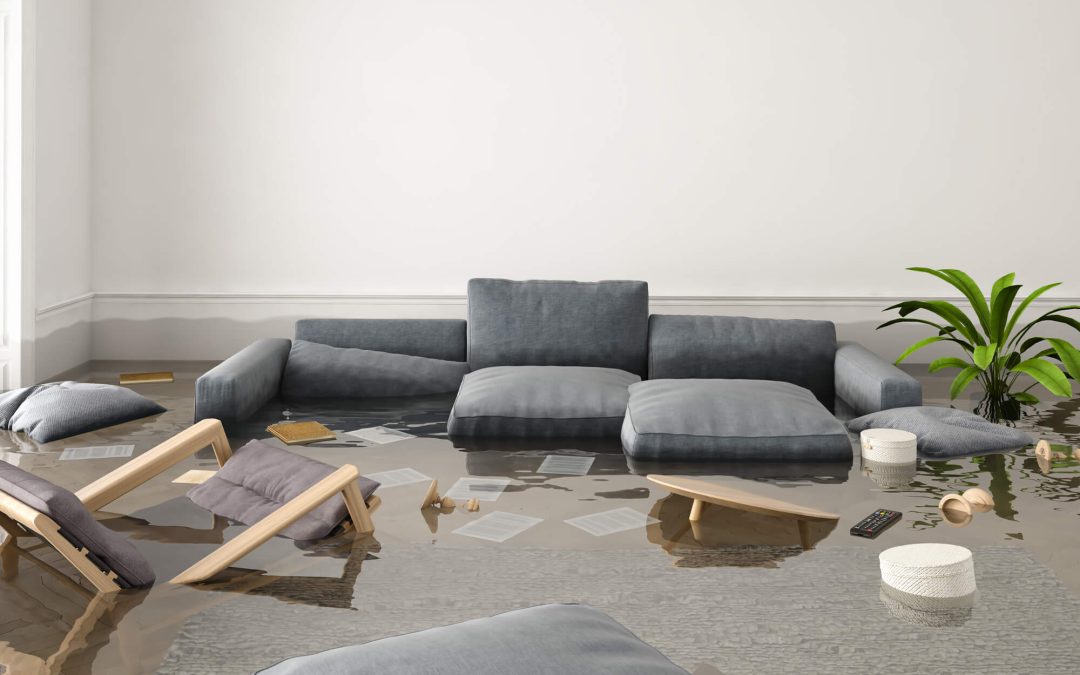
Water leaks can wreak havoc on homes, causing damage that is not only costly but also emotionally stressful for homeowners. You may find yourself having to move out of your own home while repairs are being made, or perhaps even cancel your family holiday to help fund the restoration.
From hidden leaks causing structural issues which are hard to detect, to sudden bursts of significant flooding, dealing with water damage is a challenge that many homeowners will face at some stage in their lives, albeit in varied capacities.
Navigating the insurance claims process adds another unnecessary layer of complexity to an already difficult situation.
In this comprehensive guide, we’ll explore the challenges homeowners encounter when dealing with the nuanced process of filing water leak insurance claims. We’ll provide valuable insights into understanding insurance policies, documenting evidence effectively, and seeking professional assistance to ensure a successful outcome.
Water Leak Damage and Insurance Claims: Understanding the Problem
Water leaks pose a significant threat to homes, often resulting in extensive damages that can be both costly and disruptive. From structural issues to ruined furnishings, the repercussions of water leaks can be insurmountable for homeowners and in some instances, damage a property beyond repair.
One of the primary challenges associated with water leaks is the difficulty of detecting them. Often, leaks occur within concealed areas or go unnoticed until the damage becomes severe.
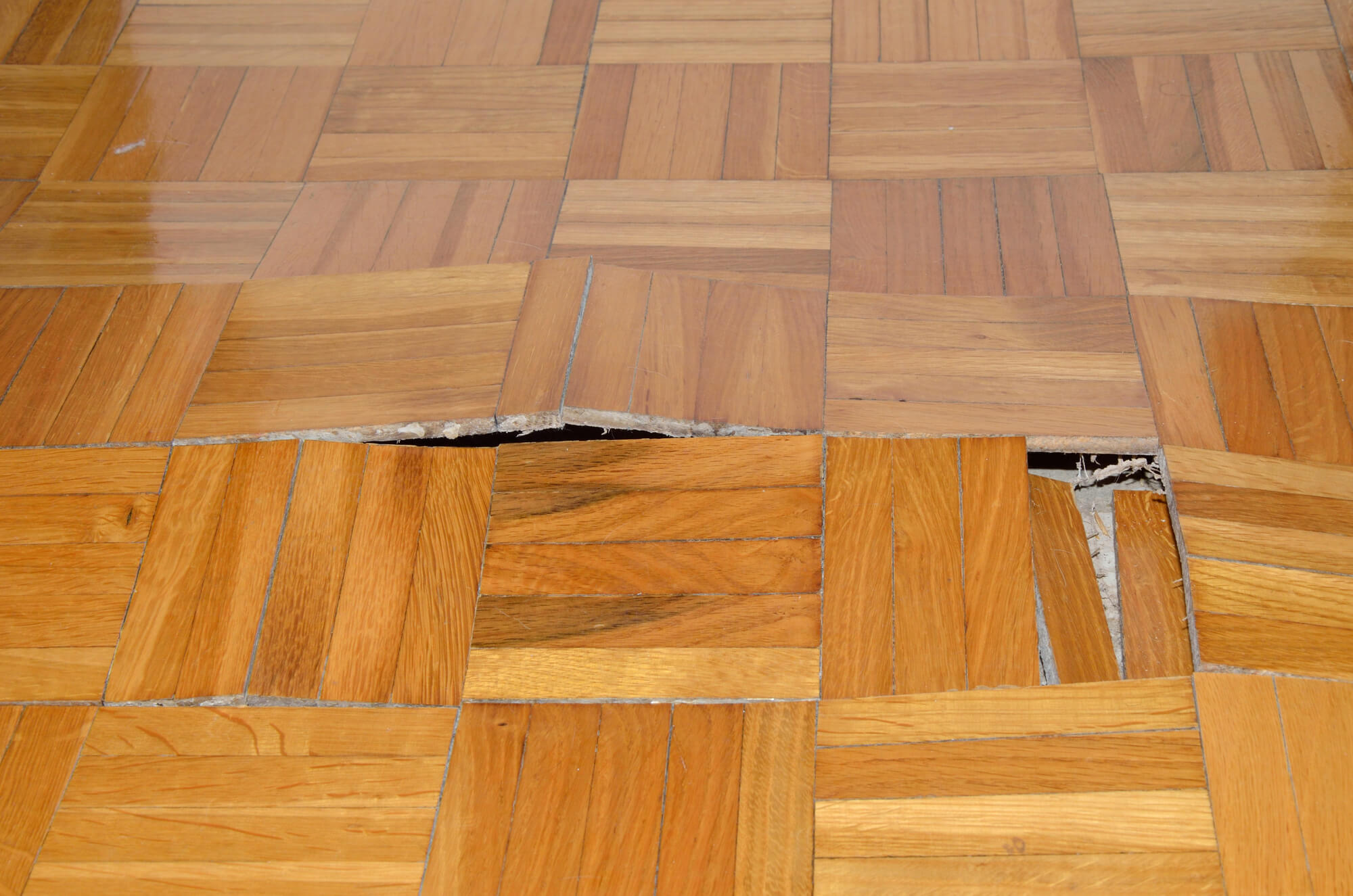
Prolonged exposure to water from a hidden leak can weaken the structural integrity of a home over time, leading to issues such as rotting wood, warped floors, and compromised foundations.
Repairing water damage is often very expensive, especially if the leak goes undetected for an extended period. The costs can quickly add up when water slowly deteriorates the wooden frame of your property, or the electrical components. Even mould remediation is a costly necessity and damaging to your health.
Understanding Insurance Policies
When it comes to coverage for water damage and leaks, navigating the insurance claims process can be rather tricky. In Australia, most home insurance policies include clauses covering losses due to the escape of liquid, such as water leakage from plumbing, fixtures, or appliances. However, there are crucial distinctions within these policies that homeowners need to understand.
While insurance policies typically cover losses caused by sudden or accidental water leakage, they may not provide coverage for damage resulting from gradual wear and tear or pre-existing issues. For example, damage caused by corrosion, mould, or rust may not always be covered under standard policies.
It’s essential for homeowners to thoroughly review their insurance policies to understand the extent of coverage for water damage and leaks. By gaining a clear understanding of their policy’s terms and limitations, homeowners can better prepare for the claims process and ensure they receive the compensation they’re entitled to.
Complications of Water Leak Claims: Navigating the Challenges
One of the most significant complications homeowners face when dealing with water leak claims is that they have identified the leak too late. Delayed detection of leaks can exacerbate damages, making it more challenging to file successful insurance claims with a provider. Insurance companies may view delayed detection as negligence on the part of the homeowner, which can potentially lead to claim denial or reduced compensation. It is therefore crucial for homeowners to regularly inspect their properties for leaks to avoid delayed detection.
Navigating the Claims Process
We’re sympathetic to the fact that the claims process for water leak damages can be arduous and time-consuming. From documenting the extent of the damage to proving the source and severity of the leak, homeowners must navigate through various steps to file a successful claim. Insurance companies often require detailed documentation, including photos, videos, and written descriptions of the damage. Additionally, homeowners may need to provide evidence of their efforts to mitigate further damage, such as shutting off the water supply.
Throughout the claims process, homeowners must work closely with their insurance company and claims adjuster to ensure all requirements are met. The insurance company plays a crucial role in evaluating claims and determining the extent of coverage, which can add complexity to the process.
There is also the potential for your claim to be denied. It’s no doubt that denied claims or perhaps even inadequate compensation can add to your woes. In some cases, claim denials may result from misunderstandings or misinterpretations of policy terms. It’s essential for homeowners to therefore be somewhat financially and mentally prepared for this eventuality, and to seek clarification from their insurance company in advance on their policy cover and the finer terms and conditions.
Ensuring a Successful Water Leak Insurance Claim: Proactive Solutions
- Early detection: the importance of early leak detection cannot be overstated when it comes to safeguarding your home and simplifying the insurance claim process. Detecting leaks early allows for prompt intervention, minimising damage and reducing the likelihood of claim complications. Regular inspections and proactive leak detection measures are essential for homeowners to stay ahead of potential water damage issues.
- Leak inspections: at Brisbane Plumbing and Drainage, we offer comprehensive leak detection services designed to identify leaks early and prevent costly damage to your home. Our team of skilled professionals utilises advanced technology and techniques to detect even the most elusive leaks, allowing for timely repairs and proactive maintenance. You can learn more about our professional leak detection services here.
- Document the evidence: in addition to early detection, thorough documentation is key to a successful water leak insurance claim. When documenting evidence of the leak and resulting damage, be sure to take clear and detailed photographs, make written notes of observations, and seek professional assessments when necessary. It may even be beneficial to invite your neighbour over as a witness to the property. This detailed documentation, seemingly excessive, will nonetheless serve as crucial evidence to support your claim and ensure you receive the compensation you deserve.
- Review your policy in advance: take the time to review your policy documents carefully as well, paying close attention to coverage limits, exclusions, and any additional endorsements related to water damage. If you have any questions or concerns about your policy, don’t hesitate to reach out to your insurance provider for clarification – they won’t come to you!
- Follow up on your claim: effective communication with your insurance provider is essential throughout the claims process. Be proactive in following up on your claim, providing any additional documentation or information requested, and staying informed about the status of your claim. By maintaining open lines of communication, you can ensure a smooth and timely resolution to your water leak insurance claim. Leave your phone on loud!
In addition to these proactive solutions, professional plumbers can play a valuable role in the insurance claims process. Not only can they detect and repair leaks efficiently, but they can also provide essential documentation and expert advice to support your claim. By enlisting the help of experienced plumbers like Brisbane Plumbing and Drainage, homeowners can navigate the claims process with confidence and peace of mind.

Safeguard Your Home and Ensure Peace of Mind
In conclusion, making a successful water leak insurance claim requires prompt action, thorough documentation, and professional assistance. By detecting leaks early, documenting evidence meticulously, and understanding your insurance policy, homeowners can increase their chances of a favourable claims outcome. Additionally, enlisting the expertise of professional plumbers can streamline the claims process and provide invaluable support every step of the way.
At Brisbane Plumbing and Drainage, we understand the importance of protecting your home and ensuring peace of mind, especially during the insurance claim process. Our leak detection services are designed to identify leaks early, preventing costly damage and simplifying the claims experience for homeowners.
Don’t wait until it’s too late – contact us today to schedule a comprehensive leak detection assessment to safeguard your home, family, and wellbeing.

by BPD Team | Feb 19, 2024
Homeowners often have trouble with clogged drains, which are often caused by not getting rid of cooking oils properly. When these things go down the drain, they might not seem harmful, but over time, they can harden and cause clogs. Not only is proper oil disposal important for the health of your plumbing, but it’s also good for the earth.
At Brisbane Plumbing and Drainage, we understand the importance of maintaining healthy plumbing systems. We offer dedicated services, including emergency plumber services, to help homeowners tackle these issues promptly.
Why Cooking Oils are a Hazard to Your Plumbing
Cooking oils are a big problem for your plumbing and the environment. While they don’t appear to be a problem when hot, they solidify into a viscous goo that clings to your pipes after they cool. If this buildup stays in your drains for too long, it can block them and cause other plumbing problems.
Oils from cooking do not simply dissolve when poured down the drain or flushed down the toilet. As they move through the sewer system, they combine with other things, making clumps that block pipes and cause backups. Overflowing sewage systems pose a threat to ecosystems and water sources.
What Happens When Cooking Oil Goes Down Your Drain
Pouring cooking oil down the drain causes problems for you and everyone else in the neighbourhood. It can damage the water system as a whole.
For starters, it’s making the water source contaminated. In short, it builds up in the sewers and gets into the groundwater. It will then grow bacteria that are harmful to both plants and animals.
If cooking oils enter lakes or rivers, they can form a film on the top that keeps plants and animals from getting enough sunlight. Also, the harmful chemicals in cooking oils can damage the water, which is bad for animals. Because of how its molecules are structured, cooking oil is also extremely toxic for our plants.
When you pour used cooking oil down the drain, you endanger wildlife and cause damage to your home. Compared to other problems, it requires significantly more time and energy to handle. In short, the loss costs a lot.
When it backs up your drains, it will make your home smell bad and put the health of anyone who lives there with you at risk. Also, bugs will be drawn to it. After that, there’s the damage to the property. You will have to pay a lot to clean up and fix the pipes.
Common Mistakes in Cooking Oil Disposal
People make mistakes when trying to get rid of cooking oil because they don’t know how dangerous it is to do it incorrectly. Many people make these mistakes without realising it, which leads to water problems and environmental damage. These are some common mistakes:
Pouring Down The Sink, Toilet, Or Drain
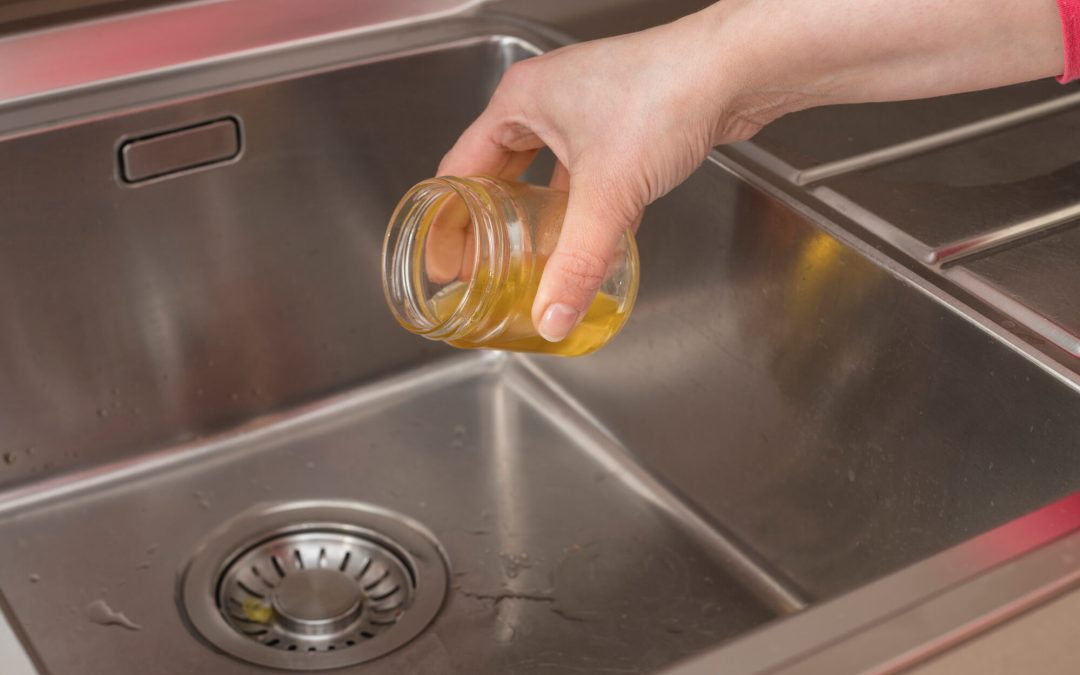
One of the most common mistakes people make is putting used cooking oils straight down their drains. This is bad for the drains in the kitchen sink, the toilet, and the bathtub. When the oils are hot, they can flow easily, but when they cool, they harden and stick to the inside walls of the pipes, slowly stopping the water flow. This buildup can finally cause clogs that need expensive repairs.
Washing Off With Hot Water
While it may seem like you can safely pour frying oil down the drain after briefly emulsifying it with hot water, this is still not a suggested practice. In the end, the oil will cool down and harden inside the pipes, making them clog. It is best to stay away from this sort of thing completely.
Using Soap Or Detergent
Another false belief is that dish soap or detergent can dissolve cooking oils and keep drains from getting clogged. Even though these cleaners might help remove grease and grime from surfaces, they don’t fully mix oils with water. So, even if you use soap or detergent, the oils can still build up in the pipes and cause them to get clogged.
Burying It In Your Backyard
Getting rid of cooking oil by burying it in the yard is not a good idea. The oil can still get into the ground harming the environment. It’s better to eliminate it in one of the suggested ways, like recycling or taking it to a designated collection place.
Throwing Away Used Cooking Oil In The Regular Waste Bin
Throwing away small amounts of cooking oil in regular trash is possible, but this is not the most eco-friendly choice. If you pour oils into the trash can without putting them in a container that won’t leak, they could leak and spill, making a mess and bringing bugs.
Also, leaks from the garbage bags could contaminate the landfill.

Best Practices for Cooking Oil Disposal
To avoid plumbing problems and reduce environmental effects, it is vital to dispose of cooking oil properly. Here are some tips that homeowners can use to ensure that cooking oils are thrown away safely and correctly.
Properly Store And Then Throw Away With Other Household Trash
Most people do this since it is considered appropriate to store wasted cooking oil and later dispose of it with other household garbage. Nonetheless, you need to remember some things and follow certain procedures.
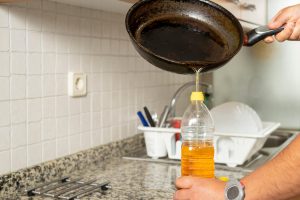
- Before you pour the spent oil into another container for disposal, ensure it’s cool enough.
- Put it in a plastic bottle, takeout box, or empty milk box once it has cooled enough to seal.
- Make sure to seal the containers tightly.
- After it’s sealed, throw it in the trash with your other food scraps.
Those who would rather not deal with used cooking oil as a liquid waste might simply freeze it. Used cooking oil takes approximately one day to freeze solid.
Instead of putting spent cooking oil in a plastic bag, consider reusing the container and putting it in the trash can. Because of their lack of durability, plastic bags pose the risk of used oil leaking out.
Recycle Used Cooking Oil
To ensure environmentally friendly and plumbing-safe disposal of used cooking oil, recycling through programs like Planet Ark Recycling offers a sustainable solution. This method diverts oil from waterways and landfills, repurposing it into valuable products such as biofuels, cosmetics, and animal feeds. Recycling with Planet Ark is straightforward: collect the oil in a container and locate a nearby facility accepting it. This practice not only protects plumbing but also contributes to a circular economy, minimising environmental impact. For more detailed guidance on proper disposal practices, visiting the Planet Ark website is recommended.
Combine With Compost
If you have any leftover cooking oil, adding it to your compost pile is a great way to dispose of it. They are great for composting since earthworms adore them, in case you didn’t know. Consequently, adding it to your compost pile is a win-win for the environment and everyone’s health.
Before you decide to compost your cooking oil, do your homework. You risk adding too much frying oil if you don’t.
Excess cooking oil can attract earthworms to the point where “hydrophobic barriers” are produced. Hydrophobic barriers limit the ground’s ability to receive air and water.
Use Strainers Or Grease Traps
Kitchen sink strainers or grease traps are essential for preventing food debris and oils from entering the pipes. Preventing accumulation and keeping these devices effective requires regular maintenance.
One way to keep plumbing problems at bay is to ensure everyone in the family knows to use strainers or grease traps and dispose of the garbage correctly.
To further safeguard against oil and grease accumulation, you might think about putting a grease trap beneath the sink. To keep drains clear and clog-free, it is essential to regularly clean and grease traps.
How To Clean Up After a Slip-Up
If you accidentally pour cooking oil down the drain, you must do something immediately.
How To Clean Up A Spill Of Cooking Oil
If you make a mistake and pour cooking oil down the drain, there are things you can do to fix the problem.
First, if you see the spill immediately, pour hot water down the drain to help break up the oil and flush it out. Another natural way to clean is to mix baking soda and vinegar and pour the mixture down the drain. This mix can help get rid of oil and grease buildup.
Let it sit briefly before running hot water down the drain. A plunger can also clear out any jams that may have formed.
When To Get Help From A Pro
But if the problem persists despite your efforts, you might need to call a plumber.
If you get clogs, smell a bad odour from the drain, or notice slow draining in several fixtures around the house, it’s time to get professional help. If you ignore these signs, you could have bigger water problems that will cost a lot to fix.
If you’re facing any of these issues, don’t hesitate to ask for immediate help with clogged pipes.

Preventive Measures to Keep Your Pipes Clean
Clogged drains are unpleasant for everyone, but the hassle and inconvenience they cause are unpleasant. Fortunately, clogged drains are avoidable with only a few easy precautions. Keep reading to find more ways to prevent clogs and save time and money by limiting drain buildup.
Pay Attention To What You Dispose Of.
The best strategy to avoid clogged drains is to watch what you put down the drain. Take extra care not to flush foreign objects down the toilet, including hair, food scraps, personal care items, and even tiny objects.
Make Drain Cleaning A Regular Habit.
Paying close attention to what goes down the drain includes keeping the drains clean regularly. It is important to clean the strainer or stopper regularly to prevent hair and food debris from being caught in the drain and clogging it. Clean the strainer regularly, removing any food leftovers or hair from humans or pets.
Do A Leak Check On Your Pipes.
Another common reason for clogged drains is leaking pipes, so inspecting your pipes for signs of damage is wise. Clogs are the result of water pooling in pipes that are leaking. To ensure your plumbing is in good functioning condition, contact a professional plumber immediately if you notice any leaks.
Inspect Your Sewer Line.
In most cases, a problem with the home’s pipes is the root cause of a clogged drain. The problem could, however, be associated with something like a clog in the sewer system. Get a plumber to look for clogs in the sewer line if you can’t unclog the drain.
Get New Pipes.
Pipe replacement is a smart choice if your pipes are old and deteriorated. If you do this, you can be confident that your drains will be free of obstructions and functioning smoothly.
Maintain The System Regularly.
You should also regularly maintain your pipes and clean your drains. In the long run, this can help maintain your plumbing system clear of obstructions. Keep an eye on your home’s pipes and quickly fix any problems you find.
Find A Professional Plumbing Service.
Professional plumbers can help keep drains from clogging by removing waste and debris built up over time. Clogs can be fixed and stopped before they start by using heavy-duty tools and professional-strength chemicals.
Professional plumbers can also look for leaks and clogs, fix small problems, and eliminate any grease that builds up over time and causes drains to get clogged. Cleaning the drains regularly can help keep the drains clear so that clogs don’t stop the water flow.
Conclusion
Getting rid of cooking oils correctly is important to keep water systems working well and avoid clogs. If you don’t do this, it could cost a lot to fix and cause you much trouble.
At Brisbane Plumbing and Drainage, we provide solutions for maintaining healthy plumbing systems, including prompt emergency services when needed. Our team of experienced plumbers is committed to delivering exceptional service and ensuring customer satisfaction with every job.
Don’t wait until a minor issue becomes a major problem. If you’re experiencing plumbing issues or want to learn more about our services, visit our emergency plumber service page today. Our team is ready to assist you and provide the expertise to resolve any plumbing emergency efficiently.
Schedule a service or contact us for more information – your plumbing system deserves the best care possible.
by BPD Team | Feb 14, 2024
Water leaks can wreak havoc on properties of all types, leading to costly damage and higher water bills. Detecting these leaks early is crucial for homeowners to mitigate the potential risks and expenses.
In this comprehensive guide, we’ll delve into the importance of identifying water leaks and how you can take proactive measures to address them. Our aim is to empower you with the knowledge and resources necessary to safeguard your property, including guidance on when to seek professional assistance.
Understanding Water Leaks
Water leaks pose significant challenges for both residential and commercial properties and are often unforeseen for weeks or sometimes even months, leading to higher costs and severe material damage. Identifying the common causes of water leaks is necessary for homeowners and property managers in preventing and mitigating these potential risks.
Common Causes of Water Leaks
- Aging plumbing systems: over time, wear and tear can cause deterioration of pipes and fittings, leading to leaks.
- High water pressure: excessive water pressure can strain plumbing fixtures and cause pipes to develop leaks.
- Corrosion: certain elements in water can corrode pipes, resulting in leaks and pipe failures.
- Freezing temperatures: during cold weather, frozen pipes become rigid and can burst.
- Poor installation: improper installation of plumbing fixtures and fittings can result in leaks over time – sometimes so minor they’re hard to detect.
- Tree root intrusion: tree roots can penetrate underground pipes, causing blockages and leaks.
- Fixture malfunctions: faulty appliances, such as dishwashers and washing machines, can develop leaks if not properly maintained as well.
Impact of Undetected Leaks
Undetected leaks can have far-reaching consequences, affecting both water bills and property integrity. Persistent leaks can result in:
- Increased water bills: even small, unnoticed leaks can lead to a significant increase in water consumption, driving up monthly bills.
- Property damage: water leaks can cause structural damage to walls, floors, and ceilings, leading to costly repairs.
- Health and safety hazards: mould and mildew growth resulting from water leaks can pose health risks to occupants, exacerbating respiratory issues and allergies. In extreme cases, severe damage to property can threaten the structural integrity of a building.
Signs of Water Leaks
Its important homeowners remain vigilant for indications of water leaks. Recognisable signs that require your attention include:
- Unexplained increases in water bills without changes in usage patterns.
- Visible water damage, such as stains, discoloration, or bulging areas on walls, floors, or ceilings can indicate water infiltration.
- Audible signs of water flow, such as dripping or running water.
- Musty odours in specific areas may also indicate leaks.
- Puddles, wet patches, or damp areas around plumbing fixtures or on floors.
Understanding these common signs of water leaks can help homeowners take proactive measures to address issues promptly, hopefully minimising the damage and expense.
Types of Water Leak Detection Tools
Technology is there to help! Various tools are available to help homeowners and property managers identify and locate leaks efficiently. Some common tools include:
Acoustic Detectors
Acoustic detectors utilise sensitive microphones to listen for the sound of water escaping from pipes or fittings. Companies such as Hydrographic Technologies offer reliable acoustic detection devices that can accurately pinpoint the source of hidden leaks, even through walls or floors.
Infrared Thermography
Infrared thermography, or thermal imaging, detects temperature variations associated with water leaks. Devices from reputable brands like FLIR capture infrared radiation emitted by objects and translate it into thermal images.
Electronic Leak Detectors
With these, sensors detect moisture levels in building materials and surfaces. Brands such as CPS Products Australia offer handheld devices that emit audible or visual alerts when they detect elevated moisture levels, indicating the presence of a leak. These detectors are versatile and suitable for various environments, including walls, ceilings, and floors.
Smart Home Water Leak Detectors
Smart home water leak detectors provide real-time monitoring and alerts for potential leaks. Revolutionary devices, such as Flo by Moen, connect to smartphone apps via Wi-Fi or Bluetooth. It can detect abnormal water flow patterns and send instant notifications to users, allowing them to take immediate action.
DIY Leak Detection vs. Professional Leak Detection Services
When it comes to identifying water leaks, homeowners often face the dilemma of choosing between DIY methods and professional services. While DIY approaches are often cheaper, they may not always deliver the precision and reliability required to uncover hidden leaks effectively. To emphasise this, let’s weigh these two detection methods against one another.
DIY methods are known for their cost-effectiveness, typically involving simple tools or techniques that are readily accessible over-the-counter. Homeowners can conduct inspections at their own pace (and convenience) without having to schedule appointments or wait for professional assistance as well. However, detection accuracy may be compromised, as DIY tools like visual inspections or basic leak tests might not consistently identify the precise source of hidden leaks, potentially leading to false positives or inaccuracies. A lack of expertise is a notable drawback too, as homeowners may not possess the specialised knowledge to detect leaks in intricate plumbing systems or concealed locations – such as underground pipes or within walls.
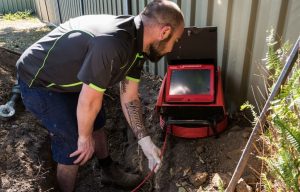
By contrast, professional leak detection technicians offer invaluable expertise and experience, often with years of experience, and are adept at employing advanced tools and techniques to pinpoint even the most elusive leaks accurately. Equipped with and trained to use advanced equipment such as acoustic leak detectors, infrared thermography, and video pipe inspection cameras, professionals can identify leaks with near total precision. Hiring a professional instils that peace of mind not possible with DIY methods.
Preventing Future Leaks
To avoid the inaccuracies and unreliability associated with DIY leak detections, implementing preventive measures and maintenance routines can help homeowners in advance of calling the professional. Here are some best practices to include in your next set of chores:
Regular Inspections
Conduct routine inspections of plumbing fixtures, appliances, and visible pipes to check for signs of leaks, such as dripping faucets, water stains, or dampness. Inspect flexi hoses and connections regularly for wear and tear and replace them as needed to prevent leaks. Check for signs of water damage on ceilings, walls, and floors, and address any issues promptly to prevent further damage.
Maintenance Routines
Clean air conditioner filters regularly to prevent blockages and potential leaks from frozen coils. Insulate outdoor faucets and exposed pipes to protect them from freezing temperatures during colder months, which can lead to burst pipes and water leaks. Ensure proper drainage around your home or building to prevent water from pooling near the foundation, which can lead to leaks in basements or crawl spaces.
Leak Detection Technology
Invest in smart home water leak detectors, which can provide real-time monitoring and alerts for potential leaks. Consider installing a water flow monitoring system, which can detect abnormal water usage patterns indicative of leaks and help identify potential issues early.
Professional Maintenance
Engage professional leak detection services periodically to conduct comprehensive assessments of your plumbing system and detect hidden leaks using specialised equipment and techniques.

Our Leak Detection Services
At Brisbane Plumbing and Drainage, we understand the importance of promptly detecting and addressing water leaks to protect your home or commercial property from damage. With our comprehensive leak detection services, we strive to provide you with peace of mind and reliable solutions to your plumbing needs.
Utilising state-of-the-art tools and advanced detection technology, we offer a range of leak detection services tailored to meet your specific requirements. Whether you’re dealing with a hidden leak behind walls or floors, a malfunctioning irrigation system, or a leaking pipe underground, our team’s depth of expertise is well positioned to address the issue effectively.
Moreover, our team of licensed plumbers and technicians undergoes regular training to stay updated on the latest techniques and industry best practices in leak detection and repair. We prioritise professionalism, reliability, and customer satisfaction in every service we provide.
If you suspect a water leak in your home or commercial property, don’t wait until it escalates into a costly problem.
Conclusion
Timely detection of water leaks is paramount to safeguarding your home or commercial property from costly damage and inconvenience.
From acoustic detectors to infrared thermography cameras and smart home water leak detectors, the options for leak detection tools are diverse. However, when it comes to ensuring comprehensive and accurate leak detection, consulting a professional plumbing service is key.
We understand the importance of prompt leak detection and the impact it can have on the integrity of your property. Our team of licensed plumbers and technicians is equipped with the expertise and tools necessary to detect and address leaks efficiently and effectively.
by BPD Team | Jan 15, 2024
You’re a proud owner of a Rinnai hot water system. It’s a reliable and efficient solution for all your hot water needs. However, like any appliance, it might have its off days.
In this comprehensive post, we’ll walk you through a series of simple steps to diagnose and potentially fix common issues affecting Rinnai hot water systems. From fluctuating water temperatures to higher-than-expected water usage, we’ve compiled easy-to-follow solutions that could save you time and money.
Troubleshooting is key to keeping it running smoothly and efficiently. This ensures you’ve always got that hot shower waiting for you.
Rinnai Hot Water Systems
Rinnai stands at the forefront of providing innovative and energy-efficient hot water solutions. Their range, including the revered Infinity systems, continuous flow, and solar options like the Prestige and Sunmaster series, cater to diverse household needs. Rinnai’s systems are a testament to their commitment to sustainability and efficiency, from the sophisticated Infinity with its low-emission burners and Puretemp technology to the eco-friendly HOTFLO electric heat pump. Each system is designed with the user in mind, ensuring a constant supply of hot water while prioritising energy conservation and environmental responsibility. Whether you’re in a bustling family home or a compact space, Rinnai’s hot water systems offer a reliable, cost-effective solution.
Importance of troubleshooting to ensure optimal performance and efficiency
Understanding how to troubleshoot your Rinnai hot water system is essential for maintaining its optimal performance and efficiency.
It’s vital to regularly check your power or gas supply and the hot water switch. If you notice any inconsistencies with the fuse, circuit breakers, or gas flow, it’s time to get your hands dirty.
Lower than expected water temperature or pressure might indicate a need for professional inspection. Even high water usage can impact the efficiency of your system. By troubleshooting these aspects, you’ll not only prolong the life of your heater but also enjoy a consistent hot water supply.
Identifying Your Rheem Hot Water System Issue
Experiencing problems with your Rinnai hot water system can be quite an inconvenience. Whether it’s a lack of hot water, insufficient heating, or water pressure issues, identifying the problem is the first step towards a resolution. This guide will help you troubleshoot some common issues with Rinnai hot water systems, covering both electric and gas models.
No Hot Water – Electric Hot Water Unit
Symptoms: Complete absence of hot water, indicating a problem within the electric heating system.
Potential Causes: Tripped breakers, malfunctioning heating elements, or a defective thermostat could be at fault.
Solutions: Inspect electrical components such as the circuit breaker and power supply. If these are in order, examine the heating elements and thermostat, or consult with a qualified technician for a more in-depth analysis and repair.
No Hot Water – Gas
Symptoms: Your gas hot water system fails to deliver any hot water.
Potential Causes: The issue may arise from a compromised gas supply, a defective pilot light, or a malfunctioning thermocouple.
Solutions: Ensure the gas valve is open and there is a supply of gas. If the pilot light won’t ignite or stay lit, the thermocouple may need replacing. If gas supply is not an issue, a professional assessment is recommended.
Insufficient Hot Water
Symptoms: The water is not reaching the desired temperature or runs out too quickly.
Potential Causes: High demand, incorrect temperature settings, or malfunctioning heating components could be causing this.
Solutions: Adjust the thermostat to the appropriate level. If the issue persists, check for faulty heating components or consider if your hot water demand exceeds the system’s capacity.
Low Hot Water Pressure
Symptoms: Water trickles out of taps, indicating reduced pressure.
Potential Causes: Clogged pipes or aerators, a failing pressure regulator, or sediment build-up in the tank.
Solutions: Clean aerators and check for clogs. Inspect the pressure regulator and flush the tank to remove sediment. If problems persist, consult a professional.
Water Temperature Too Extreme
Symptoms: Water is scalding or too cold regardless of faucet settings.
Potential Causes: Typically, a misadjusted thermostat or a faulty heating element.
Solutions: Adjust the thermostat settings. If this doesn’t work, inspect the heating elements for damage or wear and replace if necessary.
Water Leaks
Symptoms: Puddles or dampness around the unit or piping.
Potential Causes: Leaks can stem from valve failures, corroded tanks, or loose connections.
Solutions: Check for loose fittings and tighten them. Inspect valves and the tank for damage. If the source of the leak is not apparent or easily fixed, turn off the power or gas supply to the unit and contact a professional plumber.
By following these troubleshooting tips, you may be able to resolve some of the common issues that occur with Rinnai hot water systems. Regular maintenance can also prevent many of these problems from arising. If you’re ever in doubt, it’s always best to consult with a professional to safely and effectively manage your hot water system repairs.
Regular Maintenance for Optimal Performance
Just like any other appliance, your Rinnai hot water system will need regular maintenance to ensure it’s working at its best. By maintaining your system properly, you’ll not only increase its lifespan but also its efficiency.
Rinnai Hot Water Error Codes
Rinnai’s continuous hot water systems come with a self-diagnostic feature. In case of a fault, an error code will flash on the monitor.
| Code |
Description |
Remedy |
| – |
Noticeable reduction in water flow |
Inlet water filter needs to be cleaned – Service call. |
| 03 |
Power interruption during Bath fill (Water will not flow on power reinstatement) |
Turn off all hot water taps Press On/Off twice |
| 10 |
Air intake or flue blocked |
Service Call |
| 11 |
No ignition / No gas supply |
Check gas is turned on at water heater and gas meter or cylinder |
| 12 |
Flame Failure / Low gas flow |
Check gas is turned on at water heater and gas meter or cylinder. Check there are no obstructions to the flue outlet |
| 14 |
Remaining Flame Safety Device |
Service Call |
| 16 |
Over Temperature Warning |
Service Call |
| 19 |
Electrical Earth Check Fault |
Service Call |
| 21 |
Incorrect Dipswitch Setting Detected |
Installer to check Dipswitch Settings / Service Call |
| 25 |
Neutraliser Tank Sensor Fault |
Service Call |
| 32 |
Outgoing Water Temperature Sensor Fault |
Service Call |
| 41 |
Ambient Temperature Sensor Fault |
Service Call |
| 52 |
Gas Modulating Valve Fault |
Service Call |
| 61 |
Combustion Fan Fault |
Service Call |
| 65 |
Water Flow Control Fault(Does not stop flow properly) |
Service Call |
| 70 |
Microprocessor Fault |
Service Call |
| 71 |
Microprocessor Fault |
Service Call |
| 72 |
Microprocessor Fault |
Service Call |
| [X] |
Wireless water controller (when fitted) is ‘Out of Range’ due to the distance from transceiver or an obstruction |
Move wireless water controller or transceiver or remove the obstruction |
Now, let’s talk about how to reset your Rinnai hot water system, a crucial step in its regular upkeep.

How to Reset a Rinnai Hot Water System
Resetting your Rinnai hot water system is a key step in regular maintenance for optimal performance. It’s simple to do and can help solve minor problems affecting your system.
Here’s how to do it:
1. Turn off the system and disconnect it from its power source.
2. Wait for a few minutes, then reconnect the power.
3. Turn the system back on. It should now be in its initial factory settings.
This process is part of essential system maintenance and can help keep your system running smoothly. Resetting your system regularly can prevent potential issues and ensure you always have a reliable hot water supply.
If problems persist after a reset, it’s best to seek professional help.
When to Call a Professional
Don’t hesitate to call a professional if your Rinnai hot water system continues to underperform or shows signs of significant damage. While DIY troubleshooting can sometimes offer a quick fix, it isn’t always enough. If the problem persists despite your best efforts, it’s time to seek expert help.
Repeated issues such as inconsistent water temperature, low pressure, or high water usage are signs you need a pro. They can diagnose complex problems, assess the overall health of your system, and make necessary repairs. Remember, improperly performed repairs can lead to more damage or even pose safety risks.
Also, if your system is old and keeps breaking down, a professional can advise whether it’s more cost-effective to repair or replace it. They can recommend the best options based on your specific needs and budget.
Furthermore, regular professional maintenance can prevent issues from cropping up in the first place. It’s a good idea to schedule an annual check-up to keep your system running efficiently.
In the end, knowing when to call a professional can save you time, money, and a lot of headaches. So, don’t shy away from enlisting expert help when needed.
Your Local Rinnai Hot Water Experts
If you have any questions about the error code you can see in your hot water unit or need emergency plumbing and repair services, give us a call. Our 24 x 7 emergency hot water plumbers can take care of your problem with fast response and quick turnaround time. Call us on 1300 616 203 or fill in our online enquiry form.
For more information about Rinnai hot water system troubleshooting, check the following resources:
by BPD Team | Jan 15, 2024
Are you tired of waiting for hot water during off-peak hours? Do you wish to have more control over your hot water supply, even outside the designated off-peak periods? If so, you’ve come to the right place. We’re here to provide you with a comprehensive guide on overriding off-peak settings on your hot water system, and why you might want to do this in the first place!
Electric heaters equipped with off-peak hot water switch settings are designed to take advantage of lower electricity rates during specific hours of the day. While this can be cost-effective, it may only sometimes align with your daily routine or immediate hot water needs. You can ensure a steady hot water supply whenever needed by learning how to override these settings.
Whether you want to enjoy a hot shower at any time of the day or need hot water for household chores during off-peak hours, this guide will empower you to take control of your electric hot water system supply. So, let’s dive into the details and unlock the secrets of overriding off-peak settings on your hot water system.
What is off-peak hot water?
Hot water systems play a vital role in our daily lives, providing the comfort and convenience of warm water for various activities. Many hot water systems have off-peak hot water switch settings to enhance energy efficiency and cost savings.
Off-peak settings refer to specific time periods during which electricity demand is relatively low. These periods typically occur during nighttime hours when most people are asleep, and overall electricity consumption is reduced. A hot water heater with off-peak hot water switch settings is designed to use these period of time to heat water efficiently and economically.

How do off-peak hot water systems work?
To make the most of off-peak settings, it is important to understand how they work and how to properly configure your hot water system. The specific steps may vary depending on the model and manufacturer of your system, so referring to the user manual is recommended.
Sometimes, you may need to coordinate with your electricity provider to ensure synchronisation between your system’s off-peak settings and the corresponding electricity tariff structure.
Once configured correctly, your system will automatically heat water during the designated off-peak hours, ensuring a sufficient hot water supply for your needs. This feature is particularly advantageous for households with predictable hot water usage patterns, such as those primarily using hot water in the morning or evening.
Besides cost savings, off-peak settings also contribute to a more sustainable energy consumption pattern. By shifting the demand for electricity to off-peak hours, you help reduce the strain on the power grid during peak periods.
It is worth noting that off-peak settings can vary depending on your location and the type of hot water system you have, such as if you have solar hot water systems. Some electric hot water systems also offer additional features, such as pre-heating water during off-peak hours for later use or integrating with smart home technologies to optimise energy usage.
Exploring these advanced functionalities can further enhance the efficiency and convenience of your off-peak hot water system.
So, why might you want to override your off-peak hot water system?
Electric heaters equipped with off-peak hot water settings offer several advantages, but there are situations where overriding these settings might be beneficial. Let’s start with the advantages of overriding your off-peak hot water system:
Convenience
By overriding off-peak hot water switch settings, you gain the flexibility to have hot water available whenever you need it, regardless of the designated off-peak hours. This can be particularly advantageous if you have a non-traditional schedule or your hot water requirements fluctuate throughout the day.
Immediate hot water
Overriding off-peak settings ensures that hot water is readily available whenever you turn on a hot tap or shower. This eliminates the need to wait for the water to heat up during off-peak hours, providing instant comfort and convenience.
Meeting high-demand periods
If you anticipate periods of increased hot water demand, such as when hosting guests or during peak usage times in your household, overriding off-peak settings allows you to accommodate these needs without running out of hot water.
Sounds good right? There are however several disadvantages associated with overriding your off-peak hot water system:
Higher energy costs
Overriding off-peak settings means you may use electricity during peak hours when rates are typically higher. This can increase energy costs, potentially offsetting any savings you would have gained from the off-peak rates.
Strain on the electrical grid
Off-peak settings are designed to distribute the energy load evenly throughout the day, reducing strain on the electrical grid during peak times. By overriding these settings, you may contribute to increased demand during peak hours, potentially impacting the overall electric hot water system stability.
Reduced energy efficiency
Off-peak settings are intended to promote energy efficiency by encouraging consumption during non-peak hours. Overriding these settings may lead to less efficient energy use, as you may be heating water when the electricity rates and demand are higher.
How to override your off-peak hot water system
If you’ve decided to override the off-peak settings on your hot water system to have more control over your hot water supply, you can employ a few methods. Here’s a simple step-by-step guide to help you through the process:
- Locate your hot water system’s control panel or timer – this is where you’ll find the settings and controls that determine the operation of your hot water system.
- Familiarise yourself with the different settings – take note of the “off-peak” mode and any other available modes.
- Determine how your off-peak hot water system communicates with your electricity provider – is there a separate meter, or does it rely on a wireless signal?
- Once you’ve gained a clear understanding of your hot water system, it’s time to override the off-peak mode – follow the instructions provided by the manufacturer to switch to the desired mode. This could either be a “boost” mode or a manual override option.
- Enjoy your hot showers!
Remember to consult the user manual or contact a professional plumber if you have any doubts or concerns.

Monitor your usage
While overriding off-peak settings can provide flexibility, it’s essential to monitor your hot water usage to avoid potential risks. Set a timer or alarm to remind yourself to return to normal settings once you’ve completed your hot water activities. This simple practice can help you manage energy costs and maintain the efficiency of your hot water system.
In the next section, we’ll explore when it’s appropriate to override off-peak settings, covering various scenarios where you might need immediate hot water outside regular off-peak hours.
When to override off-peak hot water
There are several scenarios where overriding your off-peak hot water system is warranted. Here are common situations:
- When you need instantaneous hot water: If you require hot water immediately and can’t wait for the off-peak hours, overriding the system ensures a swift and readily available hot water supply.
- When your schedule changes: If your daily routine shifts, and the off-peak periods no longer align with your hot water needs, overriding allows you to customise your hot water usage according to your new schedule.
- When you’re going on holidays: Before heading on vacation, overriding off-peak settings ensures your hot water system operates as needed, even when you’re away. This can be especially useful to have hot water upon your return.
- When your water heater isn’t working properly: If your hot water system experiences issues and requires maintenance or repair, overriding off-peak settings temporarily ensures you have hot water while addressing the underlying problem.
- When there’s a power outage: During power outages, off-peak hot water systems may not function as intended. Overriding allows you to maintain a hot water supply during such disruptions.
- When you’re moving: When moving to a new home, you might need hot water outside the standard off-peak hours for cleaning or other purposes. Overriding ensures you have access to hot water during the transition.
- When you’re selling your home: When showcasing your home to potential buyers, ensuring a consistent and readily available hot water supply can enhance the overall appeal. Overriding off-peak settings during open houses or viewings can be beneficial as well.
Conclusion
In taking control of your energy consumption by overriding off-peak settings, you’ve significantly enhanced your daily life. Whether you aim to tailor your energy usage to your schedule, reduce costs, or minimise your environmental impact, various strategies and expert tips are at your disposal.
Remember, it all starts with thoroughly assessing your energy needs and committing to investing in smart technology, energy-efficient upgrades, and alternative energy sources.
If you have any questions, need guidance, or require professional assistance implementing these strategies, don’t hesitate to call a hot water system expert. They can provide tailored advice based on your specific requirements, ensuring you maximise your energy resources and create a more convenient and sustainable lifestyle.