Warning Signs Your Roof Needs Repairs (Before It’s Too Late)
A roof leak never picks a good time to make itself known, but waiting for the perfect moment to get it fixed can be costly. For many Brisbane homeowners, it’s easy to push roof problems to the bottom of the list, until that drip, drip, drip turns into water damage, mould, or a costly repair bill.
Catching issues early can make all the difference. A small fix today might save you from a full roof replacement down the track, especially with Brisbane’s heavy rain and sudden storms.
This guide is here to help you take action early. We’ll walk you through the first warning signs that your roof is weakening, so you can get the necessary repairs done quickly. When you know what to look for, it’s easy to stay ahead of problems and keep your home safe, dry, and in good shape all year round.
Key Warning Signs Your Roof Needs Repairs
Your roof doesn’t have to be falling apart to be in trouble. Many roof repair signs start small, but with Brisbane’s heavy rain and wild summer storms, they can get worse quickly. Here are some of the more common signs that something’s not quite right.
Water stains on ceilings or walls
Brown marks or damp patches on your ceiling or walls are usually a sign that water is getting in from above. Even if the stain looks small, there’s a good chance water is pooling somewhere it shouldn’t be, which can lead to mould or structural damage if ignored.
Missing or damaged tiles or shingles
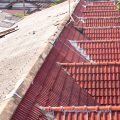
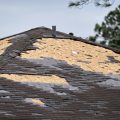
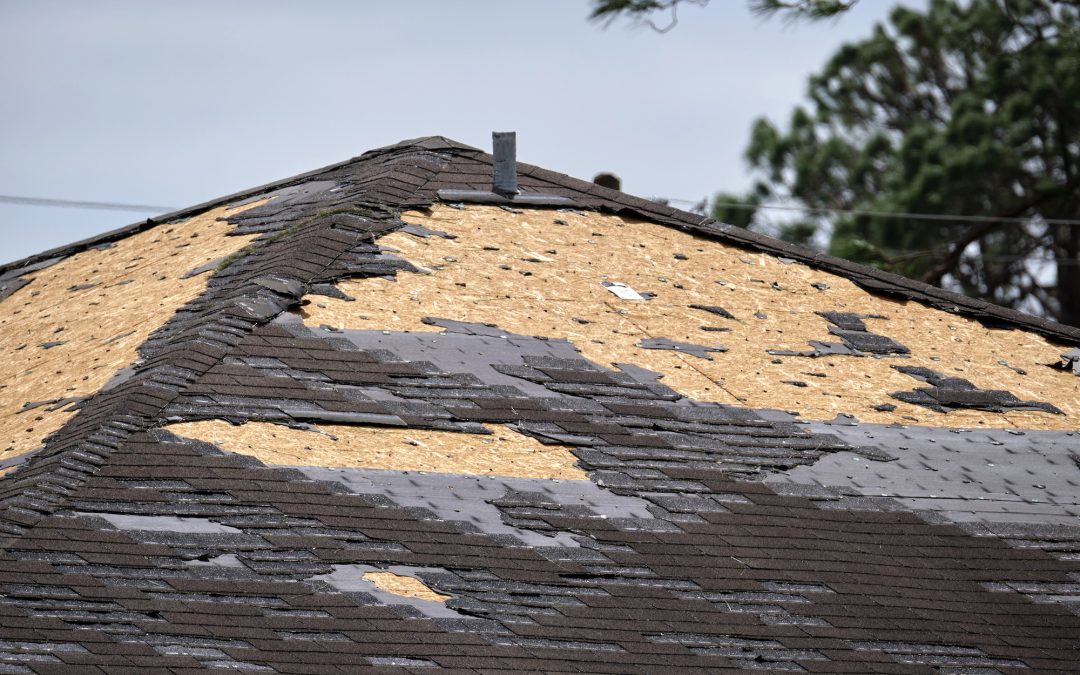
After a windy day or a hailstorm, it’s worth looking up. Cracked, broken or missing tiles leave your roof exposed, and it doesn’t take much for water to find a way in. If you’ve noticed a few tiles have shifted or come loose, it’s best to sort it before the next downpour.
Rust spots or minor corrosion (metal roofs)
Metal roofs are tough, but they’re not immune to rust. If you see reddish patches or flaking near screws, edges or joins, that’s surface rust setting in. Treated early, it can often be cleaned and sealed. If left to spread, it can weaken panels and lead to leaks.
Blocked or overflowing gutters
Gutters full of leaves and gunk can’t drain water properly. When water spills over the edge, it can soak into your fascia boards or even back up under the roofline. If your gutters overflow in heavy rain, or you’ve spotted plants starting to grow in them, it’s time for a clean, and possibly a closer look at the roof.
Loose or damaged flashings
Flashings are the thin bits of metal that seal off the tricky areas, like around chimneys, skylights and vents. If they’re bent, lifted or missing, water can slip through the gaps. Flashing problems are one of the most common causes of leaks that seem to come from nowhere.
Sagging areas or uneven rooflines
If parts of your roof look like they’re dipping or sloping more than they used to, it could point to water damage under the surface. A sagging section means something underneath has given way, usually timber that’s started to rot. This needs checking straight away.
Debris or plant growth on the roof
Branches, moss and even grass can trap moisture against your roofing material. Left alone, this dampness can start to break down tiles or speed up rust. If you see signs of growth on your roof, especially in shaded areas, it’s a good idea to have it cleared and inspected.
Repair or Replace? How to Decide
Not every roofing problem means you need to start from scratch. In many cases, a repair is all that’s needed to get your roof back into good condition. Other times, the damage is more widespread or the roof is nearing the end of its life, and a full replacement makes more sense.
Here’s a simple way to tell which path might be right for your home.
Repairs are often enough when you have:
- A small, localised leak
- Just a few cracked or missing tiles
- Minor rust patches that haven’t spread
- Flashings that have come loose or need resealing
These issues can usually be fixed quickly, especially if caught early. Acting at the first sign your roof needs repair can prevent more serious problems from developing.
Replacement might be the better option if:
- Your roof is over 20 years old, and leaks keep returning
- There’s widespread rust or corrosion across multiple panels
- You’ve noticed major sagging or signs of structural movement
In these cases, repairs may only delay the inevitable and could end up costing more in the long run. A full roof replacement can restore your home’s protection, improve insulation and avoid repeat callouts during storm season.
If you’re unsure, a licensed roof plumber can assess the condition and help you make the right call based on safety, cost and longevity.
Why Timely Action Matters
Roof problems don’t fix themselves. What starts as a minor leak or patch of rust can quickly turn into something far more serious, especially in Brisbane’s wet season. Acting early helps protect your home and avoids bigger repair bills down the track.
Prevent mould and water damage
A small leak can let in enough moisture to damage ceilings, insulation and timber. Damp areas also create the perfect conditions for mould, which can affect air quality and cause health issues if left untreated.
Avoid emergency callouts during storms
Trying to fix a roof in the middle of a storm is risky and expensive. Booking a repair when the weather is clear means the work can be done safely and properly. It also saves you from last-minute stress when heavy rain arrives.
Extend the life of your existing roof
Staying on top of small repairs helps your roof last longer. Fixing issues early keeps the structure strong and avoids the kind of damage that leads to a full replacement. Regular attention can add years to your roof’s lifespan.
What to Do If You Notice These Signs
If you’ve spotted any of the warning signs listed above, the best thing you can do is act quickly. Even a basic check can give you a clearer idea of what’s going on.
Start with a visual check
After the next bit of rain, take a walk around your home. Look up at the roofline for any sagging, missing tiles, rust patches or blocked gutters. Inside, check the ceilings for water stains or damp patches.
Take photos of anything unusual
If you notice cracked tiles, signs of water entry or plant growth, take a few clear photos. This can help you explain the problem and is also useful if you need to make an insurance claim later on.
Book a professional inspection
Getting expert advice early can save you from bigger roofing problems later. Contact Brisbane Plumbing and Drainage for a roof inspection. A professional can spot roof repair signs quickly, accurately diagnose the problem and recommend the right fix, all for a much smaller cost than replacing a roof. Getting onto leaking roof repairs in Brisbane as early as possible isn’t just about peace of mind for your roof, it’s about providing lasting protection for your entire home.